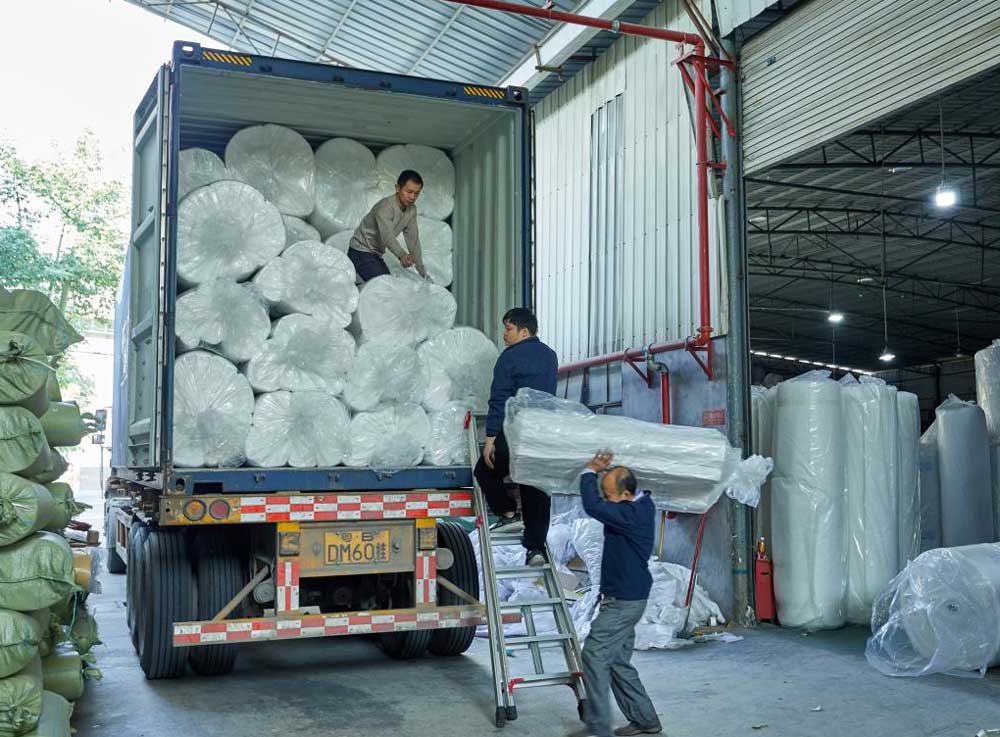
 LJF Air FILTER
Industrial Air Quality Context & Ecosystem in Lisbon
Lisbon, the historical capital of Portugal, has evolved into a key logistics, clean tech, pharmaceutical, and high-performance commercial real estate hub on the Atlantic coast of Europe. Operating industrial and commercial HVAC systems in this region poses distinct ecological and atmospheric challenges. Due to the proximity of the Atlantic Ocean, air filtration media in Lisbon must withstand high relative humidity without experiencing premature structural collapse or structural moisture saturation.
Furthermore, the Iberian Peninsula is repeatedly subjected to meteorological events known as "poeiras em suspensão"—Sahara desert dust intrusions that cross the Mediterranean. During these episodes, ambient particulate matter concentrations spike sharply. Standard air filtration systems face massive loading of coarse dust particles. Choosing the correct synthetic pre-filter media (G3, G4, and M5 classes) is critical to preserving the operational life of highly sensitive downstream HEPA filters in pharmaceutical labs, commercial offices, and food processing facilities across Lisbon, Almada, and Sintra.
Global Macro Trends in Air Filtration Media (ISO 16890 Compliance)
The global air filtration sector has experienced a profound paradigm shift since the transition from the old EN 779:2012 test standard to the modern ISO 16890 framework. This global benchmark categorizes filter media based on their fractional filtration efficiency against three particle size fractions: PM10, PM2.5, and PM1.
- ISO Coarse: Filters that arrest less than 50% of PM10 particles. These serve predominantly as primary barriers, shielding subsequent filtration stages from rapid loading.
- ISO ePM10 & ePM2.5: Crucial for urban commercial centers, capturing particulate soot, pollen, and airborne atmospheric debris.
- ISO ePM1.0: Highly critical for ultra-pure cleanroom environments, semiconductor assembly zones, and pharmaceutical facilities. The goal is to filter sub-micron viruses, oil fumes, and fine aerosols.
Modern material science focuses heavily on the development of low-pressure-drop, highly electrostatically charged synthetic fibers. Reducing the airflow resistance of filter media translates directly to reduced mechanical work for fan blowers, representing a major milestone in industrial energy-efficiency and carbon-reduction programs.
Technical Deep-Dive: Material Composition & Static Charge Enhancement
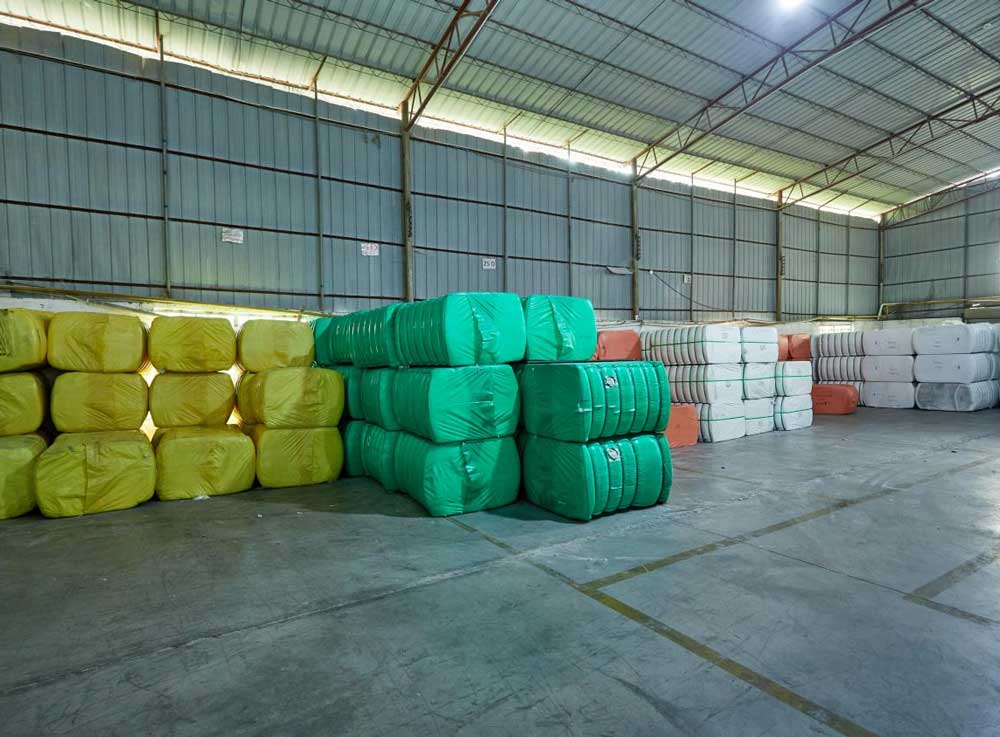
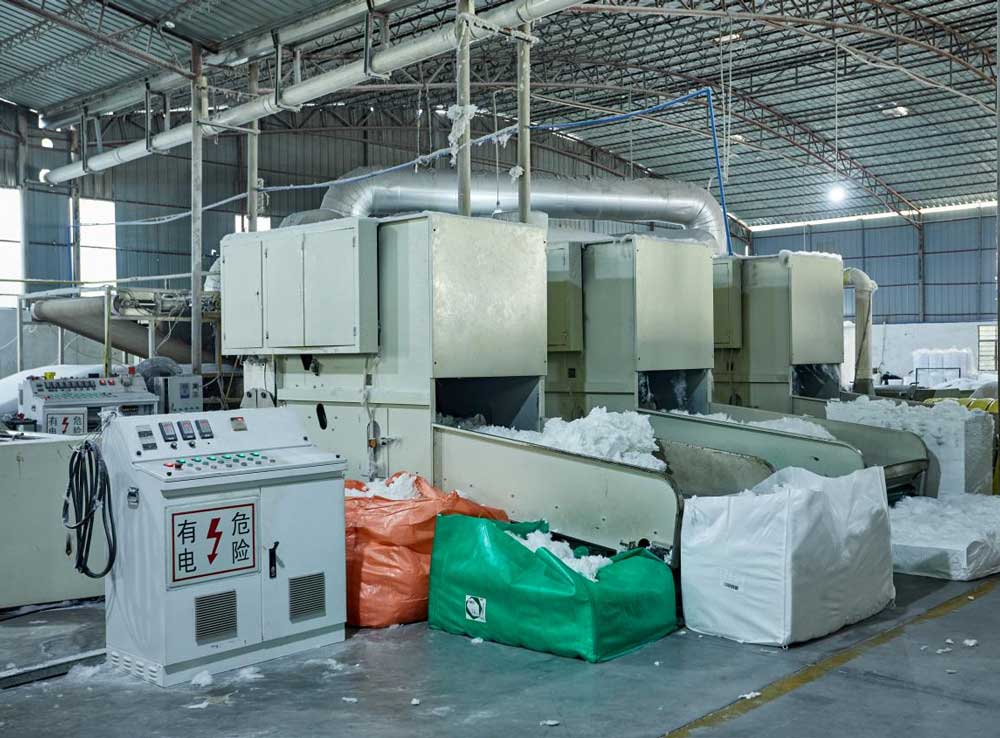
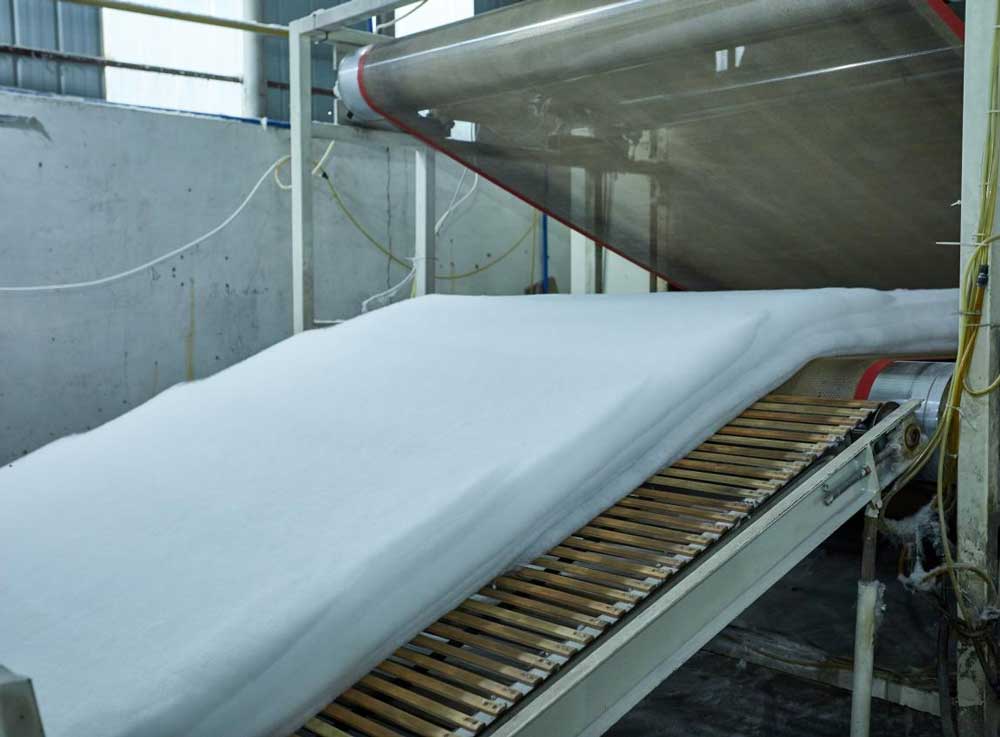
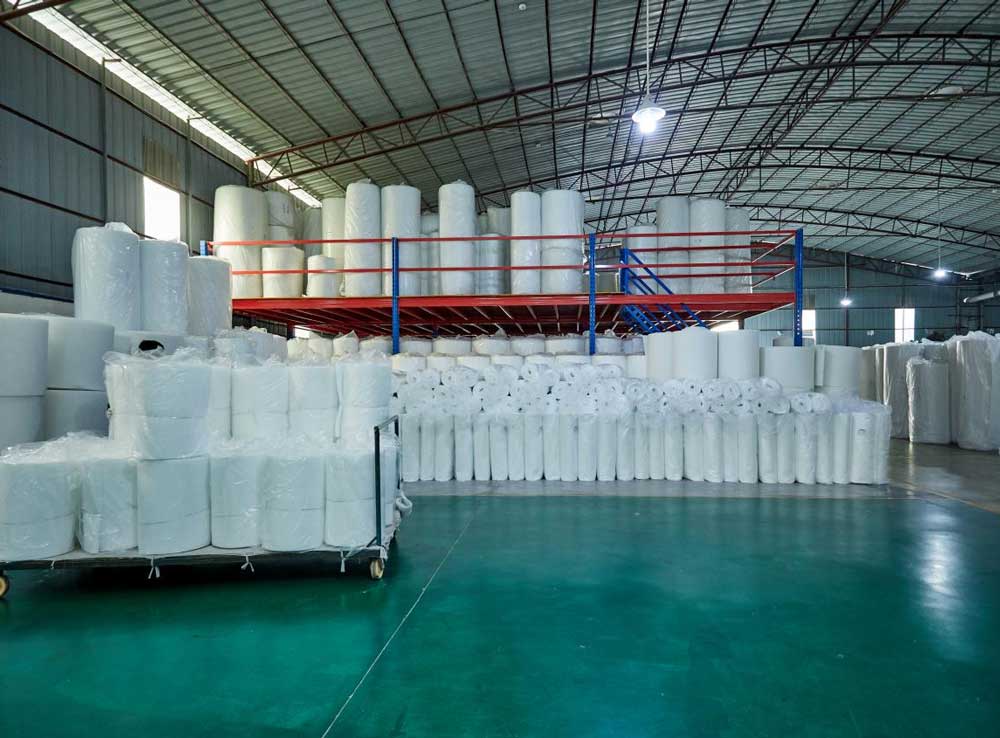
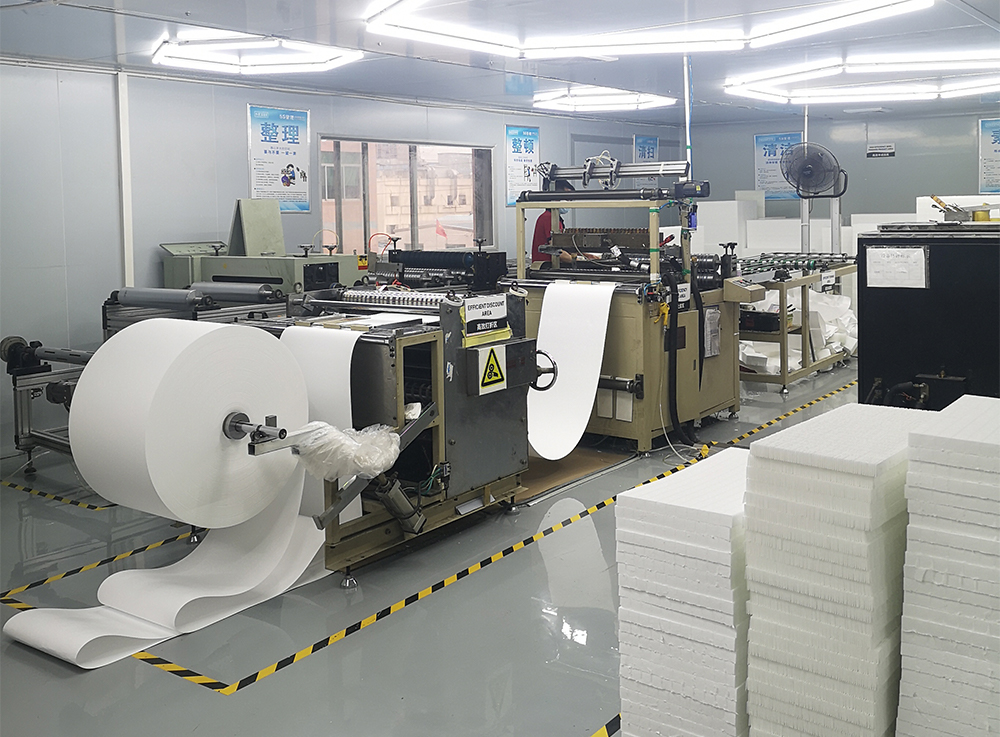
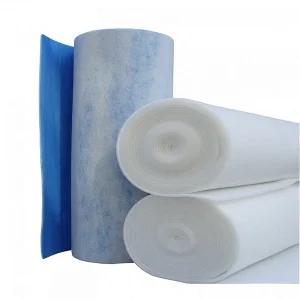
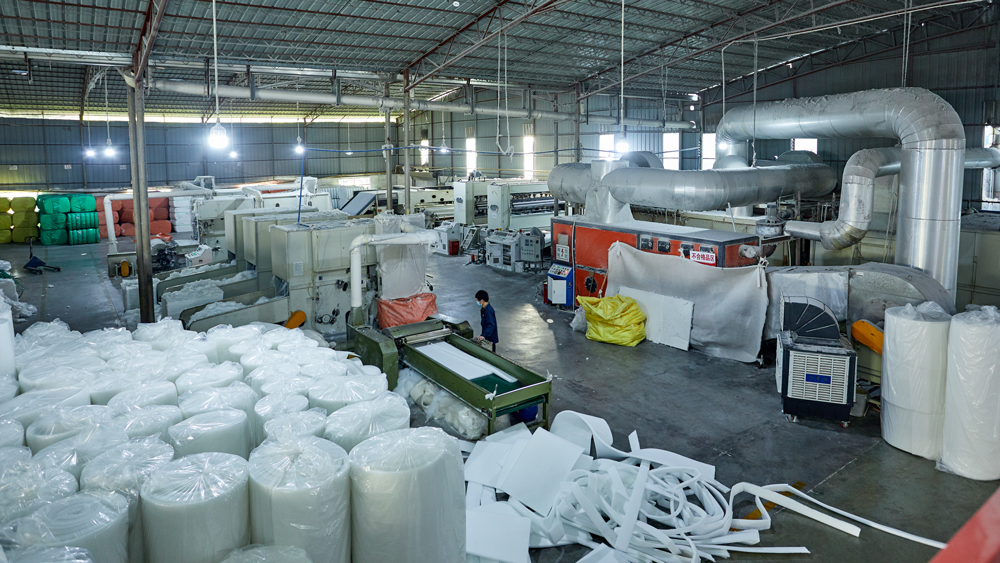
The filtration efficiency of synthetic nonwoven media is governed by mechanical collection mechanisms—namely inertial impaction, interception, and diffusion—augmented by electrostatic attraction. At Guangzhou LJF, our progressive-density synthetic filter media is engineered using premium polyester and polyolefin fibers, thermally bonded to prevent fiber shedding.
By applying high-voltage corona discharge treatment during the meltblown process, we introduce a stable electrostatic charge (electret properties) to the microfibers. This charge allows the media to capture sub-micron particles with minimal mechanical density, maintaining a low pressure drop and high dust holding capacity (DHC). This balanced formulation ensures that Lisbon’s industrial operators achieve optimum clean air delivery rates (CADR) without inflating their electricity overheads.
Lisbon Localized Application Scenarios
1. Pharmaceutical Hubs in Sintra & Oeiras
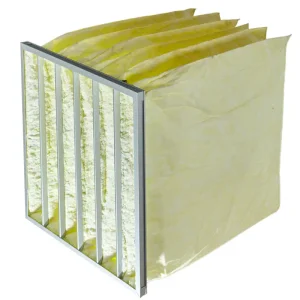
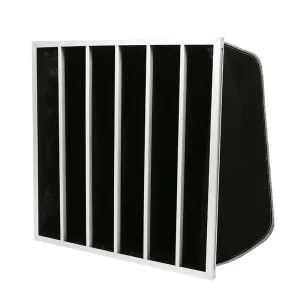
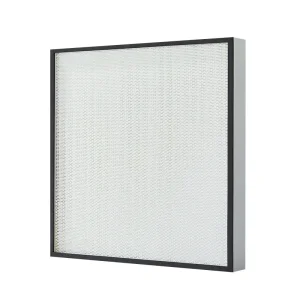
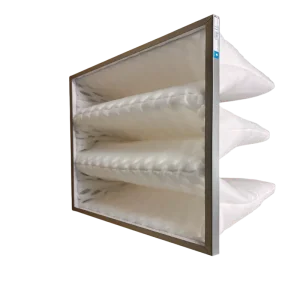
The pharmaceutical clusters in Oeiras and Sintra demand continuous, high-efficiency particle arrestance to prevent cross-contamination in research laboratories and manufacturing areas. Here, LJF H13 Mini-Pleated HEPA filters and fiberglass pocket pre-filters are integrated into primary air handling units (AHUs) to maintain compliance with EU Good Manufacturing Practice (GMP) guidelines.
2. Automotive Manufacturing & Refinishing (Palmela Supply Chain)
The large automotive cluster located south of the Tagus River depends heavily on immaculate paint finish quality. For automotive spray booths, even a micro-particle (10μm) can ruin a coating layer. Our Premium 600G Spray Booth Ceiling Filters are deployed to provide laminar airflow distribution and capture fine airborne paint mists, preventing overspray contamination and ensuring pristine surface finishing.
3. Commercial HVAC and Historical Property Renovation
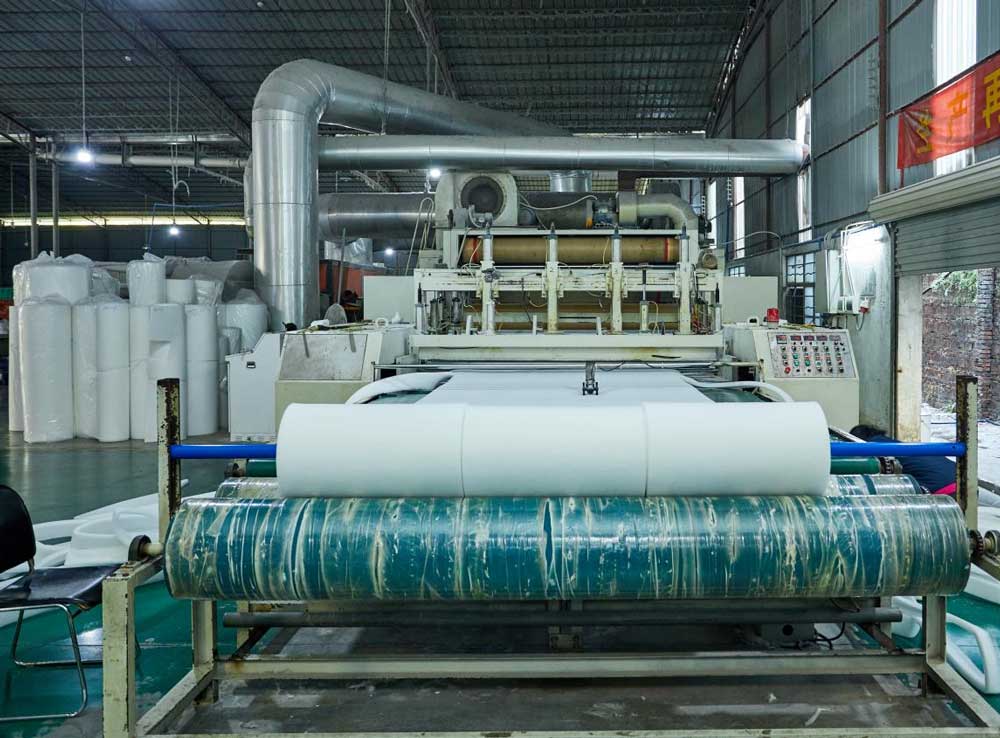
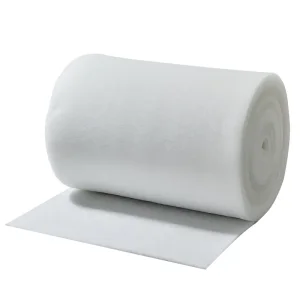
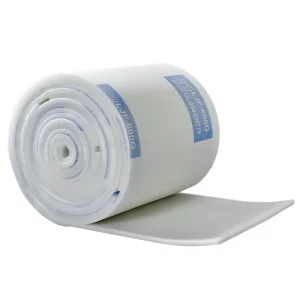
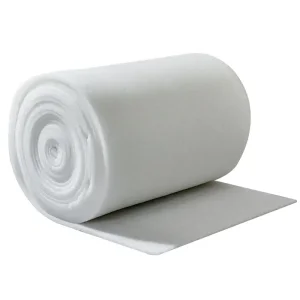
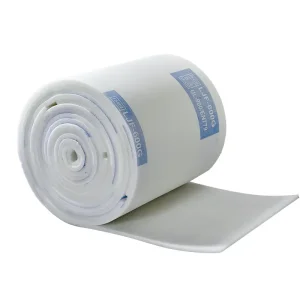
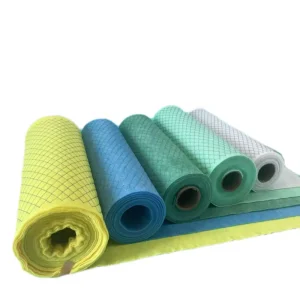
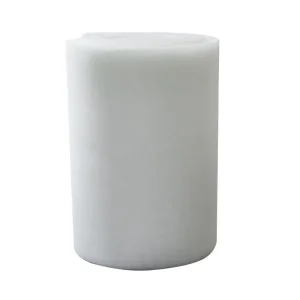
Lisbon’s historic core requires delicate integration of compact ventilation setups. Retrospective installation of HVAC systems in converted heritage hotels and corporate office complexes relies on G3 and G4 laminated filter media rolls, allowing high air volume processing in tight space configurations.