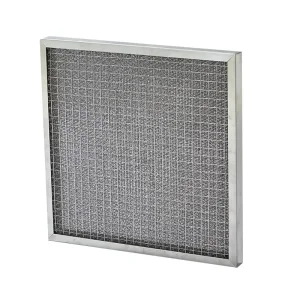
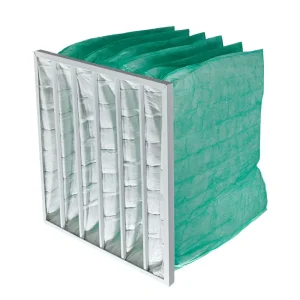
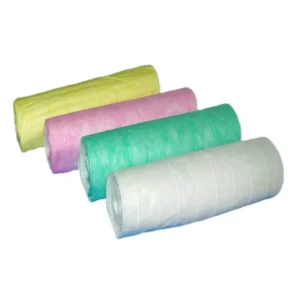
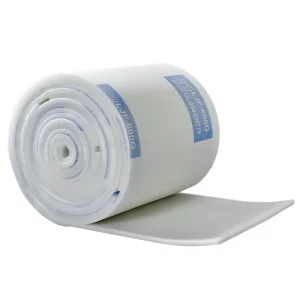
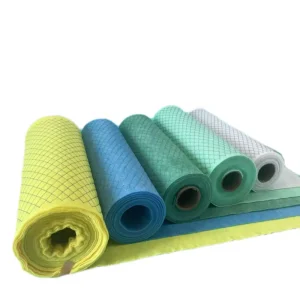
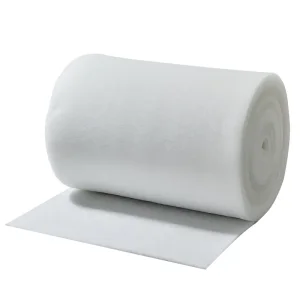
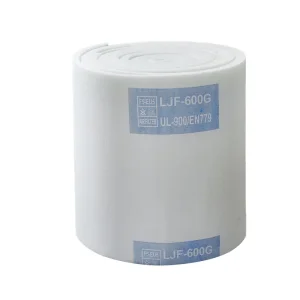
Explore our extensive range of high-efficiency filtration units and media rolls, fabricated with precision to optimize your indoor air quality and protect sensitive technological processes.
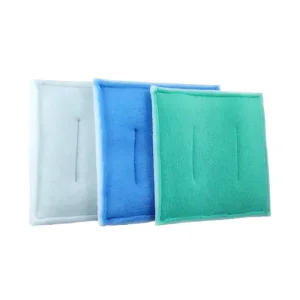
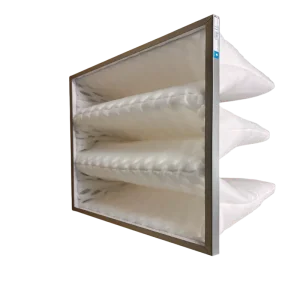
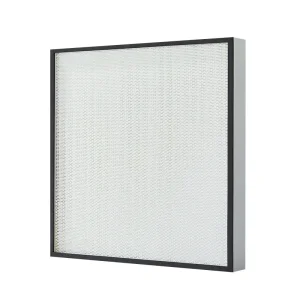
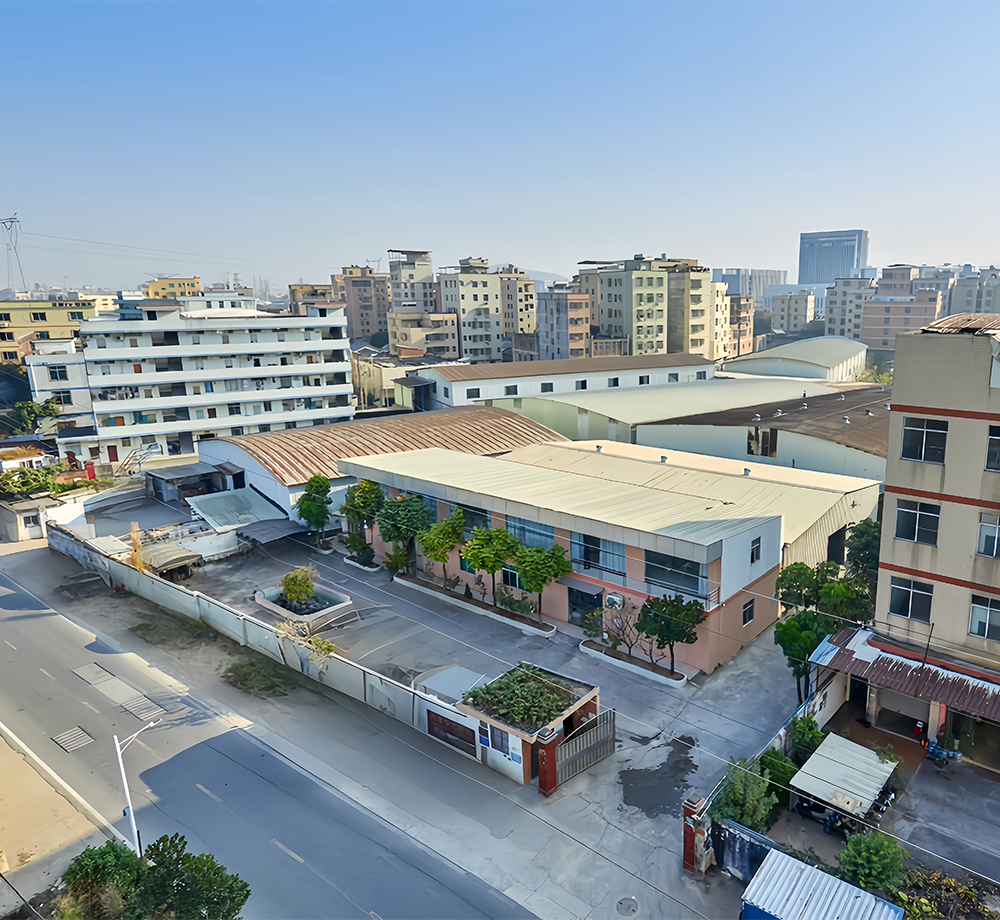
Strategically situated in Guangzhou, southern China, and located a mere 10 kilometers from Guangzhou Baiyun International Airport, Guangzhou LJF Air Purification Equipment Co., Ltd. is a fast-growing, globally recognized manufacturer and exporter of state-of-the-art cleanroom and HVAC filtration solutions. Our unique geographical alignment streamlines domestic sourcing and facilitates high-speed, direct international shipping to global commercial hubs.
Over the years, we have built strong, collaborative partnerships with more than 100 enterprise clients across 30+ countries. Guangzhou LJF has emerged as a premier manufacturer of custom-tailored air filters. Our product portfolio is engineered specifically to address the rigorous regulations of high-precision cleanroom installations, pharmaceutical laboratories, semiconductor wafer processing zones, automotive coating lines, food processing spaces, and hospital environments.
Our commitment to excellence and scientific quality control serves as the foundation of our success. By integrating advanced production machinery with raw-material sourcing advantages, we provide cost-effective cleanroom filtration structures without ever compromising on safety, efficiency, or operational lifecycle.
An in-depth analysis of the evolving technological standards, sustainability requirements, and economic factors influencing global air filtration procurement.
The cleanroom technology market is undergoing a structural transition driven by the microelectronics industry and pharmaceutical manufacturing. As modern microchips drop to sub-2nm node levels and cellular biotherapies demand absolute containment, cleanrooms must achieve near-zero particle contamination states. Traditional glass-microfiber filters are increasingly giving way to membrane-based filtration materials such as expanded polytetrafluoroethylene (ePTFE). These advanced materials yield lower initial resistance, negligible chemical outgassing, and improved mechanical durability against cleanroom disinfection procedures.
Simultaneously, the global push toward carbon neutrality is forcing HVAC systems to operate with lower power footprints. Advanced cleanroom filters are now designed with fluidic-dynamically optimized pleat configurations. By maximizing effective media surface area and stabilizing pressure drops, cleanroom facilities can reduce their Fan Filter Unit (FFU) power draw by up to 30%, satisfying environmental mandates while achieving ISO Class 1 to Class 9 compliance levels.
Recent research indicates that up to 65% of a cleanroom's life-cycle carbon footprint stems from HVAC fan power consumption. Choosing filters with optimized geometry and low-resistance media directly offsets HVAC operational costs while maintaining necessary air change rates.
For B2B procurement directors, engineering firms, and cleanroom managers, selecting the right air filter manufacturer requires evaluating more than just the initial price tag. Modern procurement relies heavily on verifiable quality standard certifications (such as EN 1822:2019 and ISO 29463) to guarantee that particulate filtration efficiencies are fully met. A single HEPA filter bypass leak can compromise entire silicon wafer batches or ruin sensitive clinical trials, making reliable Quality Assurance (QA) protocols mandatory.
Beyond certifications, the Total Cost of Ownership (TCO) is the standard metric for supply chain evaluations. TCO calculation metrics must include: initial media cost, filter shipping weights (which impact international logistics rates), dust-holding capacity, average life expectancy under dynamic pressure, and labor replacement frequency. Sourcing customized filters that drop directly into legacy HVAC plenums without modifications reduces maintenance downtime and configuration costs.
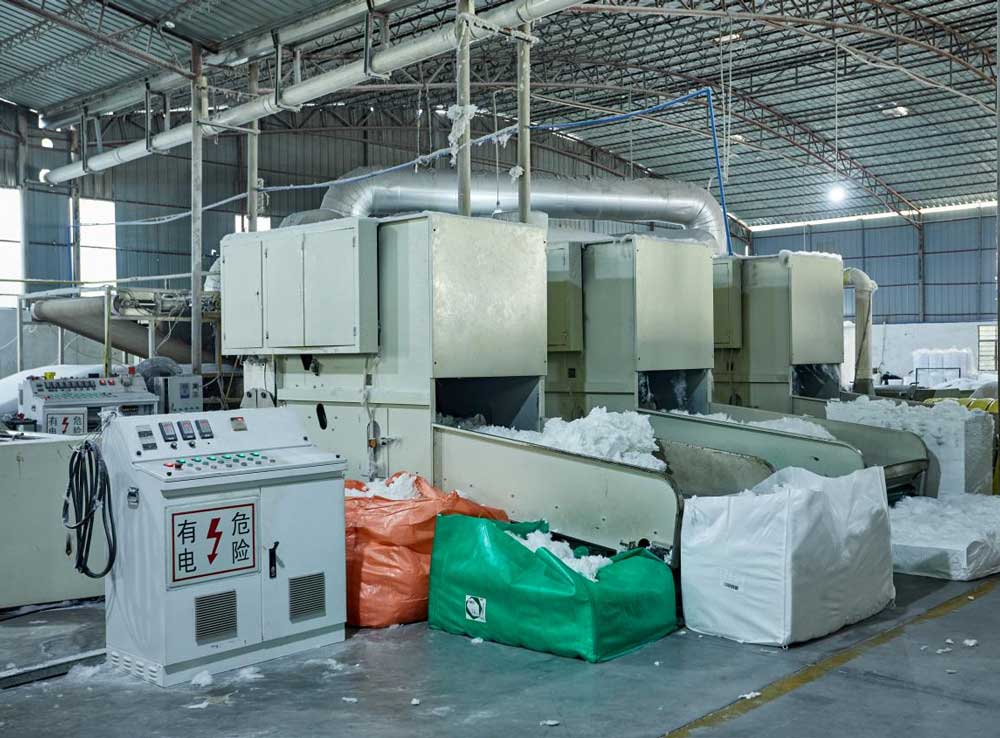
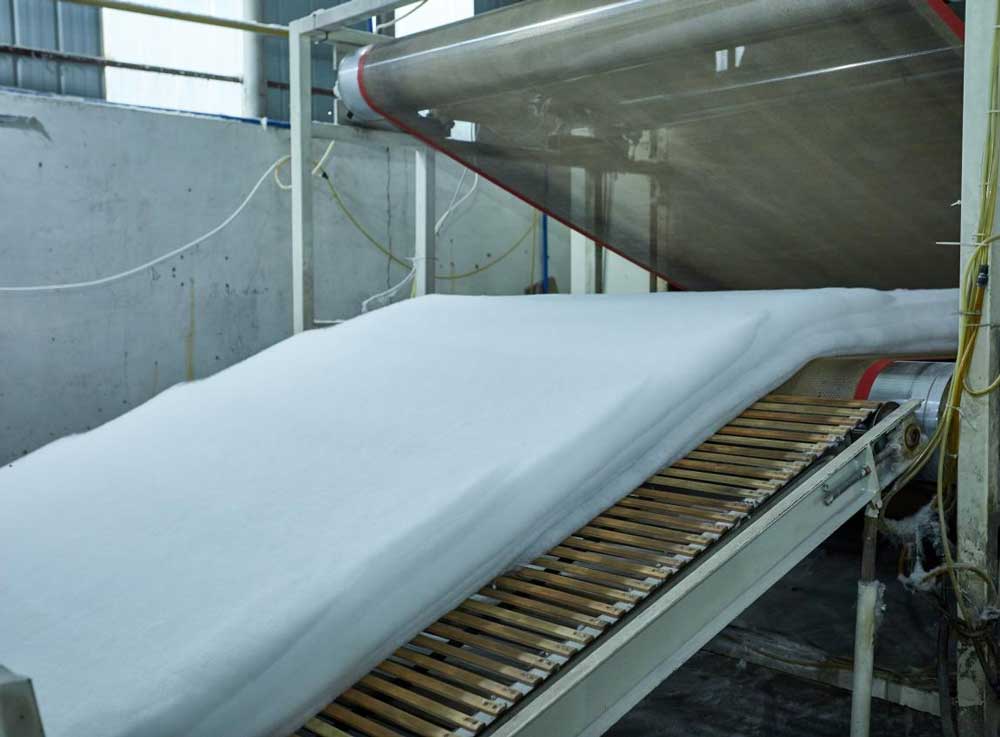
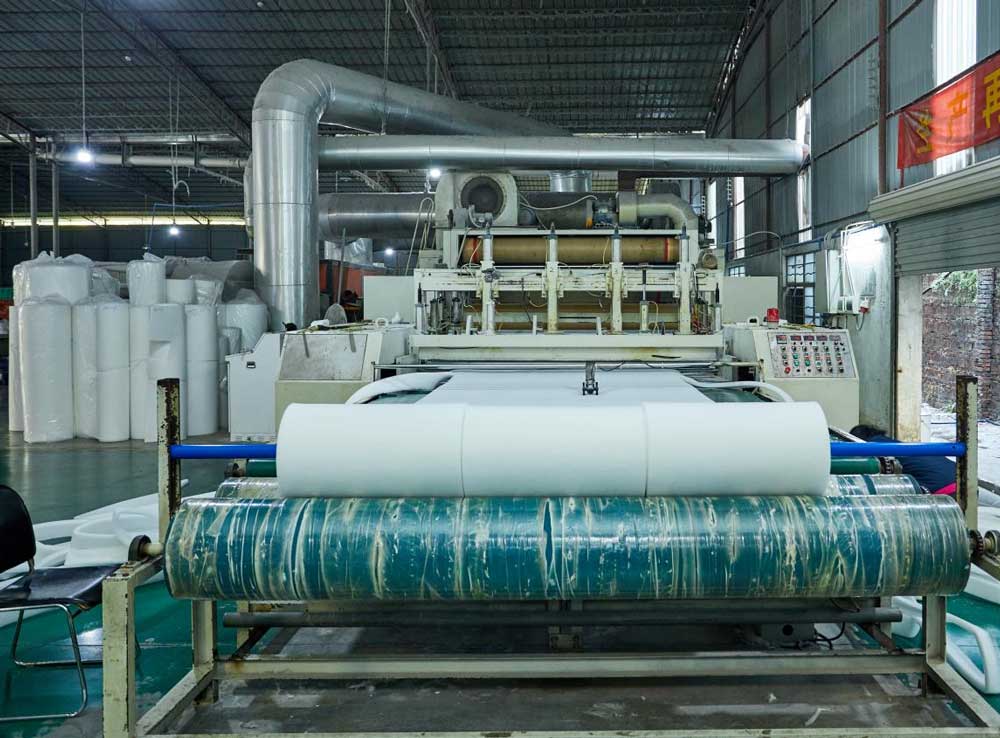
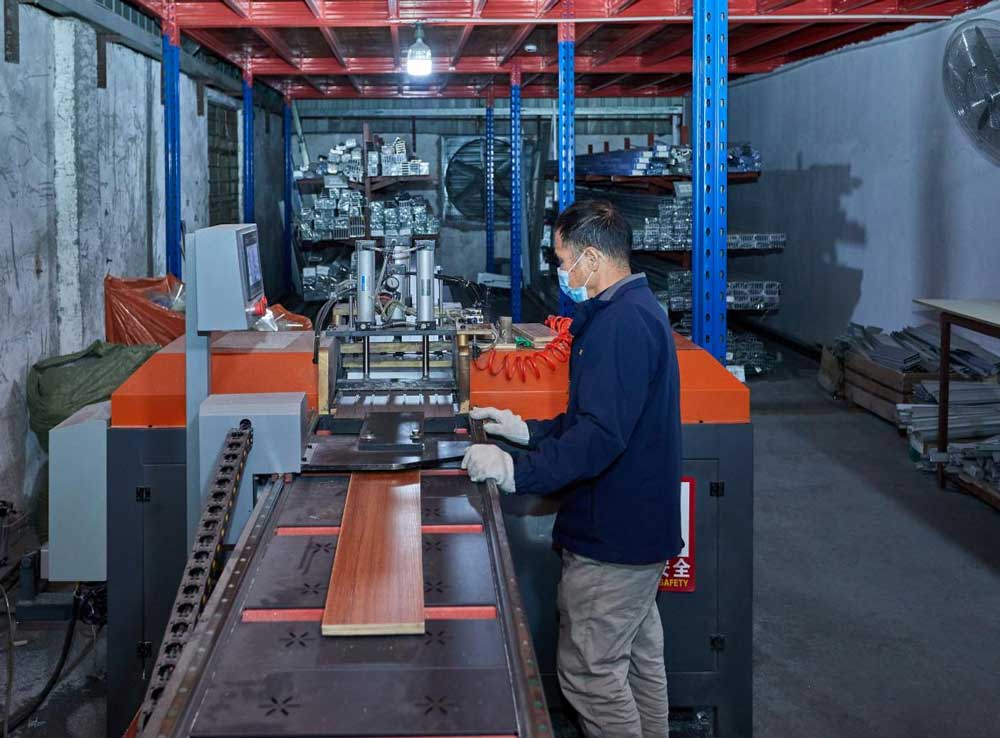
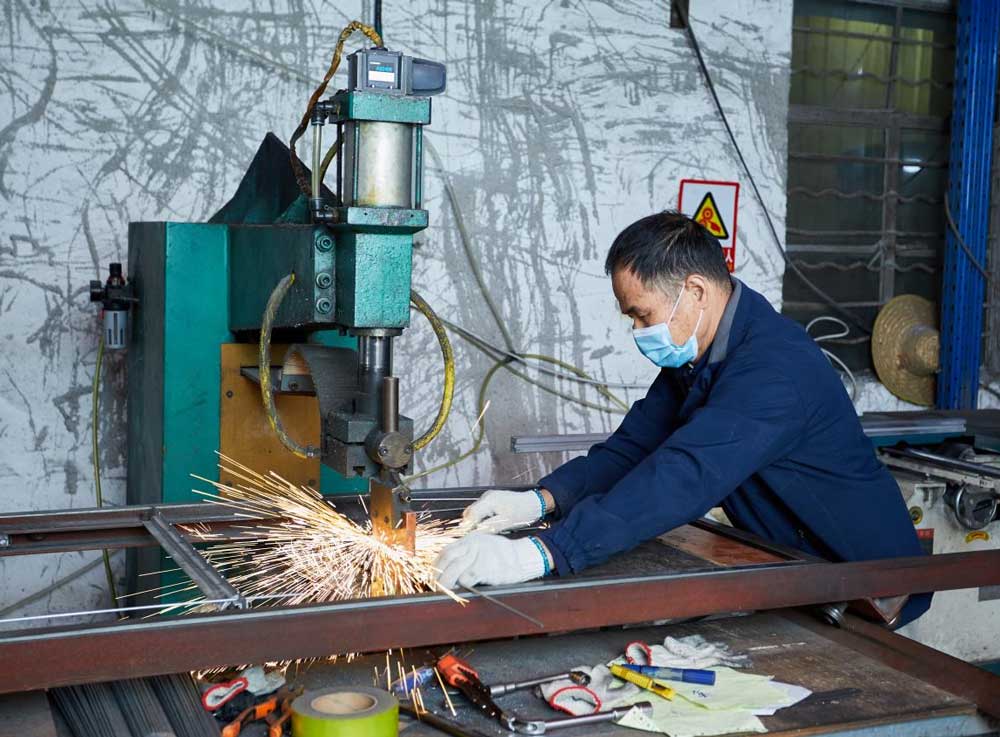
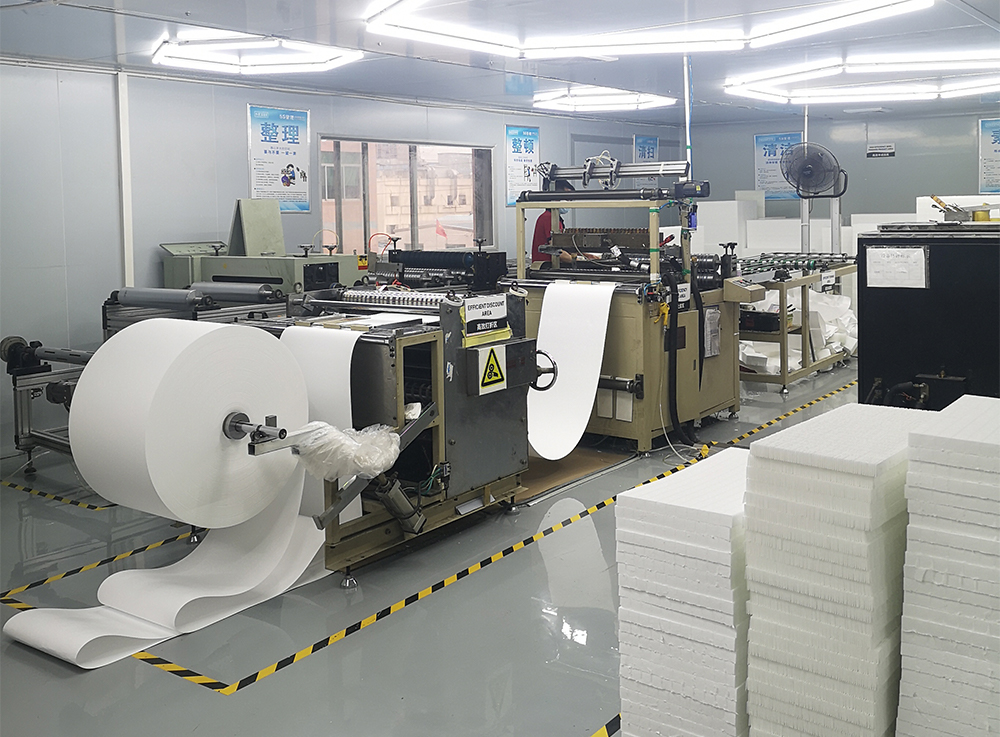
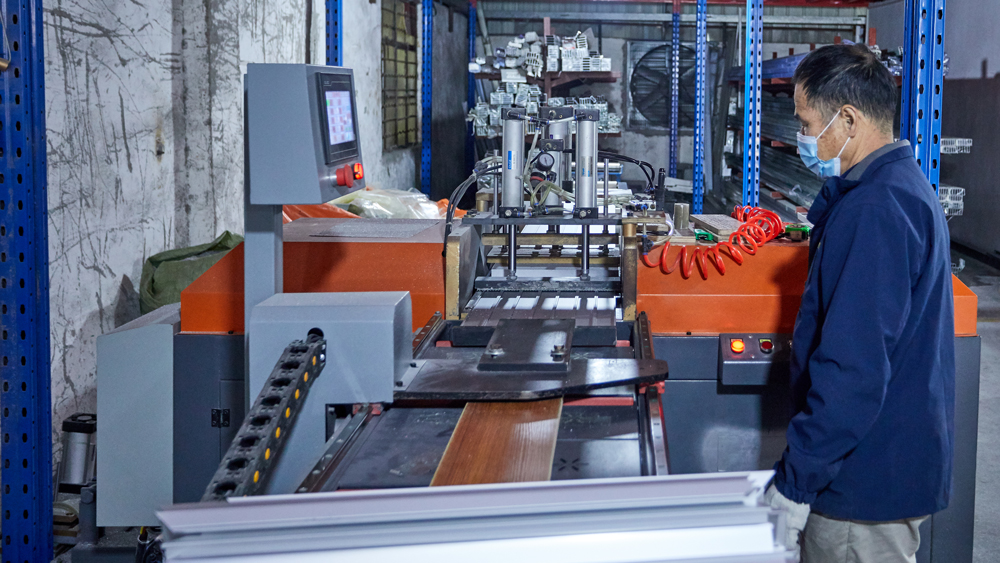
Guangzhou LJF combines advanced localized material suppliers with highly automated production processes. By adopting "Industry 4.0" manufacturing models, we utilize automated computer-controlled pocket forming systems, robotic high-precision pleating machines, and digital ultrasonic welding rigs. Automated fabrication ensures consistent pleat spacing and eliminates manual gluing variables, which are the leading cause of pinhole bypass leaks in cheaper alternatives.
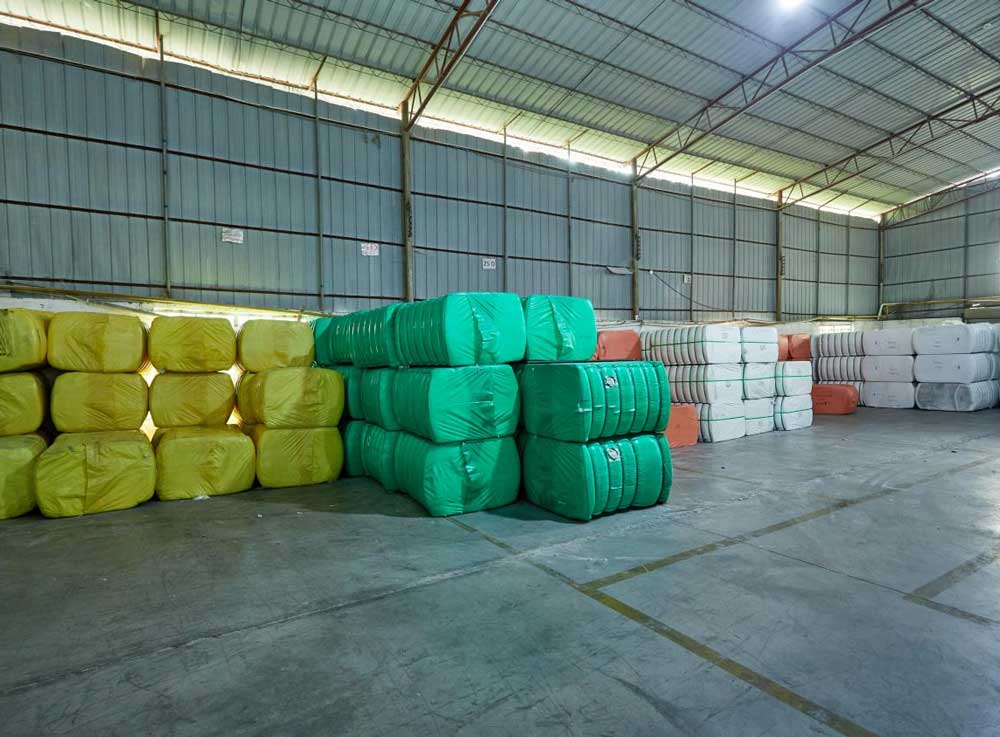
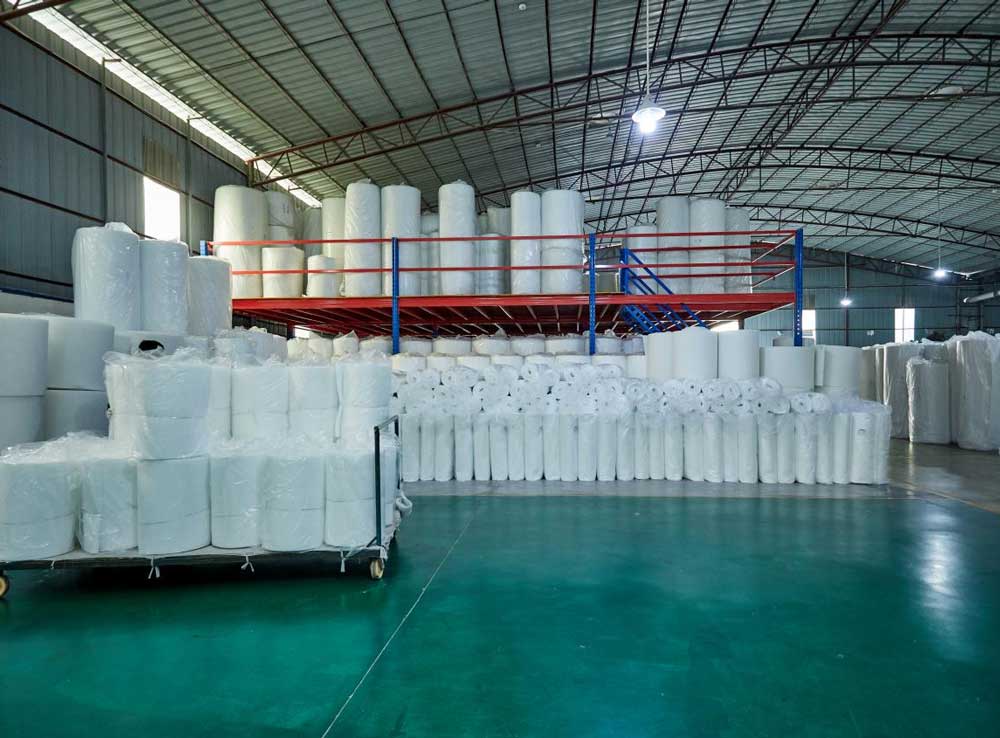
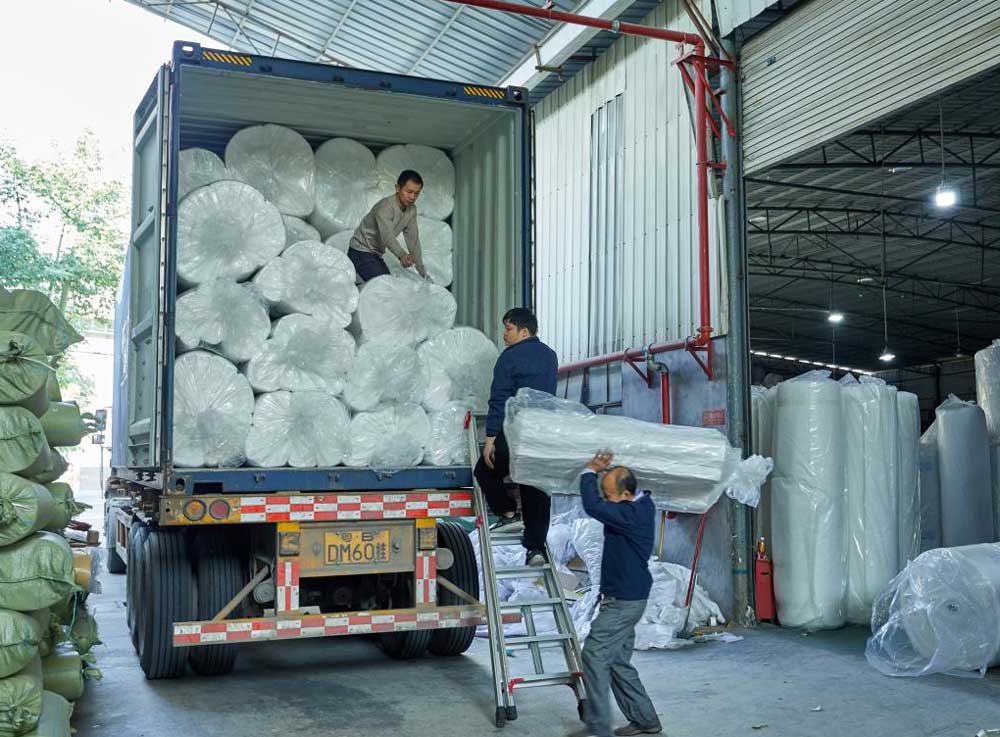
Furthermore, our geographic position in southern China's industrial zone provides raw material sourcing stability. This proximity allows us to buffer global supply chains against shipping delays or regional price spikes. Our close proximity to the Guangzhou Nansha Port and Baiyun International Airport ensures that heavy volume shipments or urgent replenishment filters can be dispatched via air or sea freight quickly, helping our global B2B clients maintain lean inventory levels.
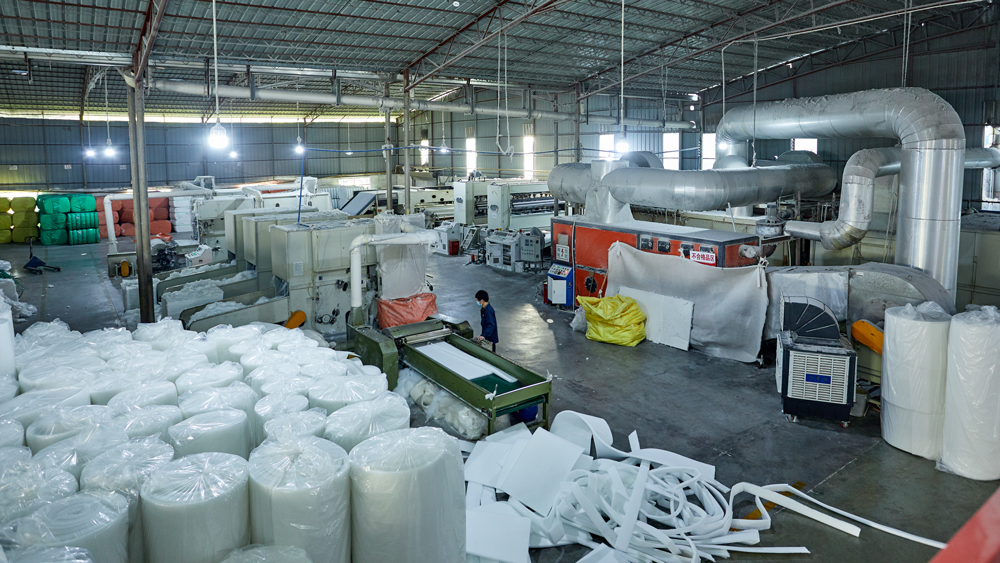
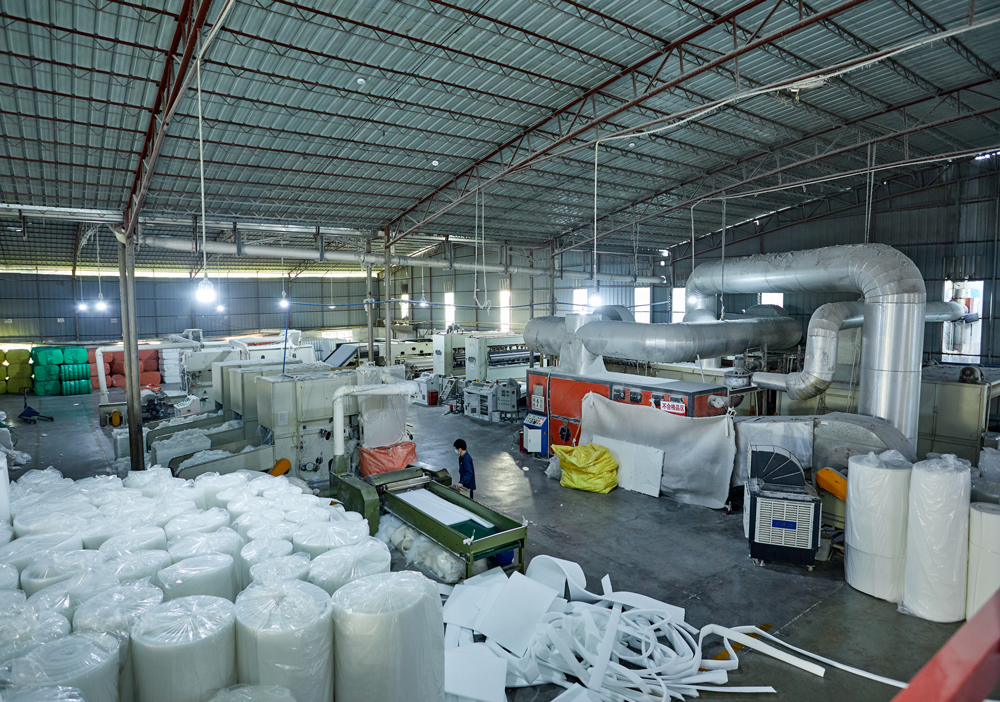
Inside the Guangzhou LJF facility: See our step-by-step processes designed to ensure compliance, mechanical integrity, and precise cleanroom filtration.
Adapting our high-performance filtration solutions to meet the regional regulations and technical requirements of key markets.
In highly regulated markets like Europe and North America, filtration installations must comply with strict criteria. Food safety initiatives and the strict EU GMP Annex 1 revisions for sterile medicinal products require cleanroom environments to maintain validated particle concentrations under both static and dynamic operating conditions.
Our H13 and H14 HEPA filters undergo dynamic challenge leak tests (using PAO/DEHS aerosols) to verify zero bypass risk. Furthermore, energy-conscious building designs in the US and EU require HVAC pre-filters and pocket filters to maintain low initial resistance, which lowers operational costs and supports LEED certifications.
The concentration of advanced semiconductor manufacturing foundries and liquid crystal display (LCD) assembly plants in Taiwan, Japan, South Korea, and Southeast Asia requires large volumes of micro-contamination filters. Wafer defect rates are highly sensitive to Airborne Molecular Contamination (AMC) and sub-micron particulates.
Guangzhou LJF supplies premium mini-pleated HEPA and ULPA filtration modules tailored for standard Fan Filter Units (FFUs). These filters feature non-outgassing polyurethane sealants and anodized aluminum frames, designed to protect micro-lithography and automated chip-packaging lines from volatile chemical outgassing.
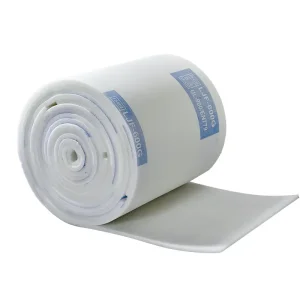
For industrial coating operations, automotive paint lines require silicone-free air filters. Guangzhou LJF ensures all paint-booth intake media (including LJF-600G) is manufactured without plasticizers, wetting agents, or silicone residues. This prevents finish craters and surface adhesion failures on painted components.
Combining competitive factory pricing, custom sizing, and verified quality control to support global B2B cleanroom projects.
Our high-efficiency filters are designed to capture microscopic pollutants, maintain clean environments, and improve the energy efficiency of complex air handling systems. By utilizing raw materials sourced from reliable suppliers, we ensure our products provide consistent dust-loading performance.
As a vertically integrated manufacturer, Guangzhou LJF bypasses trading agents to offer competitive pricing on bulk production. This cost-efficiency allows HVAC contractors, cleanroom builders, and facility managers to reduce their regular maintenance expenses without compromising on quality.
Cleanroom configurations often feature non-standard dimensions. Guangzhou LJF specializes in engineering custom sizes, pleat depths, frame materials (aluminum, galvanized steel, wood, plastic), and gaskets (polyurethane, neoprene) to fit legacy air handler units (AHUs).
We believe our growth is closely tied to our clients' success. Sourcing cleanroom-grade filtration is a technical process that requires active engineering support. That is why Guangzhou LJF offers end-to-end consulting, assisting in filter grade selection, mechanical drawings, and shipping logistics.
Our engineering support team collaborates with client designers to specify appropriate filter classes (G3 to U16) and prevent over-specification, saving unnecessary HVAC energy and material costs.
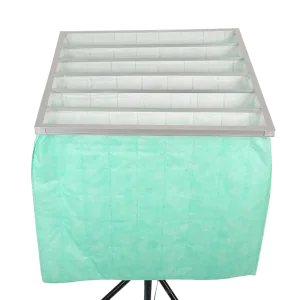
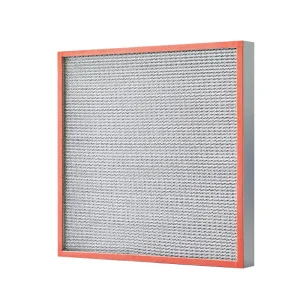
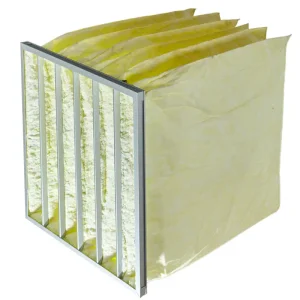
Whether you require standard high-volume pocket filters or custom high-temperature HEPA filters for sterilization tunnels, we handle designs tailored to your application's physical parameters.
By offering reliable filter lifespans, verified test reports, and consistent delivery times, we help HVAC distributors and cleanroom installers build long-term relationships with end users.
We manufacture and export high-performance filtration products used in challenging commercial and industrial environments.





Get answers to common technical, logistics, and sizing questions from Guangzhou LJF's engineering division.
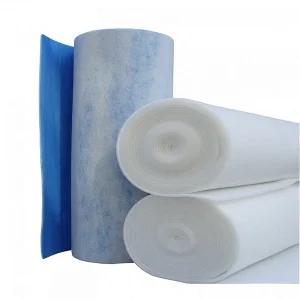
Explore our secondary catalog of HVAC pre-filters, high-temperature HEPA filters, and pocket filter media rolls. Request a factory-direct quote today.
 LJF Air FILTER