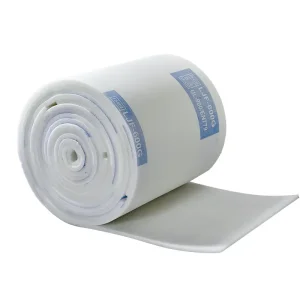
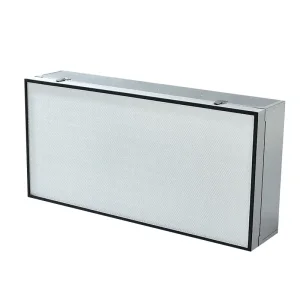
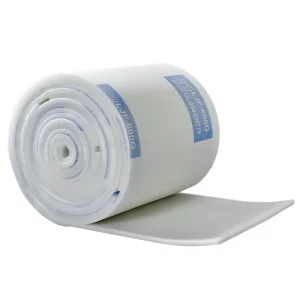
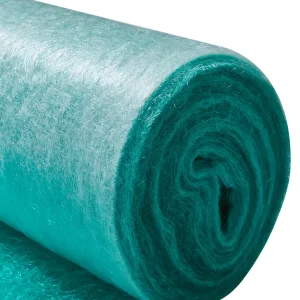
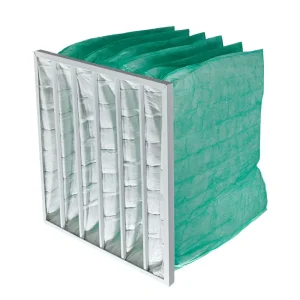
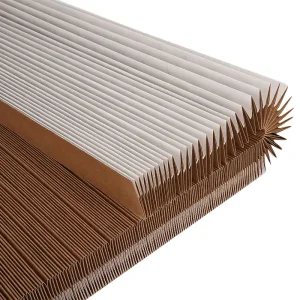
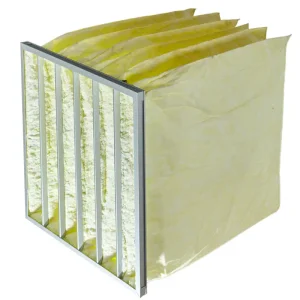
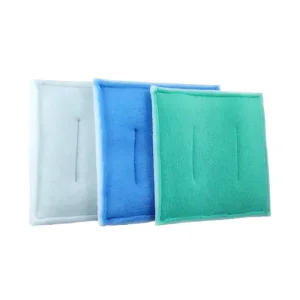
In the contemporary industrial landscape, the quest for sub-micron particle control has moved from a luxury to a fundamental necessity. Microfiber filtration technology represents the pinnacle of this evolution. Unlike traditional coarse fibers, microfibers—often composed of melt-blown polypropylene or advanced fiberglass—provide a significantly higher surface area-to-volume ratio. This physical advantage allows for enhanced Brownian diffusion and electrostatic interception, ensuring that even the most elusive particles (0.3 microns and smaller) are captured with over 99.99% efficiency in HEPA-grade applications.
When procurement officers search for "Microfiber Filter Quotes," they aren't just looking for a price; they are seeking Total Cost of Ownership (TCO) data. Modern filters must balance Initial Pressure Drop against Dust Holding Capacity (DHC). A filter with a higher initial cost but a 30% longer service life provides a massive ROI by reducing HVAC energy consumption and labor costs associated with frequent replacements.
Global enterprises, particularly in the semiconductor, biopharmaceutical, and aerospace sectors, are increasingly demanding localized application scenarios. For instance, a cleanroom in the humid climate of Southeast Asia requires different antimicrobial microfiber treatments compared to a dry-climate paint booth in Northern Europe. At Guangzhou LJF Air Purification Equipment Co., Ltd., we bridge this gap by integrating Industry 4.0 manufacturing precision with deep material science expertise.
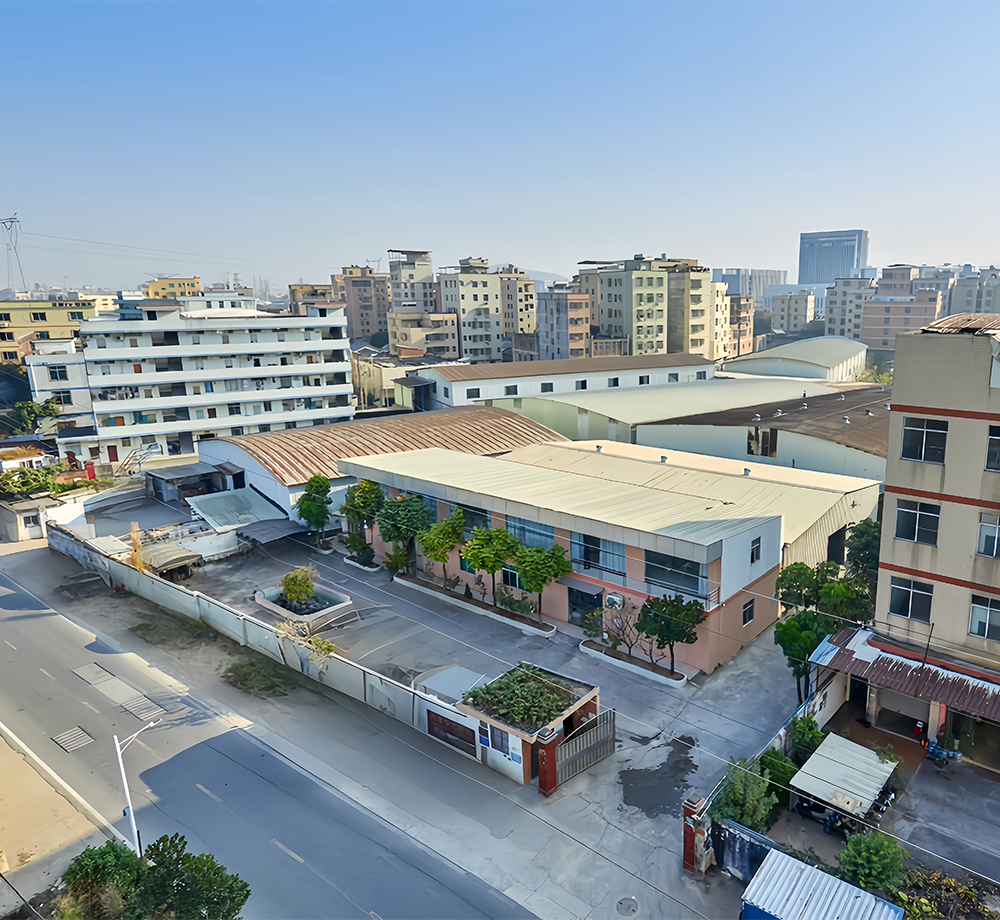
Located just 10km from Guangzhou Baiyun Airport, we provide unparalleled logistics speed. Our 10+ years of experience translate into a supply chain that never sleeps.
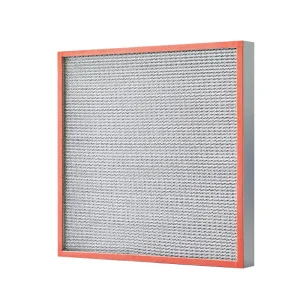
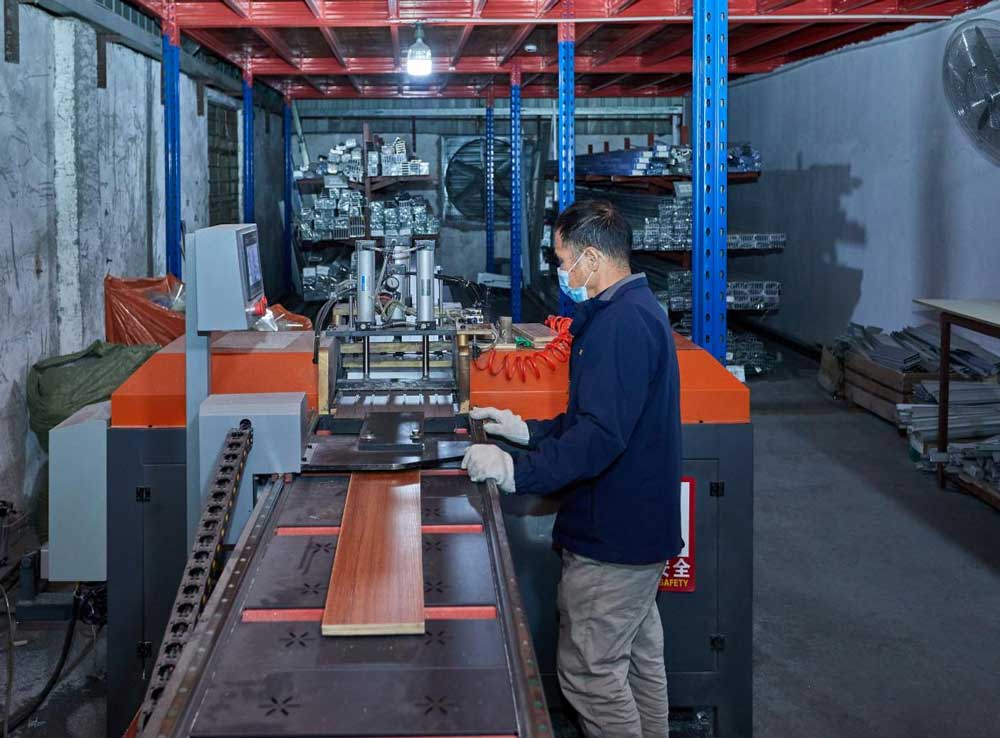
Our production line utilizes automated hardware processing and precision electric welding to ensure structural integrity and zero-leakage performance in every HEPA unit.
Serving over 30 countries and 100+ major brands, we understand the regulatory requirements of different regions, including CE, ISO, and EN779/ISO 16890 standards.
How we ensure the highest E-E-A-T standards in our production facility.
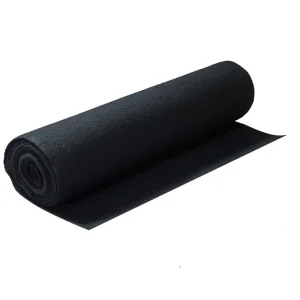
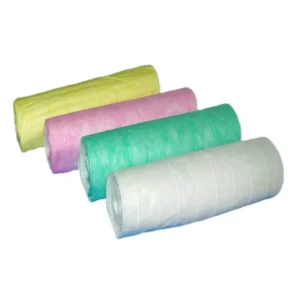
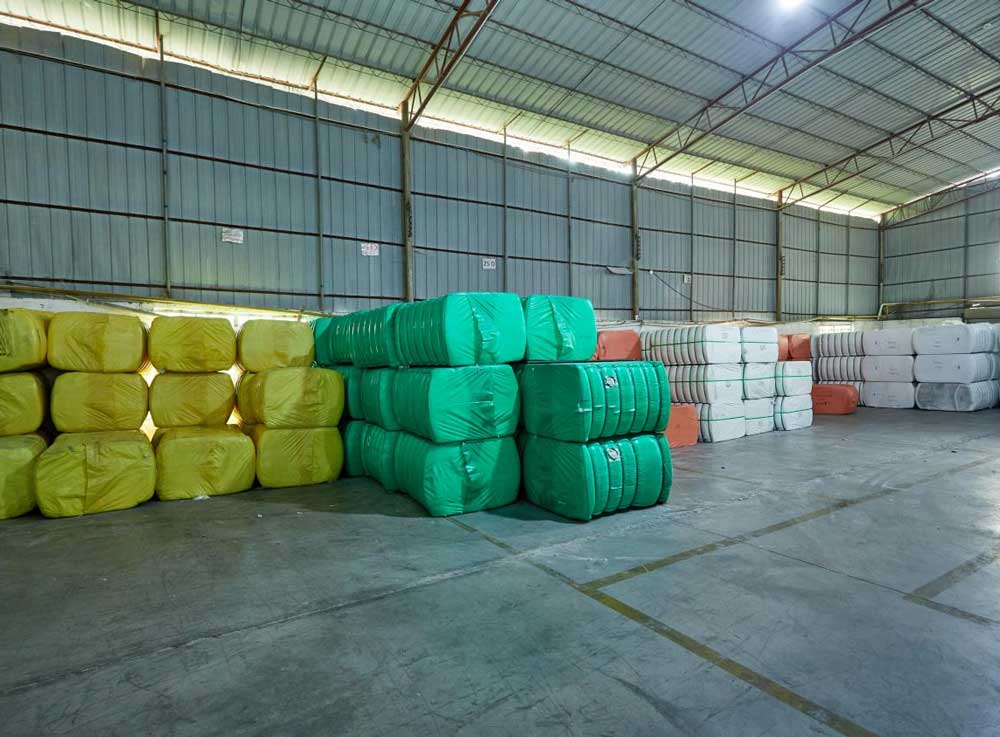
Sourcing high-grade synthetic non-wovens and microfiber glass to ensure consistent filtration efficiency across all batches.
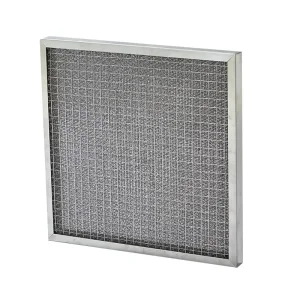
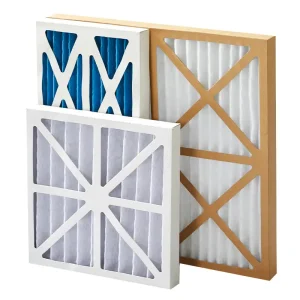
Utilizing galvanized or aluminum frames with precision CNC cutting to guarantee fitment in existing HVAC and FFU systems.
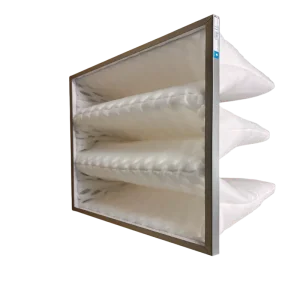
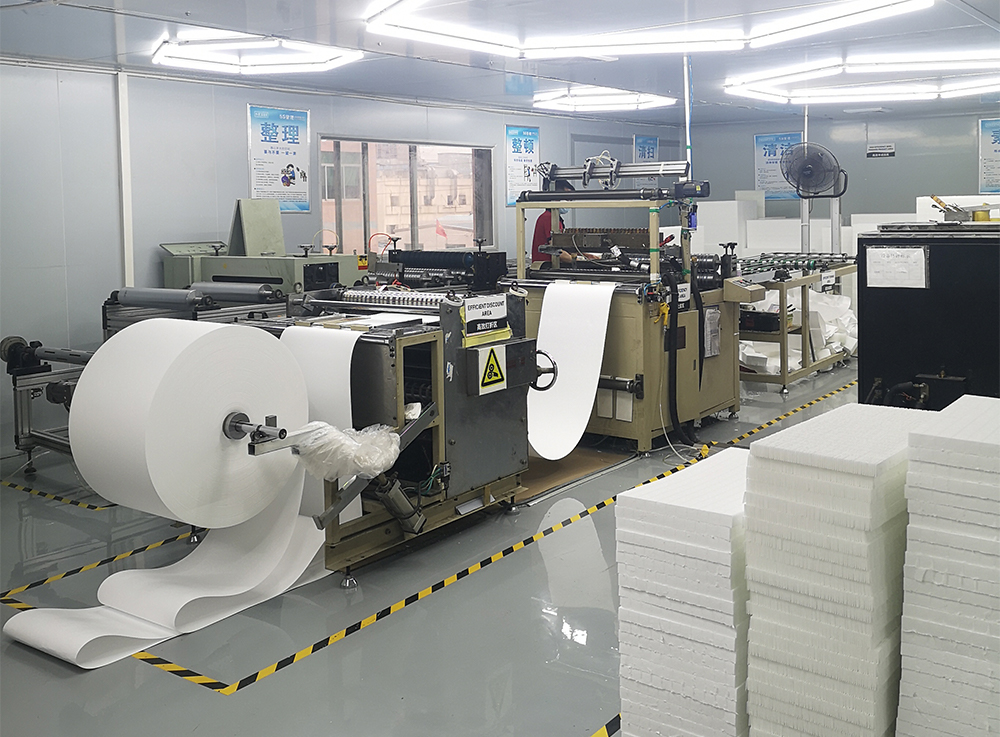
Cleanroom-standard assembly environments prevent cross-contamination during the pleating and sealing phases of HEPA production.
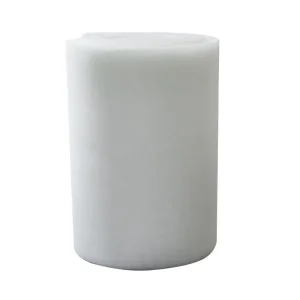
Current market data suggests a 15% year-on-year increase in demand for low-resistance microfiber filters. As global energy prices fluctuate, industrial facilities are prioritizing filters that maintain high efficiency with minimal static pressure. This is where Supply Chain Resilience becomes critical. China's Factory 4.0 initiative has empowered manufacturers like LJF to maintain competitive pricelists while upgrading technology. By optimizing "carding" and "rolling" processes, we reduce waste by 12%, passing these savings directly to our clients through optimized quotes.
Get Our Premium Filtration Products At Factory Prices.




Pricing is influenced by the filtration efficiency grade (e.g., G4 vs H14), the type of frame material (Aluminum, Cardboard, or Galvanized Steel), and the order volume. Custom dimensions also play a role in lead times and cost.
We adhere to strict quality control protocols, including laser particle counter testing for HEPA filters and pressure drop validation for pre-filters. Our 10 years of experience ensure we meet international E-E-A-T standards.
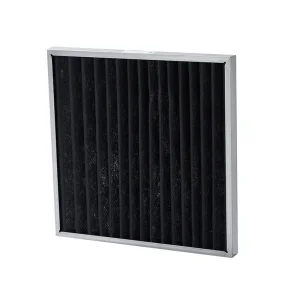
Yes, we specialize in tailoring filters to specific industrial needs. Whether you need a unique size for a legacy HVAC system or specific chemical filtration through activated carbon, our engineering team can provide a technical quote.
The main advantages are supply chain resilience and cost efficiency. Automated production reduces human error, ensures consistent quality, and allows for rapid scaling to meet large global procurement needs.
 LJF Air FILTER