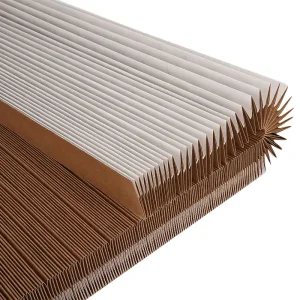
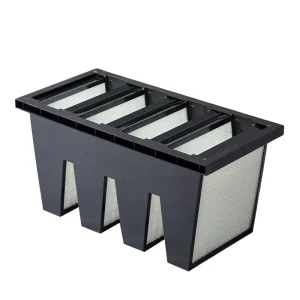
In industrial environments, air purity requirements extend far beyond coarse dust capture. Molecular contamination control (AMC) and fine particulate filtration are key to safeguarding both human health and ultra-sensitive production lines.
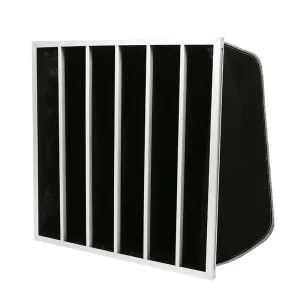
While the term "absorption filter" is commonly used throughout the supply chain, the primary physical mechanism behind gaseous contaminant removal is adsorption. Media like activated carbon utilize highly porous microstructures to physically attract and hold molecules of volatile organic compounds (VOCs), acid gases, and odors via Van der Waals forces. When these carbon structures are impregnated with chemical catalysts, chemisorption occurs, locking contaminants within the media permanently. This process is essential for electronic cleanrooms and hospital environments.
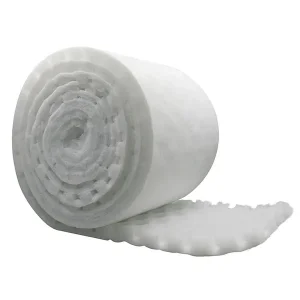
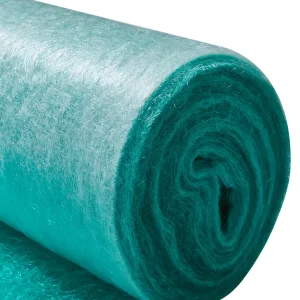
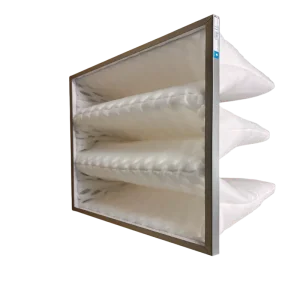
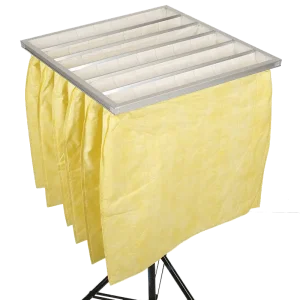
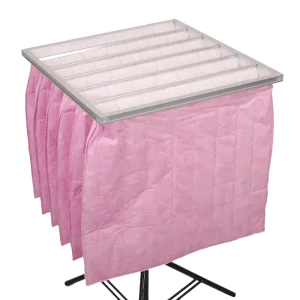
For dry particulate control, the filtration mechanics involve a combination of diffusion, interception, and inertial impaction. LJF's advanced synthetic and fiberglass pocket filters utilize gradient density structuring, where fiber size decreases in the direction of airflow. This unique configuration ensures a high dust holding capacity (DHC) while keeping initial resistance low, reducing the overall energy consumption of your HVAC system.
Explore our premium selection of industrial-grade air filters designed for spray booths, HVAC pre-filtration, and medium-to-high efficiency particulate extraction.
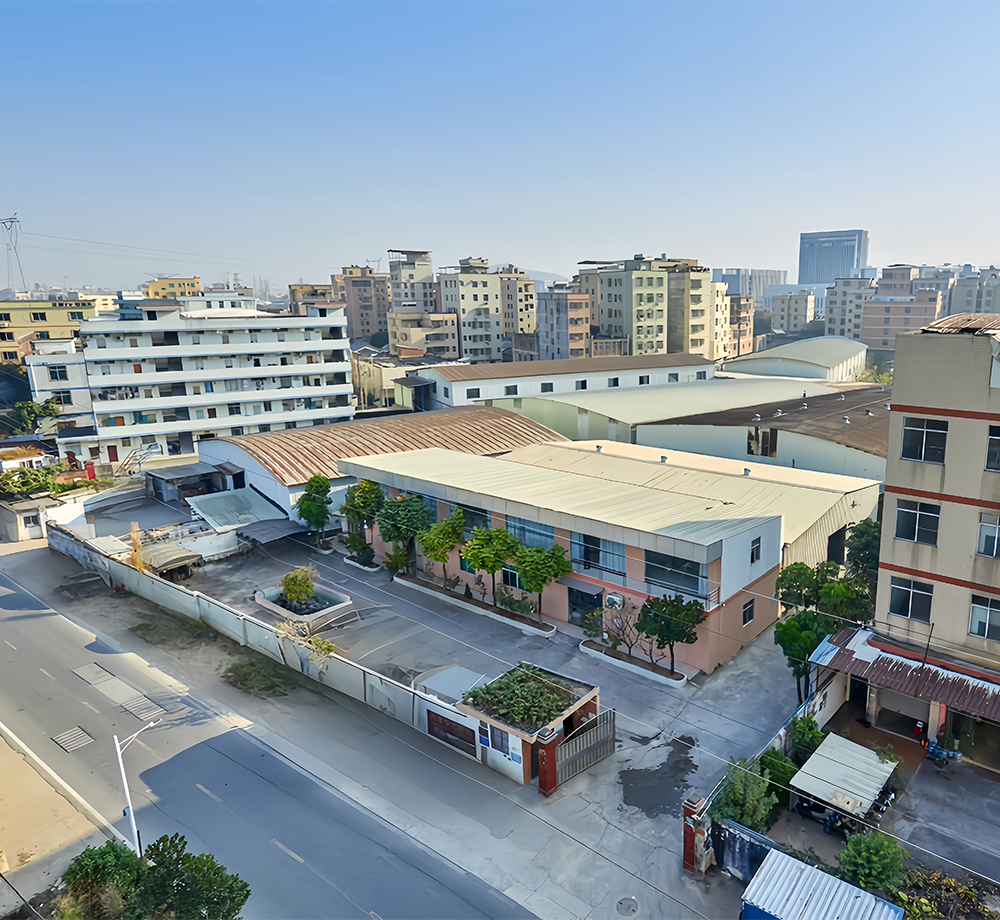
Strategically positioned in Guangzhou, southern China—only 10 kilometers from Guangzhou Baiyun Airport—Guangzhou LJF is a fast-growing, high-tech manufacturer specializing in premium air filtration solutions.
Our location gives us direct access to major international trade routes, enabling swift transit and delivery to global logistics networks. We serve diverse industries with stringent clean air requirements, including electronics manufacturing, semiconductor production, liquid crystal display (LCD) assembly, biopharmaceuticals, food processing, petrochemicals, clean rooms, hospitals, rail transit networks, commercial paint booths, and modern eco-friendly residential buildings.
Over the years, we have built strong partnerships with more than 100 enterprise customers across 30+ countries, establishing LJF as a reliable supplier of high-performance air filtration systems. Our approach focuses on technical expertise and reliable manufacturing, ensuring every filter meets demanding industrial standards.
We combine over a decade of filtration expertise with direct-to-factory supply chains to deliver reliable cleanroom solutions that minimize maintenance costs.
Our premium filter units are designed to enhance indoor air quality (IAQ), reduce HVAC system energy consumption, and lower maintenance intervals. We focus on high dust holding capacity and low structural airflow resistance.
By optimizing our material sourcing and production processes in China, we deliver high-performance filtration solutions directly to global buyers at competitive factory prices. This helps lower overall facility operating costs.
Every commercial HVAC and industrial extraction system is unique. Our engineering team designs custom air filters in bespoke dimensions, configuration shapes, and distinct efficiency ratings to match your technical requirements.
For procurement managers, evaluating an air filter's cost based solely on its initial price quote can lead to high operating expenses down the road.
Guangzhou is a major global air filtration manufacturing hub. Access to high-grade local raw materials (such as synthetic polymers, micro-fiberglass, and heavy-duty galvanized aluminum frames) keeps material acquisition costs low. Working with a factory near key airport transport nodes cuts logistics delays, ensuring short production lead times and responsive customs clearance for urgent deliveries.
Over 70% of an air filter's lifecycle cost is the electrical energy needed to pull air through it. LJF filters are engineered with low initial resistance profiles, helping to reduce the workload on HVAC fans. This design lowers energy consumption and extends filter replacement cycles, reducing maintenance labor and disposal costs over time.
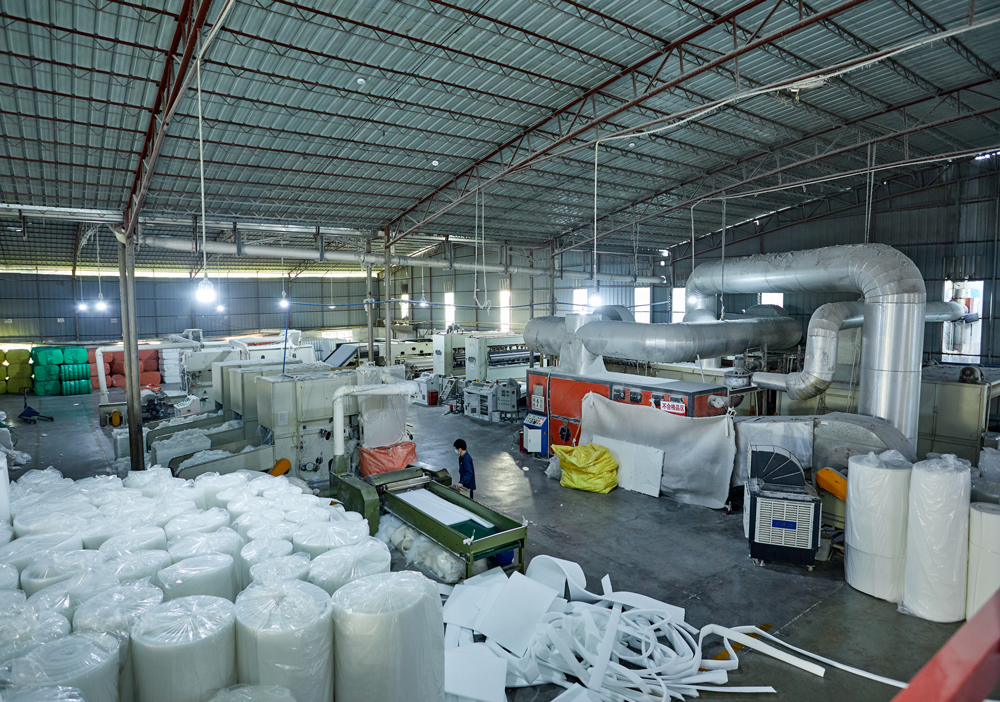
At Guangzhou LJF, we control every step of production. From raw material preparation to shipping, we follow strict quality standards to ensure reliable filter performance.
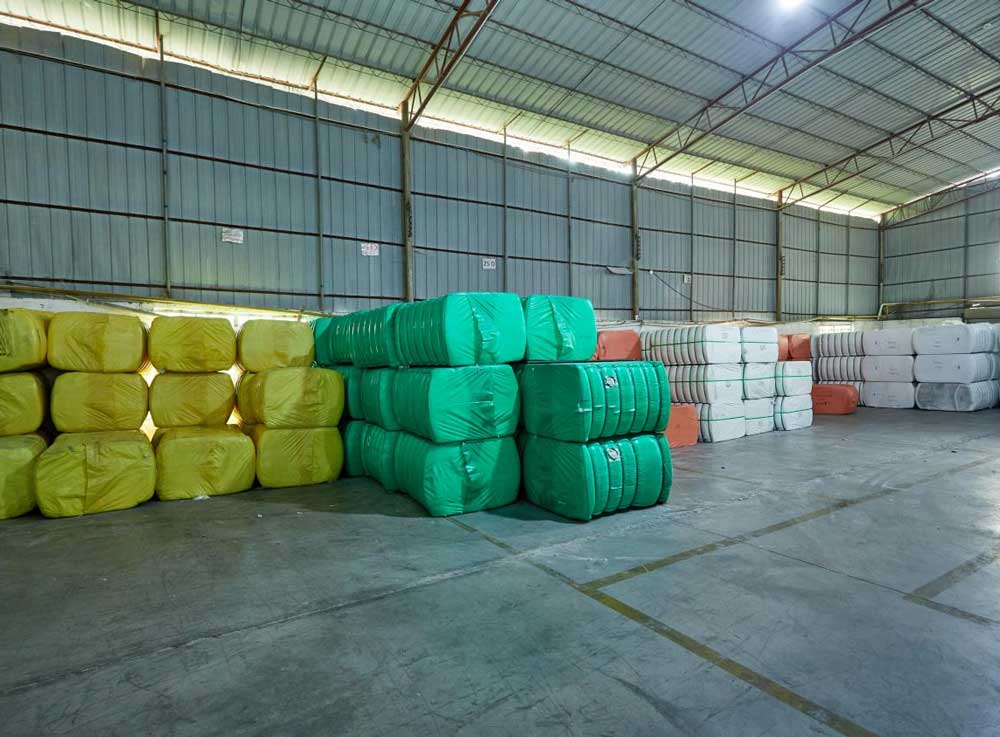
Sourcing and certifying raw materials, including micro-fiberglass media, active carbon matrices, and galvanized steel structural sheets.
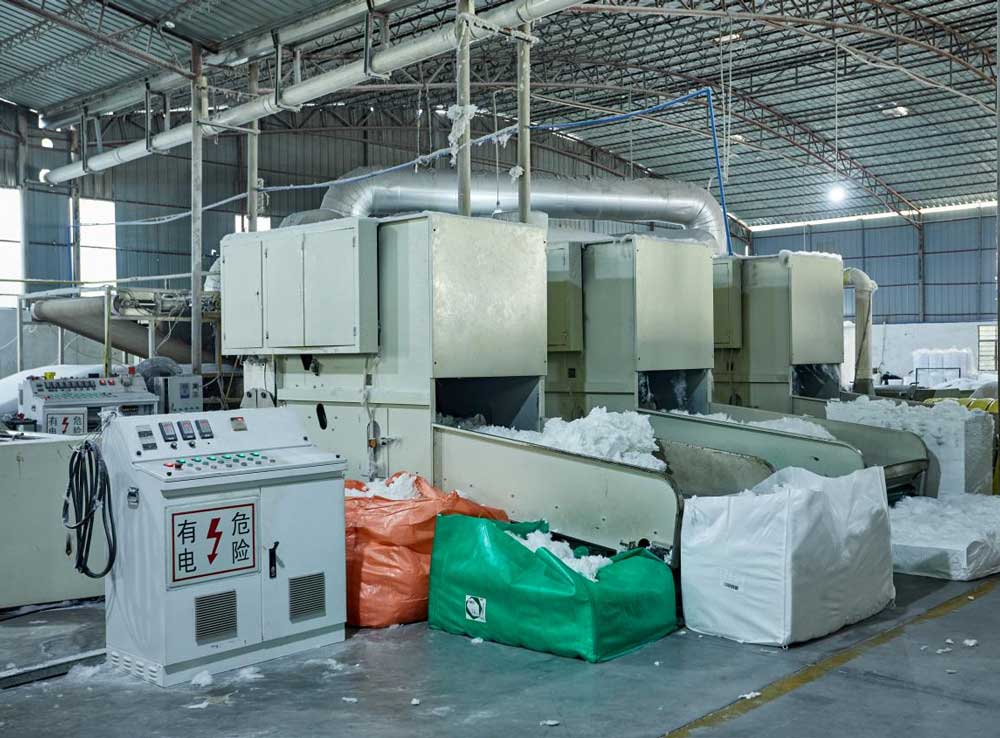
Uncoiling and inspecting raw filter media rolls under temperature and humidity-controlled cleanroom conditions to prevent static degradation.
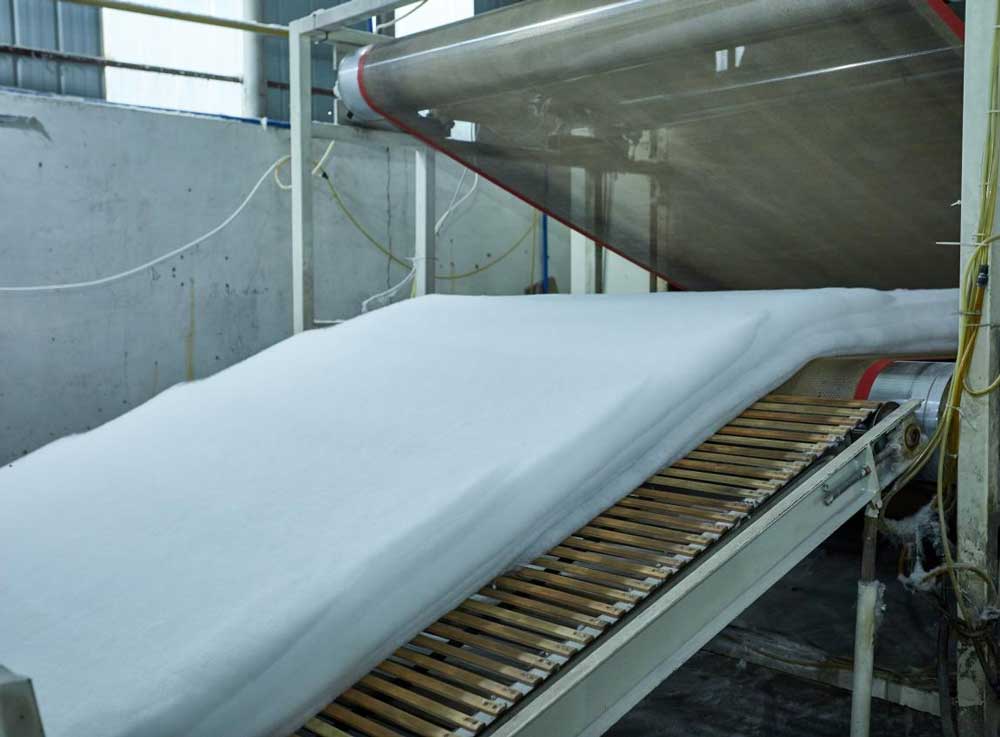
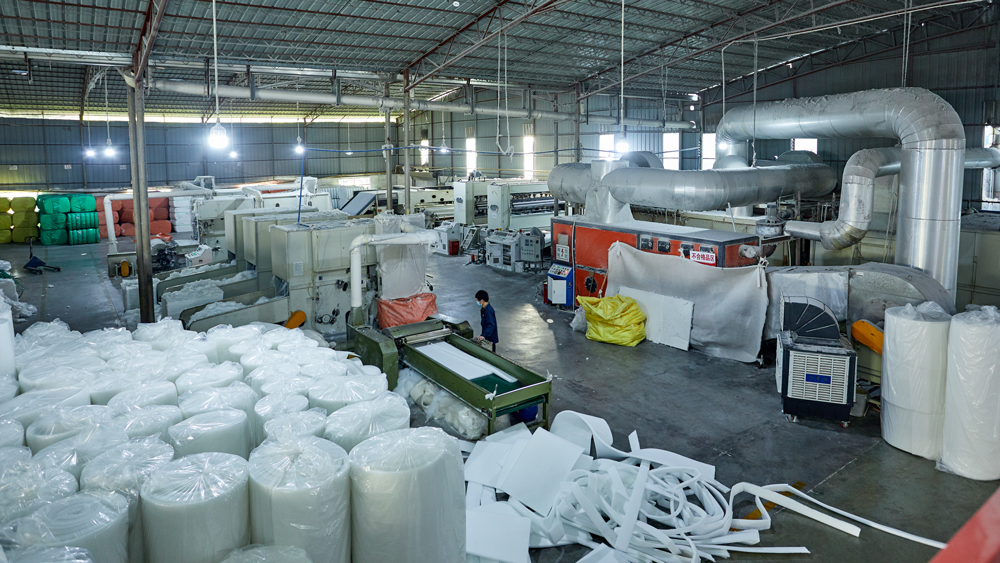
Mechanical fiber carding to align synthetic fibers, ensuring a uniform gradient density across the filter media web.
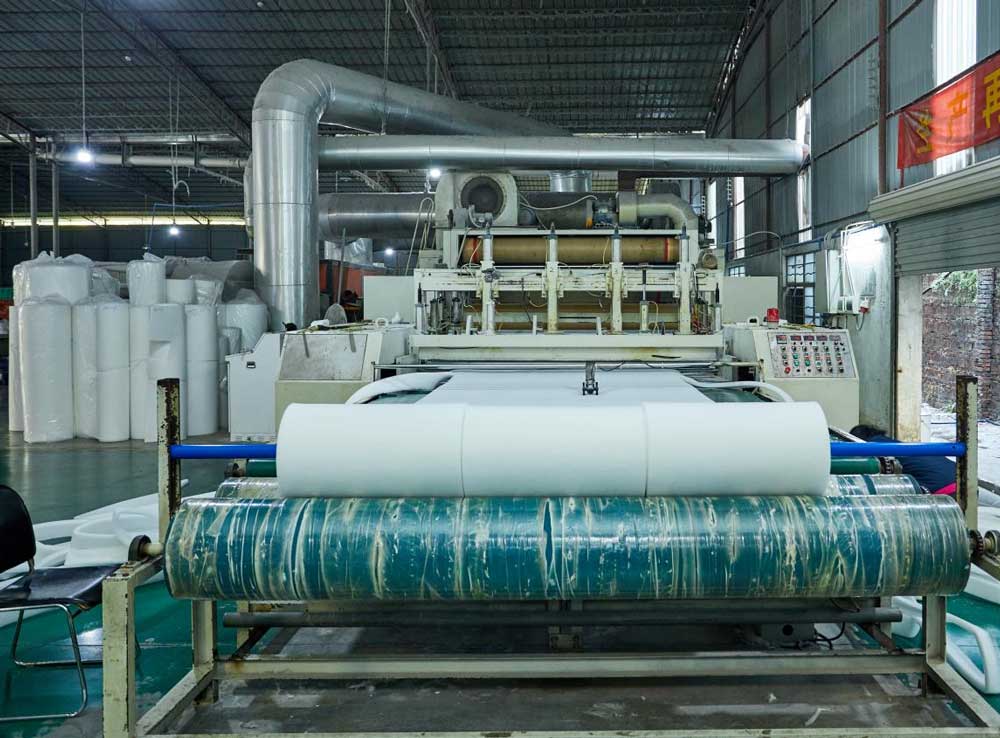
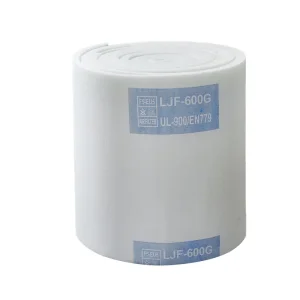
Winding prepared media into structured rolls, maintaining consistent tension to ensure stable thickness and airflow resistance.
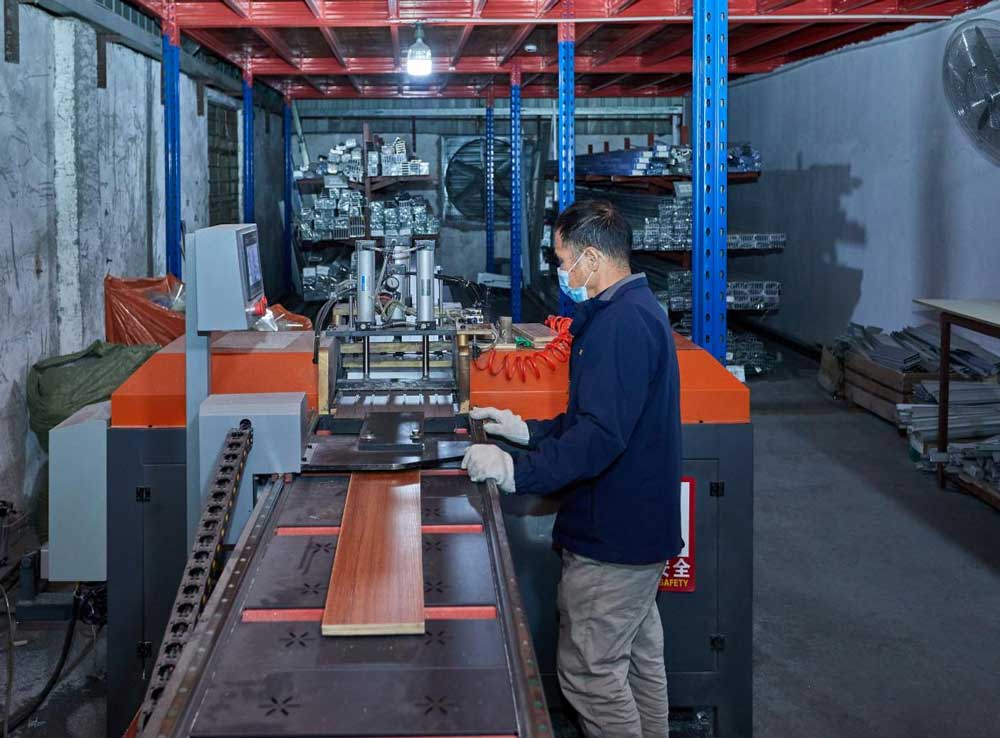
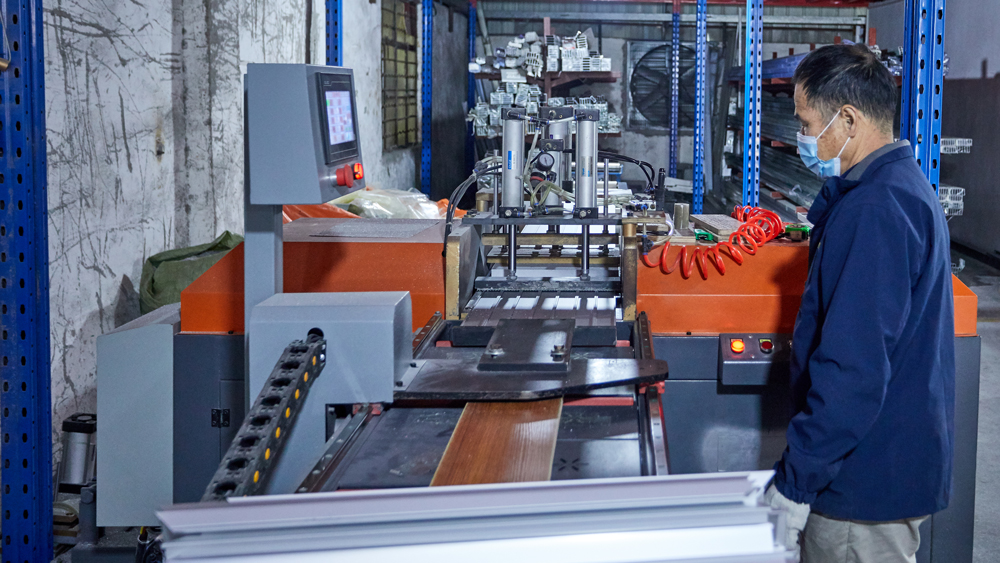
Stamping, bending, and cutting galvanized aluminum and steel structural sheets to create durable outer filter frames.
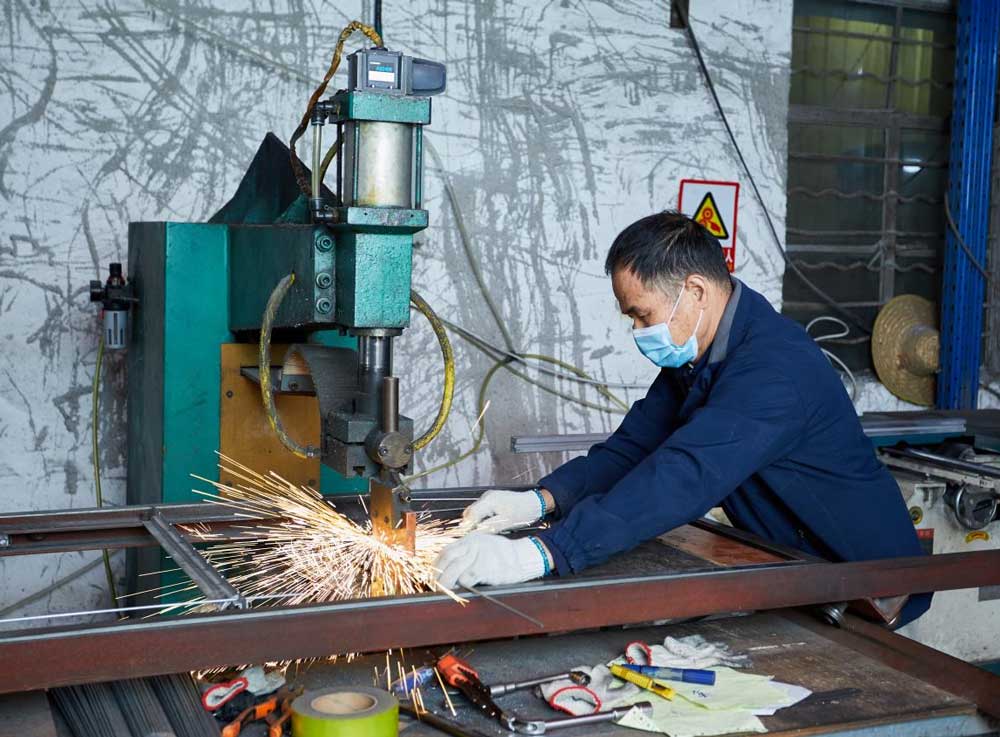
Welding outer frame joints and inner mesh supports to ensure the filter maintains its structural integrity under high pressure drops.
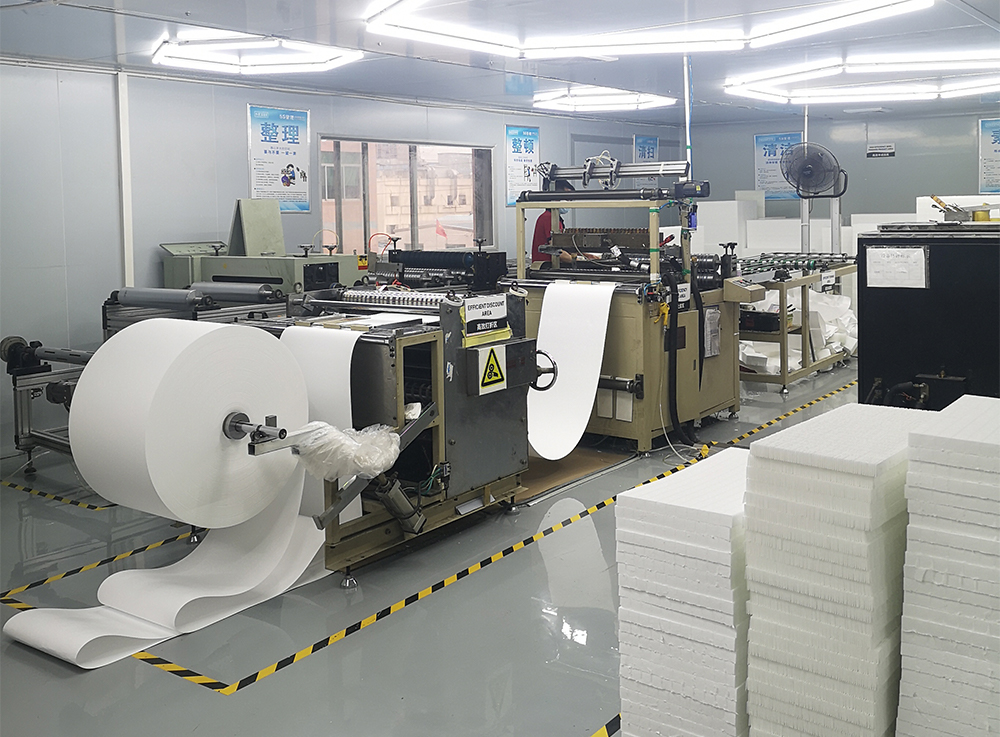
Combining the filter media with frames and structural grids, using specialized sealants to prevent air bypass leaks.
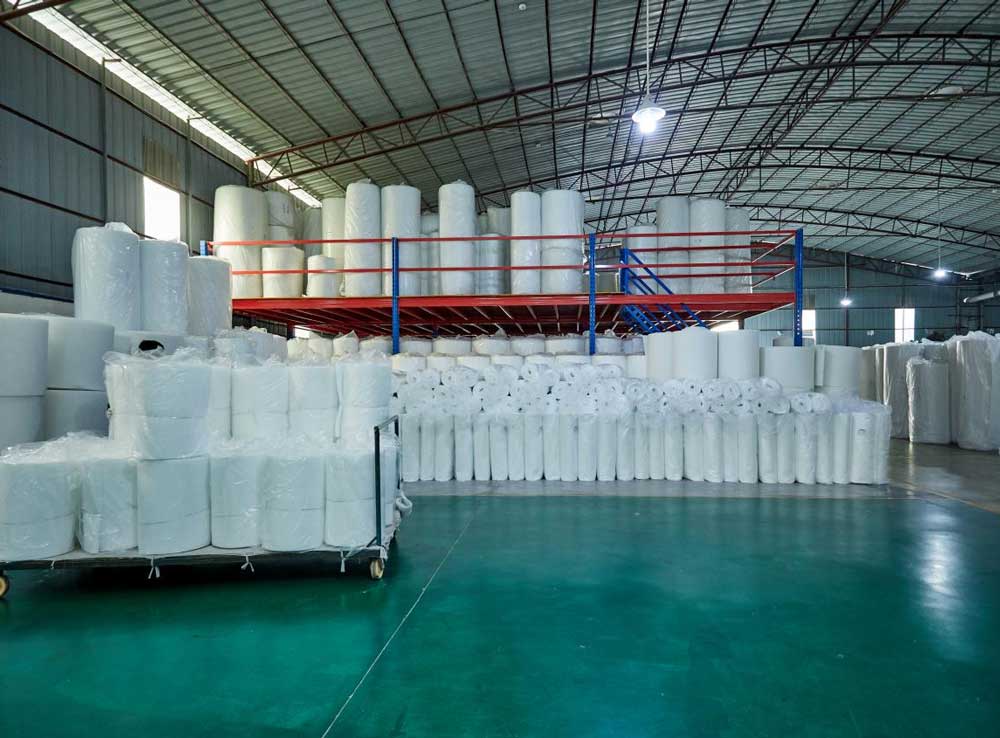
Testing batch samples for initial pressure drop, particle leakage, and efficiency before storage in our clean warehouse.
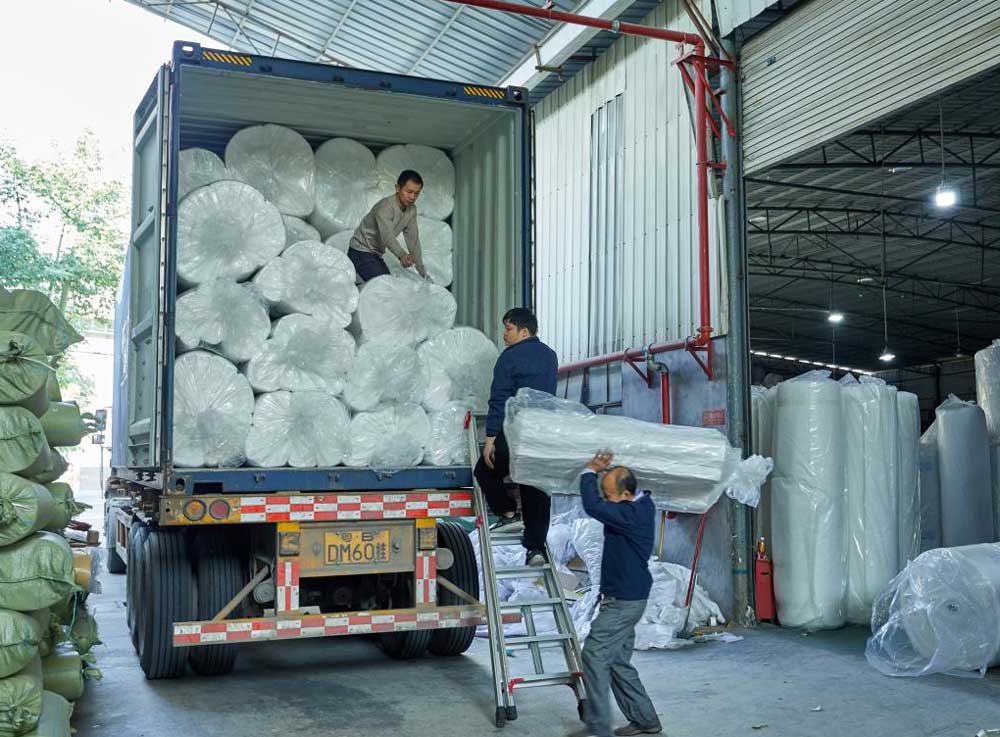
Carefully packing filter units in protective, moisture-proof cartons and shipping them out to international destinations.
Operating globally requires compliance with regional safety, efficiency, and environmental regulations.
Global air filtration has shifted from the EN 779 standard (classification ratings like G4, M6, F7, F9) to the ISO 16890 framework. This newer protocol evaluates filters based on particulate matter sizing (PM1, PM2.5, PM10). LJF's pocket and pre-filters are fully certified under both systems, making it straightforward to match compliance specifications for upgrades or new system builds.
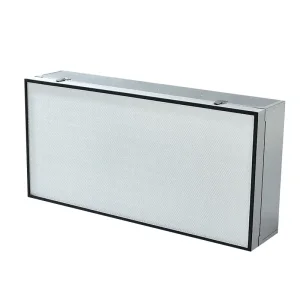
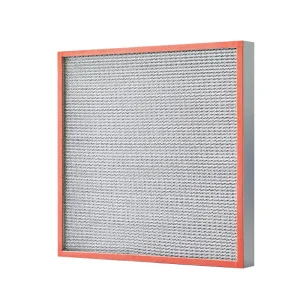
For highly sensitive environments like semiconductor manufacturing and pharmaceutical cleanrooms, absolute filtration is critical. Our H13 and H14 HEPA filters are tested according to EN 1822 to confirm they meet minimum particulate capture efficiencies of 99.97% and 99.995% respectively at Most Penetrating Particle Size (MPPS). We also offer fire-retardant structural materials to comply with UL 900 standards.
Different industries present unique chemical and physical challenges for air filtration. Here is how we customize configurations for different sectors.
Overspray containment is essential for high-quality paint finishes. Our DPA paint pocket filters and V-type pleated paper filters trap heavy paint particulates and solvent droplets, protecting downstream exhaust systems and exhaust fans from build-up.
Silicon processing requires environments free from airborne molecular contamination (AMC). We design Fan Filter Units (FFU) with H14 HEPA media and chemical carbon blends to capture sub-micron particulates and trace gases, helping to maintain high wafer yields.
Energy efficiency and indoor air quality are key priorities for commercial buildings. Our synthetic bag filters (ranging from M6 to F9) provide reliable pre-filtration, capturing atmospheric dust and pollens to help extend the lifespan of HEPA stages.
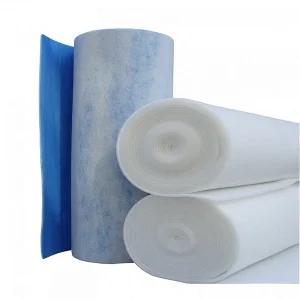
Browse our range of technical media rolls, ceiling filtration grids, fan filter units, and custom fiberglass pocket configurations.
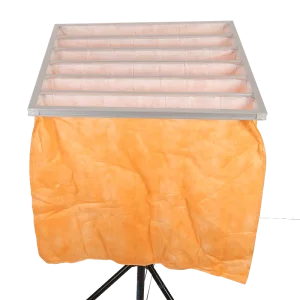
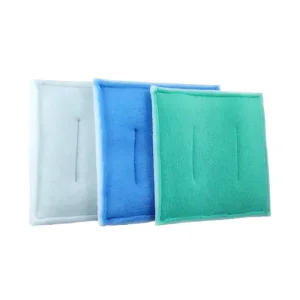
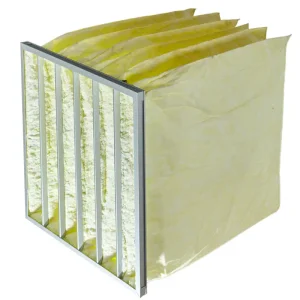
We provide premium-grade filtration products to global partners at competitive factory pricing.

We collaborate closely with our clients at every step, from initial design consultation to final shipping delivery.
Our customer-oriented service philosophy ensures that we work closely with you to find the best solution for all your air filtration needs.
Whether you need a standard model or a custom product, our dedicated team will help you every step of the way.
We believe that our success is closely linked to your success and we are committed to building mutually beneficial relationships with our customers.
Find answers to common technical and logistics questions regarding industrial air filter procurement, performance standards, and application engineering.
The service life of an activated carbon filter depends on the concentration of gas-phase contaminants and the ambient relative humidity. Generally, in typical light industrial or commercial HVAC applications, carbon media should be replaced every 6 to 12 months. When gas levels are high, monitoring pressure drop and odor levels can help determine the correct replacement schedule.
HEPA filters perform best when clean air flows through them at standard rated face velocities, usually between 0.45 and 0.55 m/s (90 to 110 fpm). Operating above these speeds increases the initial pressure drop, which can lower filtration efficiency for sub-micron particles by reducing diffusion capture rates.
Synthetic pocket filters (such as M6 or F7 grades) are highly durable and resist fiber shedding, making them suitable for variable air volume (VAV) applications. Micro-fiberglass media, while more fragile, provides a stable filtration structure and consistent efficiency over time. The right choice depends on the dust load and humidity levels of your facility.
Dry Paint Arrestor (DPA) filters are designed with high-volume, multi-layered pockets that capture and hold fine liquid paint mist. By stopping overspray from sticking to exhaust fans and ducts, they help prevent duct fires, ensure compliance with local emissions limits, and maintain proper booth ventilation.
Yes. We offer fully customized manufacturing. We can customize the dimensions, frame types (such as aluminum, galvanized steel, or plastic), number of pockets, and efficiency classes (from G3 pre-filters to H14 HEPA) to match the specifications of your existing systems.
We test our HEPA filters using oil aerosol particle counters (such as PAO or DEHS) in accordance with the EN 1822 standard. Every batch is scanned for leaks and structural defects to ensure it meets our target efficiency before leaving the factory.
Our facility is located in Guangzhou, just 10 kilometers from Guangzhou Baiyun Airport. This proximity to a major logistics hub simplifies transport, lowers inland trucking costs, and speeds up air freight shipping for urgent orders.
An air filter's TCO includes the initial purchase price, the cost of the electrical energy required to run fans against the filter's resistance (which typically represents 70-80% of total costs), and the labor, downtime, and disposal costs for replacement. High-quality filters with low pressure drop help minimize these long-term expenses.
 LJF Air FILTER