Top Spray Booth Roof Filters for Efficient Paint Overspray Control?

Time:2026-03-30 Author:Mason
0%

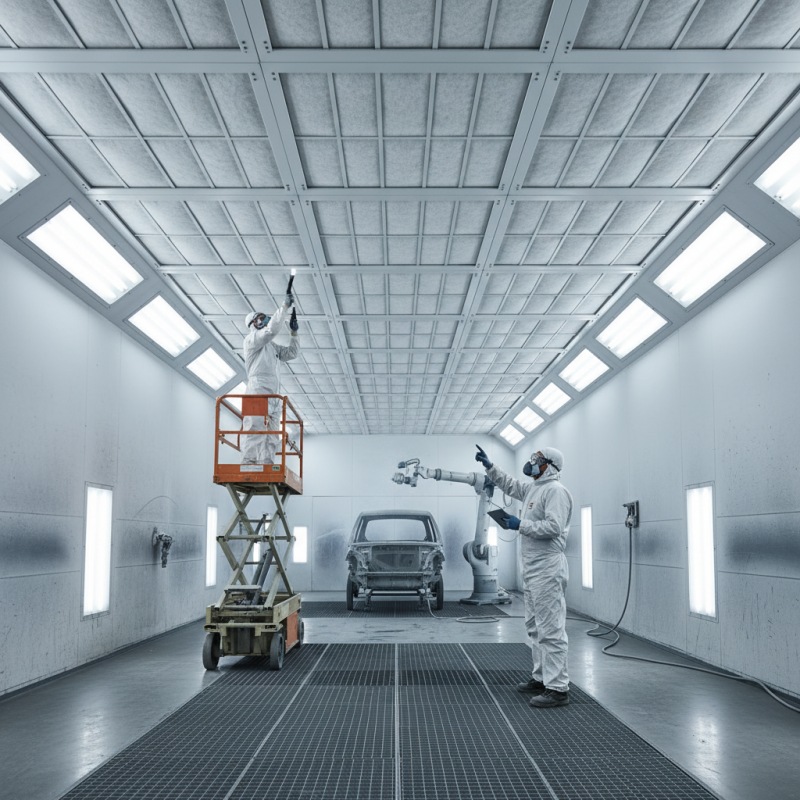
In the world of industrial painting, efficiency and safety go hand in hand. The role of Spray Booth Roof Filters cannot be overstated. These filters are essential for controlling paint overspray. They help maintain air quality and protect both workers and equipment.

Quality Spray Booth Roof Filters can also increase productivity. They ensure optimal airflow and reduce the need for excessive cleanup. However, not all filters meet the same standards. Selecting the right filter requires careful consideration of material, durability, and filtration efficiency.

Some users may experience challenges with filter maintenance. It’s crucial to remember that filters need regular checks and replacements. Inadequate attention can lead to diminished performance. By understanding the specific needs of your booth, you can choose the best filter for efficient paint overspray control.
Top Spray Booth Roof Filters for Efficient Paint Overspray Control?

Top Considerations for Selecting Spray Booth Roof Filters

When selecting spray booth roof filters, several key factors come into play. Efficiency in paint overspray control is crucial. A good filter helps trap overspray particles effectively, reducing airborne contamination. This improves air quality in the booth, enhancing the working environment. Consider the filter's MERV rating; higher ratings generally capture finer particles.

It’s important to assess the filter's longevity as well. Filters with longer lifespans can reduce maintenance costs over time. However, not all long-lasting filters perform equally. Some may clog faster than expected, impacting airflow. Regular checks are necessary to ensure optimum performance.

Material is another significant consideration. Pleated polyester filters often offer a balance between performance and cost. However, they may not suit all applications. Some booths require more robust solutions. The local environment can also affect filter choice. Outdoor pollutants can degrade filter efficiency faster. Reflecting on these aspects is vital for achieving the best results.

Types of Roof Filters Commonly Used in Spray Booths and Their Efficiency

In spray booths, roof filters play a crucial role in controlling paint overspray. Several types of filters are commonly used, impacting efficiency and application quality. These include high-efficiency particulate air (HEPA) filters, electrostatic filters, and adhesive media filters. Each filter serves a unique purpose, capturing particles of different sizes effectively. HEPA filters are particularly known for their ability to trap fine particles. However, they may require frequent replacement, which can increase operational costs.

Electrostatic filters are another option, using electrical charges to attract and capture particles. They are reusable and can save money over time. Yet, they might not be as effective in certain environments, necessitating careful selection based on the facility's needs. Adhesive media filters are simpler but can struggle with heavier overspray and may saturate quickly. It’s essential to regularly assess the condition of these filters to maintain optimal air quality.

The choice of filter significantly affects the performance of the spray booth. Selecting the right one depends on various factors, including paint type and volume used. A mismatch can lead to increased airborne contaminants and poor product quality. Business owners often find this decision challenging. Balancing cost, efficiency, and compliance with safety regulations requires careful thought and planning. Regular upkeep and evaluation of these filters are vital for effective overspray control.

Industry Standards for Paint Overspray Control and Filter Performance

When it comes to controlling paint overspray in spray booths, industry standards are crucial. These standards ensure that filters perform effectively. High-quality filters capture a significant amount of paint particles, protecting both the environment and the workspace. Using filters that meet or exceed industry guidelines reduces waste and improves air quality.

The effectiveness of spray booth filters is often measured by their particle retention efficiency. This metric indicates how well a filter can capture unwanted particles. Proper maintenance and regular replacement are necessary for optimal performance. A common pitfall is neglecting to check filter conditions, which can lead to decreased efficiency over time. Regular inspections can help identify when filters are no longer effective.

Choosing the right filter involves understanding specific needs and applications. Not all filters will perform equally under various conditions. Different types of paint and spray equipment call for different filtering solutions. It's vital to consider these factors to achieve the best results. Encouraging feedback from users can improve filter design and application methods, making it a collaborative effort in enhancing overspray control.

Top Spray Booth Roof Filters for Efficient Paint Overspray Control

Filter Type Efficiency (%) MERV Rating Max Airflow (CFM) Recommended Use
Polyester Filter 95 MERV 8 1200 General Paint Booth Use
Fiberglass Filter 90 MERV 7 1000 Older Systems
Electrostatic Filter 99 MERV 13 1500 High-Efficiency Applications
Activated Carbon Filter 85 N/A 800 Odor Control
Pre-filter 75 MERV 5 2000 Initial Filtration Step

Impact of Roof Filters on Air Quality and Compliance Regulations

The impact of roof filters on air quality is considerable in spray booths. Effective filters can capture up to 99% of paint overspray, significantly reducing harmful emissions. According to recent studies by environmental agencies, poor air quality in industrial settings leads to respiratory issues in workers and nearby communities.

Compliance with air quality regulations is essential for manufacturers. The U.S. Environmental Protection Agency (EPA) mandates strict standards for VOC emissions. Using high-efficiency roof filters can facilitate compliance and minimize penalties. Yet, many facilities underestimate the maintenance needed for these filters. Clogged and neglected filters can degrade performance, leading to increased emissions. Regular checks and timely replacements are crucial for optimal performance.

Even the best roof filters can have shortcomings. They may not capture every particle, leading to overspray escaping into the environment. It's vital for businesses to continuously assess their filtration systems and adapt to new regulations. Some companies may also struggle to integrate advanced filtration technologies due to costs or lack of knowledge. Balancing compliance with operational efficiency remains a challenge for many industries.

Maintenance and Replacement Guidelines for Spray Booth Roof Filters

Maintaining and replacing spray booth roof filters is critical for efficient paint overspray control. Filters capture airborne particles and prevent overspray from contaminating the work area. According to industry reports, over 90% of businesses with insufficient filtration systems face increased paint waste and hazardous conditions. Regular monitoring of filter conditions reduces risks and enhances workplace safety.

Replacement schedules often depend on usage. A common guideline suggests changing filters every 30 days in high-use environments. However, lower usage rates may allow for longer intervals. Inspecting filters weekly can reveal saturation levels. The EPA highlighted that dirty filters can reduce airflow by up to 50%, increasing energy costs. Filters should be regularly evaluated for effectiveness.

Putting off replacements can compromise performance. Some facilities might underestimate the cost of not doing so. Ongoing reliance on worn filters may lead to higher maintenance costs down the line. Awareness of these factors helps in making informed decisions about filter upkeep. Consistency in adhering to maintenance schedules can significantly elevate operational efficiency while ensuring compliance with safety standards.

Top Spray Booth Roof Filters for Efficient Paint Overspray Control

This chart illustrates the effectiveness of different types of spray booth roof filters in controlling paint overspray. The data represents the average overspray capture efficiency percentages for three commonly used filter types, along with their maintenance frequency. Higher percentages indicate greater efficiency in overspray control.

FAQS

: What are the key factors in selecting spray booth roof filters?

: Efficiency in paint overspray control and filter longevity are crucial.

How does filter efficiency impact the working environment?

Filters improve air quality by trapping overspray particles, reducing airborne contamination.

Why is it important to check filter conditions regularly?

Neglecting filter conditions can lead to decreased efficiency and increased emissions over time.

What material is often recommended for spray booth filters?

Pleated polyester filters are commonly chosen for a balance between performance and cost.

How can outdoor pollutants affect filter performance?

Outdoor pollutants can degrade filters faster, impacting their efficiency in capturing overspray.

What is the significance of industry standards for filters?

Standards ensure effective performance, reducing waste and improving air quality in spray booths.

How do different types of paint influence filter selection?

Not all filters perform equally; different paints require specific filtering solutions.

What challenges do companies face in maintaining compliance with regulations?

Many underestimate the maintenance needed for filters, risking non-compliance and increased emissions.

Why might businesses struggle with advanced filtration technologies?

Costs and lack of knowledge can hinder integration of sophisticated filtering systems.

What should businesses reflect on regarding their filtration systems?

Continuous assessment and adaptation to new regulations are vital for effective overspray control.

Conclusion

Spray Booth Roof Filters play a crucial role in controlling paint overspray and maintaining air quality in spray booths. When selecting these filters, key considerations include their efficiency, compatibility with the booth design, and adherence to industry standards for paint overspray control. Different types of roof filters are available, each with varying levels of effectiveness in capturing particulates and VOCs, which directly impact compliance with environmental regulations.

Maintaining optimal air quality and meeting compliance regulations is essential for any spray booth operation. Regular maintenance and timely replacement of Spray Booth Roof Filters are vital for ensuring continued effectiveness and performance. By following the proper guidelines, businesses can enhance their operational efficiency while also safeguarding the health of employees and the environment.

Mason

Mason

Mason is a seasoned marketing professional with a deep expertise in the company's offerings and a passion for driving brand awareness. With a strong background in digital marketing strategies, he has an innate ability to connect with diverse audiences and effectively communicate product benefits.......