In today's cleanroom environments, maintaining optimal air quality is crucial for various industries. One significant component in achieving this is the Laminar Flow Hepa Filter. These filters play a vital role in removing airborne particles, ensuring a sterile environment. They create a smooth flow of air, minimizing contamination risks.
Selecting the right Laminar Flow Hepa Filter is not straightforward. With numerous options available, understanding specifications is key. Quality, efficiency, and compatibility with your cleanroom are essential factors. Each filter has its own features that may or may not meet your specific needs. It's important to consider these details carefully.
Relying on expert recommendations helps refine your choices. Yet, it’s also important to evaluate product performance continuously. Some filters may not last as expected, requiring regular assessments. A well-informed decision can lead to a more effective cleanroom process. As we explore the top 10 Laminar Flow Hepa Filters available, detailed insights will support your selection.
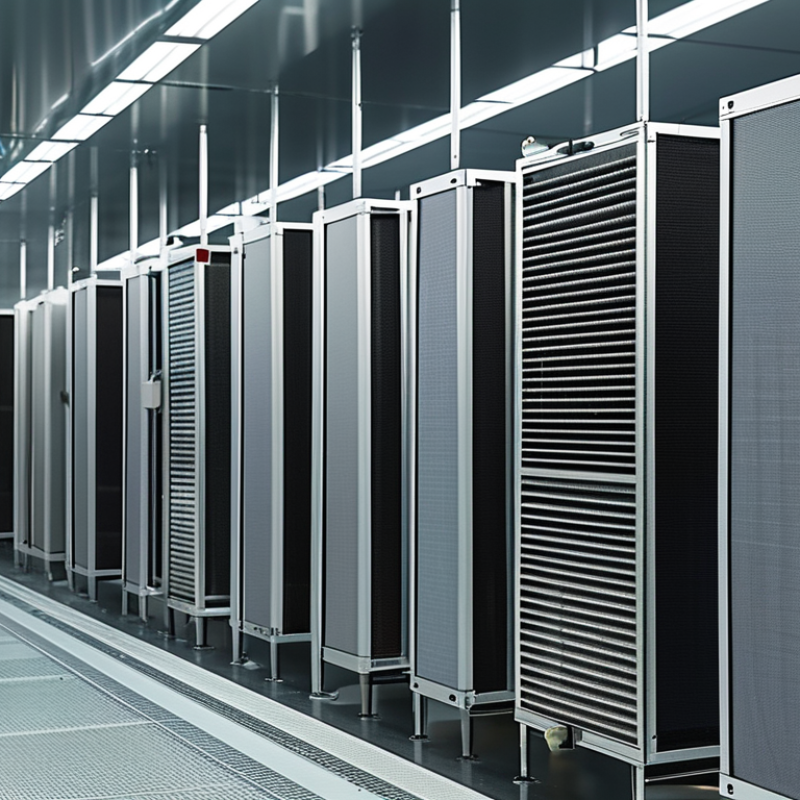
Laminar flow HEPA filters play an essential role in cleanroom environments. They ensure a constant flow of filtered air, effectively reducing airborne contaminants. These filters capture particles as small as 0.3 microns, making them vital for industries like pharmaceuticals and biotechnology. Understanding their design and function is critical for maintaining high standards of cleanliness.
When installing laminar flow HEPA filters, proper placement is crucial. Incorrect positioning can lead to turbulence, reducing effectiveness. Ensure filters align with airflow patterns in your cleanroom. Regular maintenance is also necessary. Dust and debris can accumulate, undermining filter performance. Always check the integrity of the filter before use.
**Tip:** Consider using pre-filters to extend the life of your HEPA filters.
Monitoring air quality is paramount. Use sensors to gauge particulate levels. This will help you identify when filters need replacing. Always stay proactive.
**Tip:** Keep a maintenance log. Document service dates and filter changes to ensure compliance and efficiency.
Understanding the importance of laminar flow HEPA filters goes beyond installation. It requires ongoing attention and adjustments to guarantee a clean environment.
filters?
Consistent air velocity ensures effective contaminant removal; uniform speeds are ideal for performance.
Advanced materials enhance durability and can offer longer service life. They matter in overall efficiency.
Filters should be checked at least every six months to prevent contamination and maintain efficiency.
Follow guidelines closely, clean the housing regularly, and log pressure drops for optimal performance.
Quiet models are beneficial in focused environments, but performance should not be compromised for low noise.
Some filters fit specific cleanroom designs, while others may not; check compatibility before purchase.
Overusing filters, high humidity, or chemical exposure can shorten service life and effectiveness.
Assess maintenance needs and filter lifespan carefully to avoid contamination issues and increased downtime.
Incorrect removal of filters can damage the filtration media, impacting overall performance and longevity.
In the realm of cleanroom technology, understanding the significance of a Laminar Flow HEPA Filter is crucial for maintaining a sterile environment. These filters are designed to ensure a continuous flow of clean air, effectively removing airborne particles, allergens, and contaminants. When selecting a Laminar Flow HEPA Filter, it is essential to consider key features such as filtration efficiency, airflow rates, and the filter's compatibility with your cleanroom setup.
This article provides a comprehensive review of the top 10 Laminar Flow HEPA Filters available on the market, highlighting their performance, pricing, and efficiency. Additionally, it delves into best practices for maintaining these filters to prolong their lifespan and ensure optimal functionality. By understanding these critical aspects, users can make informed decisions to enhance the effectiveness of their cleanroom operations.

 LJF Air FILTER