In the world of industrial painting, maintaining a clean and efficient workspace is crucial. Industrial Paint Booth Filters play a vital role in ensuring this. These filters capture overspray, dust, and other contaminants, protecting both the environment and your equipment. Choosing the right filter can improve air quality and enhance the performance of your paint booth.
Various types of filters are available, each designed for specific needs. The selection process may seem overwhelming, as not all filters perform equally. Factors such as airflow rate and filtration efficiency matter significantly. Thus, a thorough understanding of available options is essential. Investing in high-quality filters means better finishes and reduced rework, which saves time and resources.
However, the challenge lies in choosing the best filter for your unique circumstances. Some filters may not perform as expected, leading to potential issues. It's worth considering feedback from seasoned professionals and user experiences. Understanding limitations is key, and regularly assessing filter performance helps maintain optimal results. Ultimately, the right Industrial Paint Booth Filters are foundational for achieving your desired outcomes.
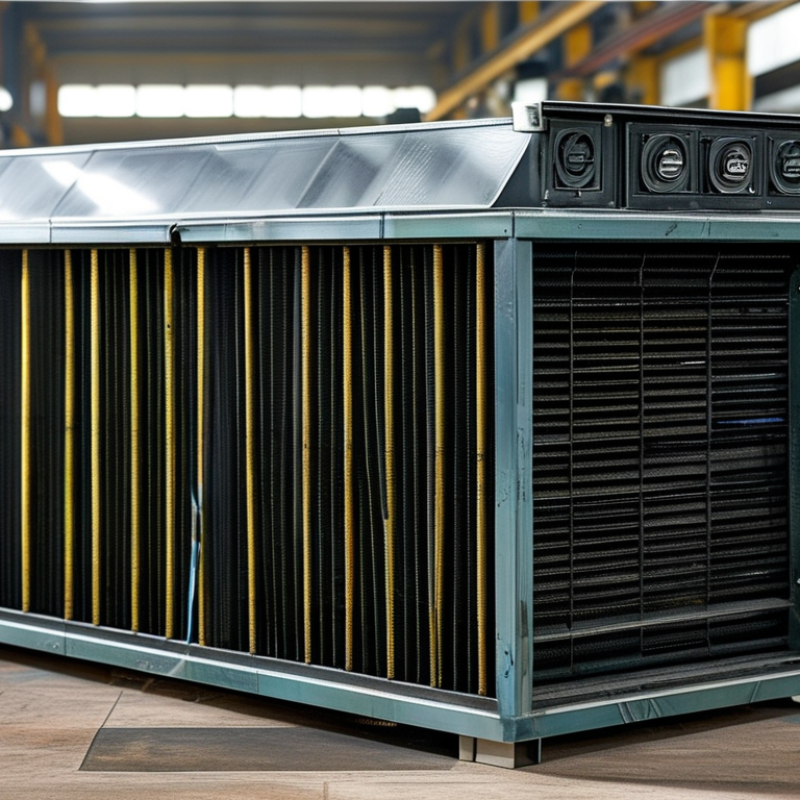
Understanding the Role of Paint Booth Filters in Industrial Settings
In industrial settings, paint booth filters play a crucial role in
maintaining air quality. As per industry reports, 80% of unhealthy air pollutants can
be mitigated with proper filtration. These filters capture particles and overspray, preventing contaminants
from entering the workspace. Without efficient filters, paint booths can release
volatile organic compounds (VOCs), which pose health risks to workers and contribute
to environmental pollution.
Regularly replacing paint booth filters is essential for optimal performance. Filters
become less effective after prolonged use, risking increased exposure to harmful substances.
Research indicates that facilities that adhere to a strict maintenance schedule experience
30% less downtime due to air quality issues.
This emphasizes the need for routine inspections and data analysis of filter performance.
Filters are not just components; they are vital for operational health.
Improper filtration can lead to costly repercussions. Poorly maintained systems might result
in paint defects, increasing rework rates. Some companies report spending up to
$10,000 annually due to filter negligence.
This highlights the importance of understanding and investing in quality paint booth filters.
Regular training and awareness regarding filter upkeep are key to ensuring a safe and productive work environment.
Types of Industrial Paint Booth Filters: An Overview and Comparison
When it comes to industrial paint booth filters, understanding the various types is crucial for optimal performance. Filters vary widely in terms of design and application. Common types include pre-filters, HEPA filters, and activated carbon filters. Pre-filters capture larger particles, enhancing the longevity of more specialized filters. They can effectively remove up to 80% of particulate matter.
HEPA filters serve a different purpose. They offer a high efficiency rate, capturing particles as small as 0.3 microns. According to industry research, HEPA filters can remove at least 99.97% of airborne particles, making them essential in many settings. Activated carbon filters, on the other hand, focus on absorbing odors and VOCs. They are often used in situations where chemical fume exposure is a concern.
Choosing the right filter requires a deep understanding of environmental conditions. Factors like humidity and temperature can impact filter effectiveness. Improper selection can lead to increased downtime and higher maintenance costs. Regular analysis of filter performance data can provide insights for necessary adjustments. Relying on one type may not always be sufficient, and a multi-stage approach can lead to significant improvements in air quality.
Top 10 Industrial Paint Booth Filters Performance Comparison
Key Performance Factors for Selecting the Best Paint Booth Filter
When selecting the best paint booth filters, consider the key performance factors that significantly impact efficiency. One important factor is the filter's efficiency rating. High-efficiency filters capture more particulates and contaminants. This leads to a cleaner environment. A lower efficiency means more pollutants in the paint booth air.
Another essential factor is airflow resistance. Filters must allow air to flow freely while trapping contaminants. Excessive resistance can hinder the spray process. Consequently, it's crucial to find a balance between filtration efficiency and airflow. Regular monitoring of filter saturation is vital. Over time, filters can become clogged, reducing their effectiveness.
Durability is equally important when evaluating options. Filters made from robust materials tend to last longer. Some filters may require more frequent replacement, leading to increased operational costs. It's also worth reflecting on how often your booth is used. A busy shop might mean needing more durable options. Regular maintenance plays a key role in optimal performance. Scheduled inspections can help identify performance drops early.
Top Products: Features and Benefits of Leading Industrial Paint Booth Filters
When selecting industrial paint booth filters, understanding their features and benefits is crucial. Quality filters effectively capture overspray and airborne contaminants. This prevents defects in finishes and improves air quality. Just imagine a scenario where a high-quality filter saves an entire batch of painted products from being ruined. The right filter can save time and money.
Different filters cater to specific needs. Some focus on particulate filtration, while others target vapor retention. For example, filters with multi-layer designs provide enhanced protection against toxic particles. They can handle high volumes of airflow without compromising efficiency. This balance is essential for businesses aiming to maintain performance while keeping their workspace safe.
However, not all filters perform equally well. Some may clog quickly, leading to increased maintenance. Others might not capture all unwanted materials. It’s vital to assess a filter’s rating and lifespan before purchasing. Users should also consider the specific contaminants in their environment. Being informed helps avoid costly mistakes and ensures optimal operation.
Top 10 Industrial Paint Booth Filters for Optimal Performance
| Filter Type |
Efficiency Rating |
MERV Rating |
Size (inches) |
Lifespan (months) |
Benefits |
| Polyester Filter |
90% |
MERV 8 |
20x25x1 |
6 |
Cost-effective, good airflow |
| Fiberglass Filter |
85% |
MERV 6 |
16x20x1 |
1-3 |
Low cost, easy to install |
| Cellulose Filter |
95% |
MERV 11 |
20x20x1 |
3-6 |
High capture efficiency, great for fine particles |
| Activated Carbon Filter |
90% |
MERV 10 |
24x24x2 |
6-12 |
Odor removal, chemical absorption |
| HEPA Filter |
99.97% |
MERV 17 |
12x24x12 |
12-18 |
Exceptional filtration for fine particles |
| Paint Stop Filter |
95% |
MERV 12 |
20x20x1 |
1-2 |
Specifically designed for paint booth use |
| Electrostatic Filter |
95% |
MERV 12 |
16x25x1 |
6-9 |
Enhanced dust trapping with lower resistance |
| High Capacity Filter |
99% |
MERV 14 |
20x25x4 |
12-24 |
Long lifespan, high particulate retention |
| Bag Filter |
80% |
MERV 9 |
24x24x12 |
6-12 |
Cost-effective for large areas |
| Pre-Filter |
75% |
MERV 5 |
20x20x1 |
2-4 |
Extended life of main filters |
Maintenance Tips for Enhancing the Longevity of Paint Booth Filters
Regular maintenance of paint booth filters is crucial for optimal performance.
Dirty filters can trap unwanted particles, leading to poor air quality and inefficient paint application.
To enhance the longevity of these filters, consider implementing a routine inspection and cleaning schedule. By doing so, you can identify issues early and prolong filter life.
Maintaining filters involves checking for dust buildup and replacing them as needed.
Inspect them weekly for damage or clogging. Some filters may require cleaning, while others need replacement.
Always follow manufacturer guidelines. Yet, be mindful that filters can degrade over time, even with regular attention.
This degradation may not always be visually apparent, making it essential to be proactive in maintenance.
Finally, record the maintenance dates and filter replacements.
This practice helps track performance and signals when issues might arise.
By being vigilant, you reduce unexpected downtime.
A well-maintained filter ultimately saves time and money, contributing to efficient operations.
Don’t overlook the importance of diligence in this aspect. Reflect on your current practices and consider areas for improvement.
Conclusion
Industrial Paint Booth Filters play a crucial role in maintaining air quality and ensuring optimal performance within industrial settings. These filters are essential for capturing harmful particles and overspray, which helps to create a safer work environment and protects the equipment. Understanding the various types of Industrial Paint Booth Filters and their specific functions is vital for selecting the right product for your needs.
When choosing the best paint booth filter, key performance factors include filtration efficiency, airflow resistance, and durability. The top filters in this category offer a balance of quality features and benefits, catering to various industrial applications. Additionally, implementing proper maintenance practices can significantly enhance the longevity of these filters, ensuring consistent performance and air quality in paint booth operations.

 LJF Air FILTER