In the world of spray booth operations, the choice of a Spray Booth Floor Filter is crucial. Renowned industry expert, John Smith, emphasizes, “The right filter can make a significant difference in air quality and paint application.” Selecting the correct filter ensures optimal performance and reduces the potential for contamination. Filters impact the efficiency of your spray booth and overall production quality.
Many professionals overlook the importance of regular filter maintenance. Ignoring this aspect can lead to increased costs and downtime. A good quality Spray Booth Floor Filter captures overspray effectively and minimizes waste. It is essential to consider the specific needs of your operation. Variables such as filter material, thickness, and airflow are vital. These factors determine the filter's efficiency and lifespan.
While convenience often leads to shortcuts in filter selection, it's a risk that can backfire. A poorly chosen filter can compromise both safety and product quality. Continuous assessment of your filters is necessary to meet industry standards. In a rapidly evolving market, staying informed is key to making the best choice.
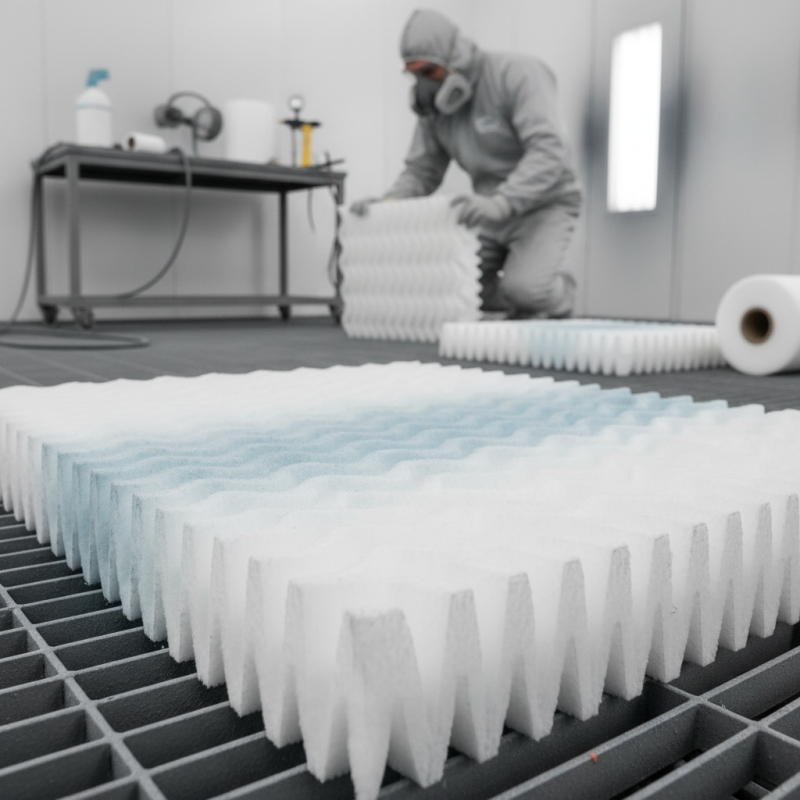
In a spray booth, floor filters play a crucial role in maintaining air quality. They capture overspray and particulate matter, preventing contaminants from circulating in the workspace. This process helps ensure that the painted surfaces remain smooth and clean. When selecting floor filters, consider their efficiency ratings. Higher ratings can trap more particles, leading to better results.
While choosing floor filters, it’s also important to think about compatibility with your system. Filters that fit poorly can let contaminants slip through. Regular maintenance is essential too. Clogged filters can restrict airflow, causing inefficiencies in your spray booth. Monitor their condition frequently and replace them as needed.
Sometimes, even with the right filters, issues may arise. For instance, improper installation can lead to leaks, enabling particles to escape. Reflecting on these aspects can help improve your spraying processes. Investing time in choosing the right floor filters ensures a cleaner and safer work environment.
Choosing the right floor filters for your spray booth is critical. Filters impact both air quality and safety. Understanding key factors can make the decision process smoother.
**Material Type**
The material of the filter affects its durability and effectiveness. Common options include polyester and fiberglass. Polyester filters are strong and hold dust well. However, they may not trap all particulate matter. Fiberglass filters are effective but can wear out more quickly. Look for materials that balance efficiency and longevity.
**Filter Rating**
Filter efficiency is crucial. Look for filters with higher MERV ratings. A MERV rating of 8 to 14 is often ideal for paint booths. Higher ratings can catch finer particles, improving air quality. But remember, more efficient filters may restrict airflow. Monitor air pressure to ensure optimal performance.
**Size and Fit**
Filters come in various sizes. Measure your booth carefully to find the right dimensions. An ill-fitting filter may allow contaminants to escape. Filters should fit snugly to prevent leaks. Customizing filter sizes may be required. Check the installation periodically for any gaps.
**Installation Tips**
Ensure proper installation of your filters. A poorly installed filter can lead to inefficiencies. Spend time adjusting and sealing all edges. Regular maintenance checks can prevent airflow issues.
In conclusion, selecting the right floor filters involves carefully weighing these factors. Consider material type, filter rating, and proper sizing to enhance performance.
When selecting floor filters for spray booths, understanding the types available is essential. Spray booths typically require filters that can manage liquids, particulates, and VOCs effectively.
High-efficiency particulate air (HEPA) filters are often recommended for their superior capability to capture small particles. In a report by the Environmental Protection Agency, HEPA filters can trap 99.97% of particles measuring 0.3 microns and larger. However, considering the specific requirements of your spray booth is crucial.
Another common choice is activated carbon filters. These filters excel at absorbing odors and chemicals from sprays, providing a safer working environment. According to industry research, using activated carbon in spray booths can reduce airborne contaminants by nearly 70%. This can be particularly beneficial in environments with a high volume of volatile organic compounds.
Tips: Always assess the airflow requirements of your booth. A filter that is too dense can restrict airflow, affecting performance. Regular maintenance is key. Change filters frequently to maintain optimal airflow and filtration efficiency. Ensure that your chosen filters are compatible with the type of spray materials used.
Choosing the right filter not only protects workers but prolongs the life of your equipment. Reflect on the long-term benefits of filter selection. A wrong choice could lead to increased costs and inefficiencies.
Maintaining spray booth floor filters is crucial for optimal performance. Regular checks can prevent costly downtime. Inspect filters weekly for wear or damage. Dirty filters can hinder airflow, affecting paint application and overall finish quality.
Replace filters according to usage and manufacturer guidelines. If paint build-up is evident, it's time for a change. This ensures the booth operates efficiently, reducing the risk of unexpected failures.
Cleaning filters can extend their life. Gently vacuum to remove dust and debris. However, do this cautiously. Over-cleaning can damage the filter material. Keep a log of maintenance activities. This practice helps track your filter's performance and condition over time. Regular maintenance is essential, but it's important to reflect on your methods and adapt as needed.
Choosing the right spray booth floor filters can make a significant difference in maintaining air quality. However, many make common mistakes in their selection. One frequent oversight is not considering the filter's efficiency rating. This rating indicates how well the filter captures particles. A lower efficiency can lead to subpar results.
Another mistake is underestimating the size of the filters. It’s essential to measure the booth correctly. Filters that are too small can lead to leaks and reduced performance. Additionally, neglecting to assess the type of materials used in the filters can be detrimental. Inadequate materials may not withstand the environment or the contaminants present.
Some users also overlook the maintenance needs of filters. Regular changes are crucial for optimal performance. Filters that are ignored will not function effectively, potentially jeopardizing air quality. Assessing your specific needs can help avoid these pitfalls. Slow down and evaluate each aspect before making a decision. This careful consideration can save time and resources in the long run.
| Aspect | Tip | Common Mistake |
|---|---|---|
| Filter Material | Choose high-quality materials like polyester or fiberglass. | Opting for cheaper, lower-quality materials. |
| Airflow Resistance | Select filters with low airflow resistance for better efficiency. | Neglecting the importance of airflow, leading to equipment strain. |
| Dust Holding Capacity | Look for filters with high dust holding capacity. | Choosing filters that clog quickly, increasing maintenance frequency. |
| Size Compatibility | Ensure filters fit the spray booth dimensions correctly. | Buying the wrong size, leading to leaks and inefficiency. |
| Filter Life Span | Check the expected life span of the filter before purchase. | Ignoring lifespan, resulting in frequent replacements. |
: Floor filters capture overspray and particles, helping maintain air quality in the workspace.
Consider efficiency ratings and ensure compatibility with your spray booth system to prevent leaks.
Improper installation may lead to leaks, allowing particles to escape and degrade air quality.
Inspect filters weekly for wear or damage to maintain optimal performance and avoid costly downtime.
Replace the filters as needed to ensure efficient booth operation and improve paint application.
Yes, but vacuum gently to avoid damaging the filter material. Over-cleaning can be harmful.
Ignoring efficiency ratings and size can lead to leaks and poor air quality.
It is crucial for performance; neglected filters can compromise air quality and hinder efficiency.
Yes, logging maintenance helps monitor performance and informs when replacements are needed.
Evaluating your decisions can improve processes and ensure a cleaner work environment.
When selecting a Spray Booth Floor Filter, it is vital to understand their significance in maintaining a clean and safe working environment. These filters play a crucial role in trapping overspray and debris, thereby improving air quality and preventing contamination of finished products. Key factors to consider include the filter's material, thickness, and compatibility with the specific spray booth design.
There are various types of floor filters suitable for spray booths, each designed to cater to different needs and applications. Regular maintenance is also essential to ensure optimal performance, including timely replacements and cleanliness checks. To avoid common mistakes, it is important to thoroughly assess your requirements and consult with industry experts to make an informed choice. By following these tips, you can ensure that your Spray Booth Floor Filter effectively contributes to a safe and efficient workspace.

LJF Air FILTER