In the realm of industrial painting, a Spray Booth Ceiling Filter plays a pivotal role in maintaining air quality and protecting both workers and equipment. This filtration system is essential for trapping overspray particles and ensuring a clean environment. According to a study by the National Institute for Occupational Safety and Health, between 30% to 40% of paint particles can become airborne during the spraying process, highlighting the need for effective filtration systems.
John Smith, a leading expert in spray booth technologies, once remarked, "A Spray Booth Ceiling Filter is not just a component; it’s a necessity for safety and efficiency." This statement underscores the importance of high-quality filters in reducing pollution and enhancing the overall spraying process. Moreover, the efficiency of these filters can directly influence operational costs and industrial compliance.
However, industry reports also suggest that many businesses underestimate filter maintenance, leading to performance drops. Filters that are not regularly cleaned or replaced can become less effective, ultimately compromising air quality. As companies strive for both efficiency and safety, a focus on the Spray Booth Ceiling Filter becomes increasingly critical. This ongoing challenge invites professionals to continually assess their systems and practices.
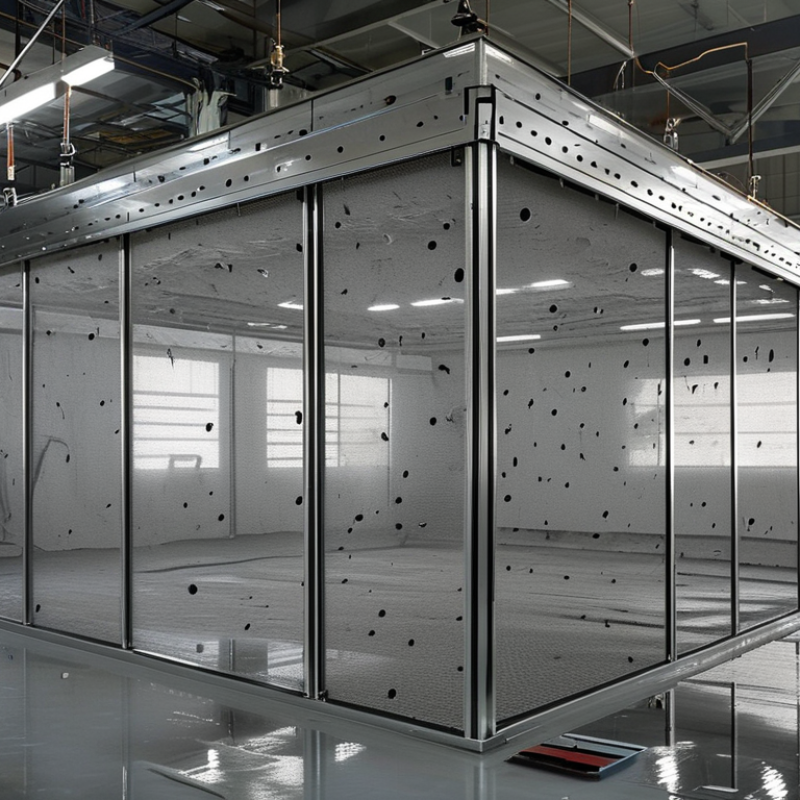
Understanding the Concept of Spray Booth Ceiling Filters
A spray booth ceiling filter is essential for maintaining air quality in industrial environments. It works by trapping overspray and particulates that arise during painting processes. These filters are typically positioned at the top of the spray booth. Their design allows for effective airflow while minimizing the escape of harmful substances.
Understanding the importance of these filters is crucial for safety and compliance. Proper maintenance is vital to ensure they function effectively. Regularly inspecting and replacing filters can prevent costly downtime and health hazards. Neglecting this aspect can lead to inefficient air circulation and diminished paint quality.
**Tip:** Ensure you monitor the condition of the ceiling filter weekly. Signs of extensive clogging include visible dust buildup and reduced airflow.
Changing filters on schedule keeps the workspace safe. It also extends the life of the equipment. Pay attention to the specific needs of your working environment to optimize performance.
**Tip:** Document filter replacements and inspections. This can help identify patterns in filter usage and improve overall maintenance strategies.
Components of a Spray Booth Ceiling Filter
A spray booth ceiling filter is essential for maintaining air quality in industrial painting environments. Its main function is to capture airborne particles and contaminants that could affect product quality. The effectiveness of these filters heavily relies on their components. Commonly used materials include polyester, fiberglass, and foam, each designed for specific filtration needs.
The pre-filter layer captures larger particles, extending the lifespan of the main filter. The activated carbon layer often absorbs odors and volatile organic compounds (VOCs). The last layer is typically a high-efficiency particulate air (HEPA) filter, which can trap up to 99.97% of particles measuring 0.3 microns. According to a report by the American Society of Mechanical Engineers, effective air filtration can increase product quality and worker safety by 30%.
Tips for maintaining spray booth ceiling filters include regular inspections. This helps identify clogs before they impact air quality. Replacing filters based on usage and manufacturer's recommendations is crucial. Keep in mind that neglecting filter maintenance can reduce filtration efficiency and airflow.
Using ceiling filters enhances the overall performance of spray booths. However, not all filters are created equal. Choose filters based on specific needs and compliance with local regulations. Consider the balance between filtering efficiency and operational costs. Always stay informed about new materials and technologies that can improve filtration.
How Spray Booth Ceiling Filters Function and Improve Air Quality
Spray booth ceiling filters play a crucial role in maintaining air quality in industrial settings. They capture airborne particles produced during spray painting and other processes. These filters act as a barrier, preventing harmful particles from circulating in the workspace. Without these filters, harmful substances could pose health risks to workers. They effectively trap overspray, dust, and vapors, contributing to a safer environment.
The function of these filters is simple yet effective. Air passes through the filter media, which is designed to capture various particle sizes. As the air is cleansed, it is recirculated back into the booth. This process not only improves the overall air quality but also enhances the efficiency of the spray application. Filters need regular maintenance and replacement to function optimally. Neglecting this can lead to a buildup of contaminants, reducing airflow and air quality.
It's essential to recognize that a spray booth's performance hinges on its filtration system. If the filters are clogged, the entire operation suffers. They need to be checked frequently to ensure they are in good condition. This maintenance aspect often gets overlooked, leading to increased costs and safety hazards. Being vigilant about filter status is key to sustaining a healthy workspace.
Benefits of Using Ceiling Filters in Spray Booths
Using ceiling filters in spray booths offers numerous advantages that can significantly enhance the workspace environment. These filters capture airborne paint particles and contaminants. By doing so, they help maintain clean air, which is vital for workers' health. Clean air leads to better product quality and reduces the risk of defects caused by airborne debris.
Another important benefit is prolonging the lifespan of equipment. When contaminants enter machinery, they can cause malfunctions. Ceiling filters act as a barrier, preventing dirt and dust from damaging critical components. Regularly replacing these filters can prevent costly repairs. Moreover, workers often overlook maintenance schedules. This negligence can result in poor filter performance, ultimately compromising air quality and workflow.
The presence of ceiling filters also raises awareness about safety regulations. Compliance with local air quality standards is crucial. Businesses can showcase their commitment to a healthier work environment. Yet, some operators find it challenging to balance filter efficiency with airflow requirements. This ongoing challenge necessitates a careful evaluation of filter types and placement within the booth. An ongoing dialogue about the importance of these filters can help streamline operations.
Maintenance and Replacement Guidelines for Ceiling Filters
Maintaining spray booth ceiling filters is crucial for ensuring a clean working environment. These filters capture overspray and contaminants, preventing them from circulating. Regular maintenance helps optimize filter performance and prolongs their lifespan. It’s easy to overlook this task, but neglect can result in poor air quality.
Replacement guidelines emphasize checking filters regularly. Inspect them for dirt buildup or damage. A clogged filter reduces airflow, impacting booth efficiency. Change filters based on usage frequency and the type of materials sprayed. In busy workshops, this may mean monthly replacements. However, in lighter applications, replacements can be quarterly.
Documentation of maintenance activities is also essential. Keep track of inspections and replacements. This ensures compliance with safety standards and fosters a more organized workspace. Regular assessments allow for timely updates, preventing larger issues down the line. However, many operators may underestimate the importance of these records. It's a common oversight that can lead to unnecessary problems.
Maintenance Frequency of Spray Booth Ceiling Filters
FAQS
: It is a filter that maintains air quality by trapping overspray and particulates during painting.
They ensure safety and compliance by improving air quality and preventing health hazards.
Check the filters weekly for dust buildup and airflow reduction.
Neglect can cause inefficient air circulation and affect paint quality.
They prevent contaminants from damaging machinery, reducing the need for costly repairs.
Yes, overlooking maintenance can lead to compromised air quality and productivity.
Record replacements and inspections to identify usage patterns and improve strategies.
Yes, balancing air quality with airflow requirements can be difficult and requires evaluation.
They help businesses comply with air quality standards, promoting a healthier work environment.
Ongoing discussions about filter importance can help enhance operations and maintain air quality.
Conclusion
A Spray Booth Ceiling Filter is an essential component in maintaining air quality within spray booths. These filters work by capturing airborne particles, overspray, and contaminants, ensuring a cleaner environment for both the application process and the surrounding area. The primary components of a spray booth ceiling filter include a filtration medium designed to trap various pollutants, which can significantly improve overall air quality and safety for workers.
Utilizing spray booth ceiling filters offers numerous benefits, including reduced workplace hazards and enhanced paint finish quality. Regular maintenance and timely replacement of these filters are crucial for optimal performance, ensuring that they continue to effectively filter out harmful substances while prolonging the lifespan of the spray booth. Proper understanding and care of spray booth ceiling filters contribute to a safer and more efficient working environment.

 LJF Air FILTER