In industrial settings, cleanliness and efficiency are paramount. The Paint Arrestor Floor Filter plays a vital role in maintaining a safe and clean workspace. This specialized filter captures overspray and particulate matter during painting processes, helping to prevent contamination and ensuring compliance with safety standards.
Choosing the right Paint Arrestor Floor Filter can be challenging. Many factors come into play, including filter material, thickness, and application. It's essential to understand the specific needs of your environment. Not all filters perform the same in every situation.
Investing in high-quality filters can lead to long-term benefits, but it may also require a thoughtful evaluation of options. Balancing cost with effectiveness is a key consideration. Reflecting on the specific needs of your operations may reveal areas for improvement. An informed choice can significantly enhance your workspace's safety and efficiency.
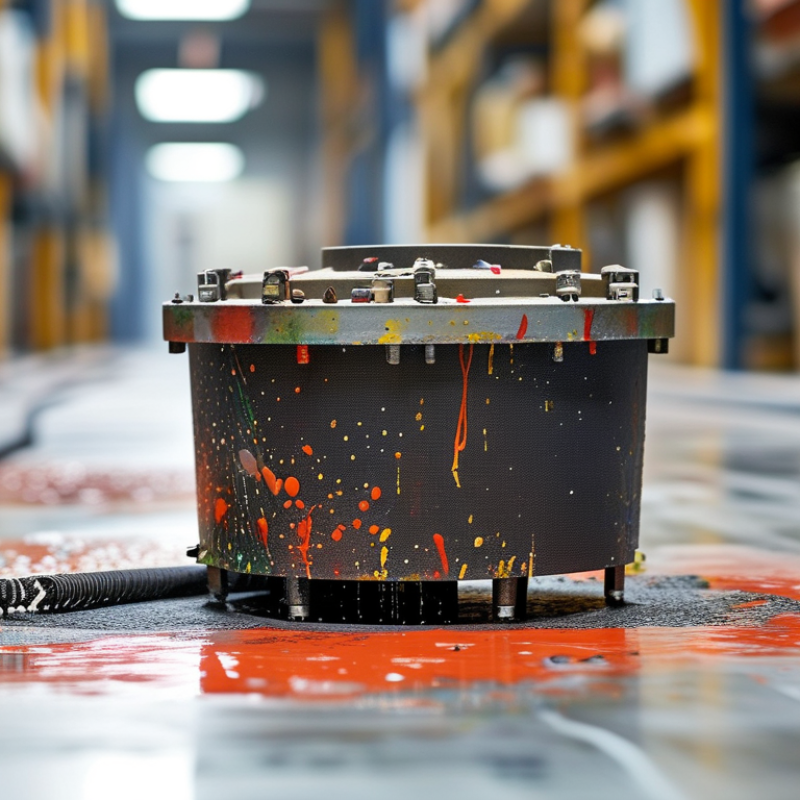
A Paint Arrestor Floor Filter is essential in industrial settings where paint spraying occurs. This filter effectively captures overspray particles, ensuring a cleaner workspace. It plays a vital role in reducing airborne contaminants, which can harm both workers and the environment. According to industry reports, up to 80% of hazardous materials can be filtered out using high-quality paint arrestor filters.
Choosing the right filter involves understanding various specifications. Look for filters with high efficiency ratings, usually above 99%. This ensures optimal performance. Additionally, considering the filter's thickness is crucial. Thicker filters tend to have a larger absorption capacity, trapping more overspray. It’s interesting to note that some manufacturers recommend routine inspections, which often reveal that filters are underperforming even within a few weeks of use.
Despite their effectiveness, some facilities overlook the importance of proper maintenance. Regular replacement is vital for maintaining air quality. Many users fail to track filter lifespan, leading to reduced efficiency over time. This can result in increased costs and safety hazards. Engaging with professionals can help ensure better filter selection and maintenance practices.
Paint arrestor floor filters play a crucial role in industrial environments where painting takes place. These filters capture airborne paint overspray, improving air quality and ensuring a safer workspace. According to the Environmental Protection Agency (EPA), improper paint overspray management can lead to significant air pollution, directly affecting worker health and the surrounding community. Investing in high-quality filters helps mitigate these risks while ensuring compliance with safety regulations.
Choosing the right paint arrestor filter requires understanding the specific needs of your facility. Consider the type of painting operations performed, the volume of paint used, and the airflow requirements. Reports indicate that facilities using appropriate filtration can reduce VOC emissions by over 90%. This substantial reduction contributes to a healthier environment for both employees and nearby residents.
It's essential to regularly maintain and replace filters. Neglecting this can lead to decreased efficiency and increased safety hazards. Keeping a maintenance schedule can help ensure optimal performance and compliance. Always consult industry guidelines when selecting a filter to ensure it meets the required standards.
When choosing a paint arrestor floor filter, key features play a vital role in ensuring effectiveness and safety. The material of the filter is crucial. High-efficiency filters can trap smaller particles, preventing them from contaminating the workspace. Look for filters made from non-combustible material. This feature reduces the risk of fire hazards in paint operations.
Ventilation compatibility is another essential factor. Ensure the filter works seamlessly with your ventilation system. A mismatched filter can cause airflow issues, reducing overall efficiency. Filters also vary in thickness. Thicker filters may offer better particle retention, but they could obstruct airflow. It's important to strike a balance.
Consider the maintenance needs of the filter. Regular inspections and replacements are necessary to maintain optimal performance. Periodically check for signs of clogging. A plugged filter can lead to inadequate air quality and increased operational costs.
Implementing the right filter can greatly improve your workspace environment. Keeping your floor filter clean minimizes fire risks. It protects both employees and equipment from harmful substances. Watch for signs of wear or fatigue. A proactive approach ensures you choose a filter that meets your specific needs.
When it comes to selecting a paint arrestor floor filter, understanding the different types available is crucial. These filters are designed to capture paint overspray and prevent it from contaminating the environment. There are several categories of filters, each with its own features and benefits.
One common type is the polyester filter. It is economical and highly efficient in collecting particles. However, some users may find it lacks durability over time. Another option is the fiberglass filter, known for its excellent filtration capabilities. These can handle heavier overspray but may require more frequent replacements due to wear.
There are also high-efficiency particulate air (HEPA) filters. These are ideal for environments where precision is key. They can remove even the smallest particles effectively. However, they tend to be more costly and may restrict airflow more than other types. It's vital to assess your specific needs and environment when choosing a filter. Each type has its trade-offs, and understanding these can help you make an informed decision.
To maintain the effectiveness of paint arrestor floor filters, regular maintenance is essential. Cleaning filters every month is a good practice. Dust and paint accumulate quickly, leading to reduced airflow. The National Air Filtration Association suggests that clogged filters can decrease efficiency by up to 30%. This can increase operational costs and compromise air quality.
Visual inspections are another crucial maintenance step. Look for tears or wear in the filter material. Even small damages can significantly decrease filter performance. As noted by industry reports, a well-maintained filter can capture up to 95% of airborne particulates. However, ignoring maintenance can result in inefficiencies and even harm equipment function.
While it might seem straightforward, ensuring proper seal and fit of filters is often overlooked. Gaps can allow unfiltered air to enter. This oversight can lead to more frequent breakdowns. Keeping a maintenance log can help track when filters were last checked or changed. Consistency in maintenance leads to better indoor air quality and equipment longevity.
rrestor Floor Filter?
They improve air quality and reduce airborne contaminants harmful to workers and the environment.
High efficiency ratings above 99% and a thicker design for greater absorption capacity are essential.
Regular replacements are vital to maintain air quality and prevent reduced efficiency.
Neglecting maintenance can lead to safety hazards and increased operating costs over time.
Yes, polyester, fiberglass, and HEPA filters offer various benefits depending on your filtration needs.
Many users fail to track filter lifespan, leading to inefficiency and potential health risks.
Assess the type of painting operations, paint volume, and specific airflow requirements.
They often come at a higher cost and may restrict airflow in some environments.
Yes, engaging experts can enhance filter selection and maintenance practices effectively.
A Paint Arrestor Floor Filter is an essential component in industrial environments where paint application occurs, as it helps capture airborne particles and overspray, ensuring a cleaner work atmosphere. These filters not only improve air quality but also comply with environmental regulations, making them vital for operational efficiency and safety.
When selecting a Paint Arrestor Floor Filter, it's important to consider key features such as filtration efficiency, material durability, and ease of maintenance. Various types of filters are available in the market, each designed to meet specific needs based on the volume and type of paint used. Regular maintenance is crucial to ensure the effectiveness of these filters, involving timely inspections and replacements as needed, which contributes to their long-term performance and reliability in industrial settings.

LJF Air FILTER