Why is HVAC Filter Maintenance Essential for Indoor Air Quality?

Time:2026-06-01 Author:Sienna
0%

Indoor air quality significantly impacts our health and well-being. According to the Environmental Protection Agency (EPA), indoor air can be two to five times more polluted than outdoor air. A major factor in maintaining good indoor air quality is regular HVAC filter maintenance. HVAC filters trap dust, allergens, and pollutants, ensuring cleaner air circulates in our homes and workplaces.

Many homeowners overlook the importance of HVAC filters. Reports suggest that nearly 30% of HVAC systems fail due to improper maintenance. This can lead to poor air quality and increased energy costs. Dirty filters reduce airflow, forcing systems to work harder, which leads to higher energy use and costs. Regularly changing or cleaning HVAC filters can improve air quality and system efficiency.

Investing time in HVAC filter maintenance is crucial for healthier indoor environments. It not only enhances air quality but also prolongs the life of the HVAC system. Neglecting this aspect can lead to more significant issues down the line. Therefore, understanding and implementing proper HVAC filter maintenance is essential for all homeowners.
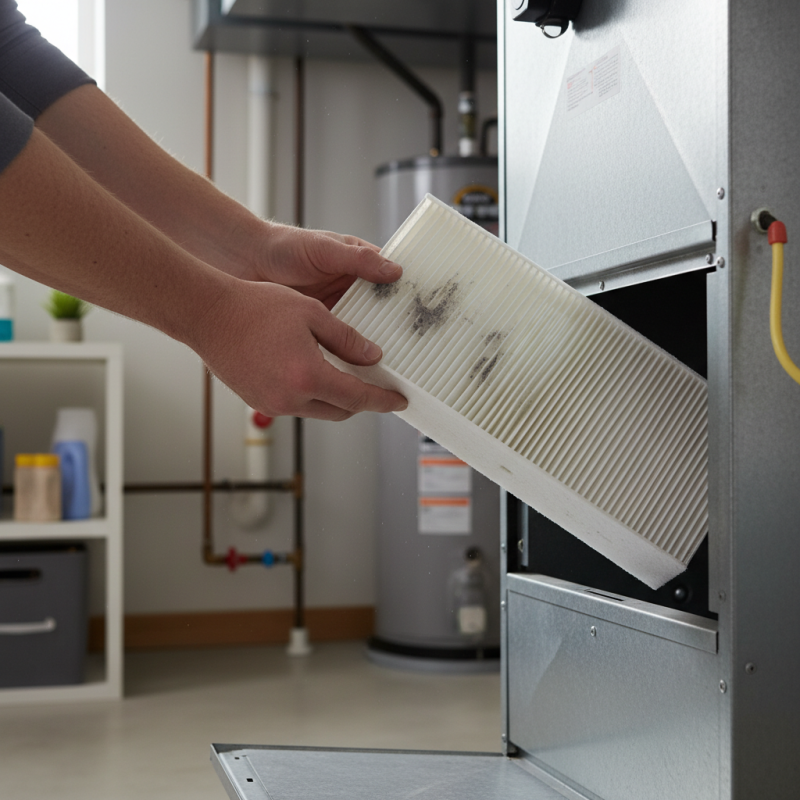
Why is HVAC Filter Maintenance Essential for Indoor Air Quality?

Importance of HVAC Filters in Maintaining Indoor Air Quality

HVAC filters play a critical role in enhancing indoor air quality. According to the U.S. Environmental Protection Agency, indoor air can be 2 to 5 times more polluted than outdoor air. This elevated pollution level can stem from dust, allergens, and other airborne contaminants that HVAC filters are designed to capture. Maintaining these filters ensures cleaner air in homes and workplaces, contributing to better overall health and comfort.

Regular filter maintenance is essential. A clogged filter can restrict airflow and lead to poor air quality. In fact, the American Lung Association reports that improper ventilation can worsen respiratory conditions. Homeowners should check filters monthly and replace them every three months or sooner if needed.

**Tip:** Use high-efficiency particulate air (HEPA) filters for superior filtration. They capture up to 99.97% of particles, including pollen and pet dander.

Another area to reflect on is the filter size. Many overlook the dimensions, but incorrect sizes can compromise air filtration efficiency. Ensure your filters fit snugly to prevent unfiltered air from circulating.

**Tip:** Keep a calendar reminder for filter changes to ensure timely maintenance. Regular checks empower you to take control of your indoor air quality.

HVAC Filter Maintenance and Indoor Air Quality

How HVAC Filters Affect Airborne Pollutants and Allergens

HVAC filters play a crucial role in the quality of indoor air. They trap airborne pollutants, dust, and allergens, ensuring cleaner air in your home. The right filter can capture particles as small as 0.3 microns. This includes pollen, pet dander, and mold spores. Regular maintenance of these filters can significantly reduce the number of irritants in the air.

When filters become clogged, their efficiency drops. This can lead to increased allergens circulating through the air. Many people underestimate the impact that dirty filters have on their health. Even a small increase in allergens can cause discomfort for those with allergies or asthma. Ignoring filter maintenance often means more frequent health issues.

Being aware of filter replacement schedules is essential. Some filters need replacement every month, while others may last up to three months. Homeowners should regularly check their filters for dirt and damage. Clean filters not only improve air quality but also enhance the efficiency of the HVAC system. It’s a simple step, but neglecting it can lead to greater problems down the line.

Recommended Frequency for HVAC Filter Replacement and Maintenance

Maintaining your HVAC filters is crucial for achieving optimal indoor air quality. According to the Environmental Protection Agency (EPA), poor indoor air quality can significantly impact health. In fact, it can contribute to respiratory issues and allergies. Regular maintenance of HVAC filters is key to preventing these problems.

The recommended frequency for replacing HVAC filters can vary. Generally, experts suggest changing the filters every one to three months. Factors such as pet ownership, smoking, and local air quality should also be considered. Homes with pets may require more frequent changes, possibly every month. Neglecting filter maintenance can lead to reduced airflow. This may cause the system to work harder and increase utility bills.

Monitoring filter conditions is essential. Some systems come with indicators for filter status. If you notice an increase in dust or allergens, it may be time to check your filters. A dirty filter can trap pollutants and decrease air quality. It's vital to stay proactive rather than reactive when it comes to HVAC maintenance. Regular inspections can prevent bigger issues down the road.

Types of HVAC Filters and Their Impact on Air Quality

HVAC filters play a crucial role in maintaining indoor air quality. Different types of filters vary significantly in their efficiency and functionality. For instance, HEPA filters are renowned for their ability to capture 99.97% of particles as small as 0.3 microns. This includes allergens like pollen and pet dander, which can trigger respiratory issues. In contrast, standard fiberglass filters might only capture larger particles. This disparity highlights the importance of selecting the right filter type for optimal air quality.

MERV ratings determine filter efficiency; higher ratings correlate with better filtration. A filter with a MERV rating between 1 and 4 traps large particles but does little for smaller contaminants. Filters rated between 5 and 8 offer a balance, trapping allergens and dust while maintaining airflow. However, they may also lead to increased resistance on the HVAC system if not maintained regularly. Reports indicate that a clogged filter can reduce system efficiency by up to 15%. This translates to higher energy costs and potential wear on the system.

It's vital to consider the environment when choosing filters. Homes with pets or smokers may require more robust filtration. Regular maintenance is essential to ensure filters operate effectively. Neglecting this can worsen air quality and pose health risks. Balancing filter efficiency and system performance is a common challenge, but addressing it can lead to healthier indoor spaces.

Best Practices for HVAC Filter Maintenance to Ensure Efficiency

Regular HVAC filter maintenance is crucial for ensuring indoor air quality. Clogged or dirty filters can trap dust, allergens, and pollutants, leading to reduced airflow. This can put unnecessary strain on your HVAC system. Over time, this might lead to costly repairs or replacements.

To maintain your filters effectively, check them monthly. Look for visible dust or discoloration. Depending on usage, you might need to replace them every 1-3 months. Ensure the filters fit snugly in the HVAC unit. A loose fit can lead to air bypassing the filter, which defeats its purpose.

Consider using high-efficiency particulate air (HEPA) filters. They capture smaller particles better than standard filters. However, be aware that these filters may restrict airflow more. You might need to adjust your system or upgrade it for optimal performance. Balancing efficiency and effectiveness can be challenging, yet it is necessary for better air quality. Regularly schedule professional maintenance to assess airflow and system health.

Why is HVAC Filter Maintenance Essential for Indoor Air Quality? - Best Practices for HVAC Filter Maintenance to Ensure Efficiency

Dimension Impact on Indoor Air Quality Recommended Maintenance Frequency Best Practices
Filter Type Different filters capture varying levels of particles and allergens Change every 1-3 months Use HEPA filters for superior filtration
Filter Cleanliness Clogged filters reduce airflow and efficiency, increase pollutants Check monthly, clean as needed Rinse washable filters according to manufacturer guidelines
System Type Central HVAC systems need consistent maintenance to ensure air quality Annual professional check-up recommended Schedule regular inspections for ducts and vents
Humidity Control Maintaining humidity levels can reduce mold and bacteria growth Monitor regularly, adjust based on season Use dehumidifiers if necessary, especially in damp areas
Ventilation Adequate ventilation improves air quality by circulating fresh air Check exhaust systems bi-annually Ensure vents are unblocked for optimal airflow

FAQS

: How often should I replace my HV

C filters?

What factors affect filter replacement frequency?

Pet ownership, smoking, and local air quality can increase replacement needs.

What happens if I neglect filter maintenance?

Neglect can reduce airflow and increase utility bills due to extra system strain.

How can I monitor my filter's condition?

Some systems have indicators, but check for dust or allergens regularly.

What types of HVAC filters are most effective?

HEPA filters capture 99.97% of particles, making them very effective for air quality.

What do MERV ratings indicate?

MERV ratings measure filter efficiency; higher ratings mean better filtration of smaller particles.

Why is a snug filter fit important?

A loose filter can allow air to bypass it, rendering it ineffective.

Can using high-efficiency filters restrict airflow?

Yes, high-efficiency filters might restrict airflow, necessitating system adjustments.

What are common issues with clogged filters?

Clogged filters can reduce system efficiency by up to 15%, increasing energy costs.

How can I ensure my HVAC system runs optimally?

Regular inspections and professional maintenance help maintain airflow and system health.

Conclusion

Maintaining HVAC filters is crucial for ensuring optimal indoor air quality. These filters play a vital role in trapping airborne pollutants and allergens, which can significantly affect health. Regular maintenance and timely replacement of HVAC filters help minimize the accumulation of dust, pet dander, and other harmful particles, contributing to a healthier living environment.

To maximize efficiency, it is recommended that HVAC filters be replaced according to a specific schedule, typically every 1 to 3 months, depending on usage and the type of filter. There are various types of HVAC filters available, each impacting air quality differently, so selecting the right one is essential. Implementing best practices for HVAC filter maintenance not only improves air quality but also enhances the overall efficiency of the HVAC system, leading to better performance and cost savings.

Sienna

Sienna

Sienna is a skilled marketing professional with a deep expertise in our company’s core products and services. With a passion for innovation and detail, she plays a pivotal role in crafting insightful blog posts that not only highlight the unique features of our offerings but also provide valuable......