How to Choose the Right Ceiling Air Filter for Your Needs?

Time:2026-06-16 Author:Liam
0%

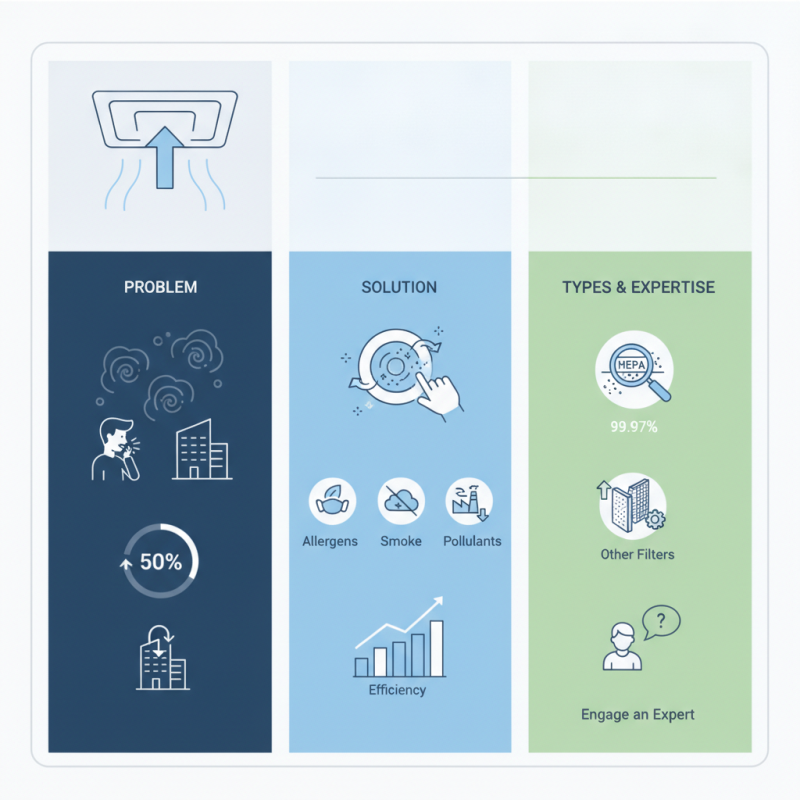
Choosing the right Ceiling Air Filter can significantly impact indoor air quality and overall health. According to a recent report by the Indoor Air Quality Association, over 50% of commercial buildings have inadequate ventilation, leading to an increase in airborne contaminants. Dr. Emily Carter, a renowned air quality expert, states, "The right filter not only cleans the air but also enhances the efficiency of the HVAC system."

Selecting a Ceiling Air Filter involves understanding various factors. These include filter type, material, and efficiency ratings. A HEPA filter, for instance, can capture 99.97% of particles, according to the U.S. Environmental Protection Agency. However, not all settings require a HEPA filter. Over-filtering can sometimes strain HVAC systems, causing inefficiencies.

It's essential to reflect on specific needs before making a choice. What is the primary source of contamination in your environment? Do you need a filter that addresses allergens, smoke, or pollutants? Engaging with an expert in the field can help clarify these considerations and lead to a more informed decision.
How to Choose the Right Ceiling Air Filter for Your Needs?

Understanding the Types of Ceiling Air Filters Available

When choosing a ceiling air filter, understanding the types available is crucial. Ceiling air filters are designed to improve indoor air quality by removing contaminants. Common types include HEPA, electrostatic, and activated carbon filters. Each has its unique benefits.

HEPA filters capture over 99% of particles down to 0.3 microns. They are highly effective for allergens. According to the U.S. Environmental Protection Agency (EPA), using HEPA filters can significantly reduce airborne particles. This is essential in spaces with high foot traffic or sensitive individuals. However, they can also be costly and need regular replacement.

Electrostatic filters are another option. They use static electricity to trap particles. These filters can be washable, saving money over time. Reports suggest they perform well against dust and smoke particles. However, their effectiveness can diminish if not maintained properly.

Activated carbon filters are ideal for odors. They work through adsorption, capturing volatile organic compounds. These filters help in environments with high chemical exposure, but their lifespan can be short if not paired with other filters. Selecting the right filter depends on specific needs and environments. Each type has strengths and weaknesses that require careful consideration.

How to Choose the Right Ceiling Air Filter for Your Needs? - Understanding the Types of Ceiling Air Filters Available

Filter Type Efficiency (%) Lifespan (Months) Particle Size Removed (µm) Ideal for
HEPA Filter 99.97 12 0.3 Allergies, Asthma
Activated Carbon Filter N/A 6 N/A Odor Control
Washable Filter 85 24 5 Cost Effectiveness
Electronic Air Filter 95 12 0.3 Fine Particles, Smoke

Assessing Your Specific Air Quality Needs and Requirements

Assessing your specific air quality needs is crucial when selecting a ceiling air filter. Various environments have different air pollution levels. For instance, the EPA states that indoor air can be up to five times more polluted than outdoor air. Each space, from a home to an office, may require a different approach based on factors such as allergens, smoke, or industrial pollutants.

Understanding what you need is essential. If allergies are a concern, HEPA filters can trap up to 99.97% of particles as small as 0.3 microns. On the other hand, spaces near industries may benefit from activated carbon filters that absorb volatile organic compounds (VOCs). According to studies, using the right filter can significantly reduce harmful particles, which can lead to improved respiratory health.

Evaluating the size of the space and the filter's CADR (Clean Air Delivery Rate) is also important. A filter with a suitable CADR ensures effective air purification. However, many consumers overlook this factor, leading to inadequate air quality. Realistically, achieving perfect air quality may not be feasible, but continuous improvement can be made with the right information and choices.

Evaluating Filter Efficiency Ratings and Specifications

When selecting a ceiling air filter, understanding its efficiency ratings is crucial. These ratings, often indicated as MERV (Minimum Efficiency Reporting Value), range from 1 to 20. A higher MERV rating signifies better filtration, capturing smaller particles. Typically, a rating of 8 to 13 is suitable for residential use, while commercial settings may require filters rated above 13.

It's essential to consider the specific needs of your environment. For instance, homes with pets or allergies may benefit from filters that capture pet dander and pollen. A MERV rating of 11 or higher could dramatically improve indoor air quality. However, higher efficiency filters can restrict airflow, potentially causing strain on HVAC systems.

Choosing the right filter involves balancing efficiency with practicality. Some filters may show great specifications on paper but underperform in real-life conditions. It’s wise to read user reviews and consult HVAC professionals for insights. Understanding your specific air quality needs can lead to more informed decisions.

Considering Installation and Maintenance Factors

When choosing a ceiling air filter, consider installation and maintenance. The placement of the filter is crucial for its performance. Ensure it fits well within the designated space. A poorly fitted filter may not capture all contaminants. Installation often requires basic tools. If unsure, consult an expert for assistance. This can save time and ensure proper setup.

Maintenance is equally important. Regularly check and replace filters to maintain optimal air quality. Neglecting maintenance can lead to reduced efficiency. Dust and allergens can accumulate quickly, affecting your health. Some filters have indicator lights for replacements. Others require manual checks. Set reminders for yourself to perform these tasks. Consider ease of access when installing to simplify future maintenance.

Reflect on your specific air quality needs. An efficient filter system reduces pollutants but requires effort to maintain. Lack of proper maintenance can compromise air quality. Installing a high-quality filter is a step in the right direction, yet it demands ongoing attention. Be proactive and stay informed about the needs of your filter to ensure long-lasting performance.

Air Filter Efficiency vs. Maintenance Frequency

Budgeting for Ceiling Air Filters: Costs and Long-Term Savings

When budgeting for ceiling air filters, understanding costs is essential. Basic filters are affordable, but they often lack efficiency. Choose products that fit your air quality needs and budget. Upfront costs can vary significantly. Some filters might appear expensive, but they promise longer life and better performance.


Long-term savings should guide your decisions. High-quality filters reduce energy costs and maintenance. They can capture more pollutants, improving indoor air quality. This can lead to fewer health issues. Consider the frequency of replacement as well. Regularly changing common filters can add up over time.


Think about a filter's efficiency rating as well. A higher rating may cost more initially but can lead to savings on energy bills. It’s a trade-off between upfront cost and future savings. Investing wisely in ceiling air filters can be a proactive choice for your health and wallet. Balancing cost with effectiveness might require some trial and error.

FAQS

: What types of ceiling air filters are available?

: Common types include HEPA, electrostatic, and activated carbon filters. Each serves specific air quality needs.

How effective are HEPA filters?

HEPA filters capture over 99% of particles down to 0.3 microns. They are excellent for allergies.

What are the benefits of electrostatic filters?

Electrostatic filters trap particles using static electricity. They can often be washed, saving costs over time.

How do activated carbon filters work?

Activated carbon filters capture odors through adsorption. They help with volatile organic compounds in certain environments.

What should I consider for installation?

Ensure the filter fits well in the space. A poor fit may reduce its ability to capture contaminants.

Why is maintenance important for air filters?

Regularly checking and replacing filters is crucial. Neglect can lead to reduced efficiency and air quality issues.

How can I save money on filters?

Consider higher-rated filters. They might cost more upfront but can reduce energy costs and health issues long-term.

Are basic filters worth the cost?

Basic filters are affordable but often lack efficiency. Investing in better options may result in long-term savings.

How can I remind myself to maintain my filter?

Setting reminders for checks and replacements helps. Make accessing the filter easy for regular maintenance.

What if my filter needs maintenance?

Lack of proper care can compromise air quality. Proactive attention ensures effective filtration over time.

Conclusion

Choosing the right Ceiling Air Filter involves understanding the various types available in the market, which can significantly impact air quality depending on their design and function. Assessing specific air quality needs is crucial, as different environments may require distinct filtration capabilities. Evaluating the efficiency ratings and specifications of filters helps ensure optimal performance, while also considering installation and maintenance factors to avoid future complications.

Budgeting for Ceiling Air Filters is an important aspect, as initial costs can vary widely. However, investing in a high-quality filter can lead to long-term savings by improving energy efficiency and reducing health-related expenses associated with poor air quality. By taking these considerations into account, you can select the most suitable Ceiling Air Filter that meets your specific requirements effectively.

Liam

Liam

Liam is a dedicated marketing professional with a profound expertise in the industry, where he excels at highlighting the unique advantages of our core products. With a keen understanding of market trends and consumer needs, Liam frequently updates our company’s professional blog, providing......