How to Choose the Best Spray Booth Paint Filter for Your Needs?

Time:2026-05-05 Author:Amelia
0%

Choosing the right Spray Booth Paint Filter is crucial for achieving high-quality finishes. Expert John Smith, a leading authority in spray booth technology, emphasizes, "A filter can make or break your spray job." Selecting the appropriate filter affects paint application, air quality, and overall project outcomes.

Different filters serve various purposes. Some focus on trapping overspray, while others filter out particles from the air. Understanding your specific needs is essential. Factors like booth type, paint materials, and local regulations play significant roles. A mismatch can lead to inefficient finishes or increased costs.

Consider potential pitfalls when choosing a Spray Booth Paint Filter. It's easy to overlook the importance of maintaining filters. Neglected filters can impair airflow, leading to poor paint adhesion and defects. Reflect on your choices and how they impact your work quality and safety. Each project deserves a thoughtful approach to filtering needs.
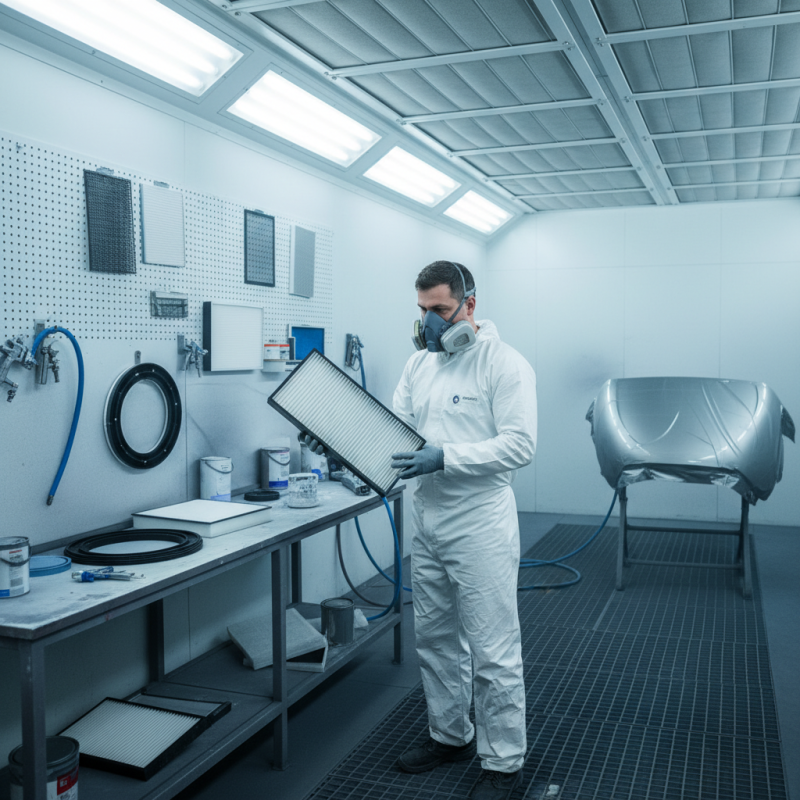
How to Choose the Best Spray Booth Paint Filter for Your Needs?

Understanding the Function of Spray Booth Paint Filters

Spray booth paint filters play a crucial role in maintaining air quality and protecting the health of operators. These filters capture overspray, dust, and other contaminants from spray applications. According to industry reports, filters can remove up to 95% of particles, making air within the booth safer to breathe. The quality of your filter directly influences the paint finish and the environment.

Different types of filters are available, including paper, polyester, and activated carbon options. Paper filters are cost-effective but may require more frequent changes. Polyester filters last longer but can be more expensive upfront. Understanding your specific application helps identify the right filter type. For example, a facility that frequently tackles large projects may need a more durable solution. On the other hand, smaller operations might prioritize cost-effectiveness.

Aside from efficiency, the choice of paint filter should consider compatibility with various coatings. Some filters may react poorly with specific paint chemicals. It's essential to refer to manufacturer guidelines to avoid costly mistakes. Regular maintenance checks are also necessary. Over time, clogged filters not only hinder performance but can also release contaminants back into the environment, demanding a careful assessment of your filtration needs.

Types of Spray Booth Paint Filters and Their Applications

Choosing the right spray booth paint filter is crucial for optimal performance. Different filters serve various applications. For instance, particulate filters are great for capturing large particles. They are often used in general painting operations. They can improve air quality, reducing health risks for workers.

Activated carbon filters offer more advanced options. They help to remove volatile organic compounds (VOCs) from the air. This is essential in environments with high chemical usage. Data indicates that VOCs can significantly impact indoor air quality, leading to respiratory issues.

**Tip:** Always assess the specific needs of your spray booth before making a choice. Not every filter suits every situation.

There are also electrostatic filters. These enhance particle capture efficiency by using an electric charge. They can trap smaller particles that standard filters might miss. However, they often require more maintenance.

**Tip:** Regularly check filter condition. A clogged filter can lead to poor airflow and reduced paint quality.

How to Choose the Best Spray Booth Paint Filter for Your Needs? - Types of Spray Booth Paint Filters and Their Applications

Filter Type Material Efficiency Application Maintenance Frequency
Pre-Filter Synthetic Fibers 70-80% Large Particulate Matter Weekly
Paint Stop Filter Cellulose/Cotton 90-95% Overspray Capture Every 2-4 weeks
HEPA Filter Glass Fiber 99.97% Fine Particulates Monthly
Activated Carbon Filter Activated Carbon Variable Odor Control Every 3-6 months

Key Factors to Consider When Selecting a Paint Filter

Choosing the right spray booth paint filter is crucial for achieving high-quality finishes. Key factors to consider include filter material, airflow design, and filter efficiency. Each element plays a significant role in the overall performance of your paint booth.

When selecting a filter material, look for options that can effectively capture particulate matter. Some filters are designed for specific types of paint. Understanding your spray booth's needs is vital. Consider how frequently you paint and the types of substances involved.

Tips: Regularly check and replace your filters. This will maintain optimal airflow. A clogged filter impacts paint quality. Additionally, assess the filter's dust-holding capacity. A higher capacity can prolong performance between changes.

Don't forget about airflow design. Filters with poor airflow can lead to uneven paint application. Experiment with different designs to find the one that suits your setup best. This may require some trial and error, but it’s essential for achieving quality results. A little research can drastically improve your booth’s effectiveness.

Evaluating Filter Efficiency and Lifespan

When choosing a spray booth paint filter, filter efficiency and lifespan are crucial factors. High-efficiency filters can trap more particles. This capability reduces emissions and improves air quality. However, efficiency often comes with a cost. Filters that capture finer particles may need to be replaced more frequently. This increased replacement frequency can raise operating expenses over time.

Lifespan varies between filter types. Some filters perform well for a limited number of hours or days. Others may last longer, but could have lower efficiency. It’s essential to balance these aspects. Assess your usage needs. Will you use the booth daily or just occasionally? Understanding your workload helps determine which filter fits best.

Regularly monitoring filter performance is also vital. Check for visible dust accumulation or airflow reduction. These signs indicate the filter may need replacement soon. Filters are not one-size-fits-all; each application is different. Reflecting on your specific needs and circumstances leads to better choices. Ultimately, choosing the right filter improves safety and enhances the quality of your work.

Maintenance and Replacement Tips for Spray Booth Filters

Choosing the right spray booth filter is crucial for optimal paint application. Proper maintenance of these filters is often overlooked. Regular cleaning can extend the filter's lifespan. Check the filter for clogs and build-up. A dirty filter will not perform effectively.

Replacement is equally important. Depending on the booth's usage, filters should be changed regularly. A good rule of thumb is to replace them every few weeks. However, look for signs of wear. Discoloration or damage indicates it’s time for a change. Keeping records can help track when replacements are due.

Neglecting filter maintenance can lead to poor paint finishes. Inconsistent airflow may affect the painting process. Filters are the first line of defense against contaminants. The wrong choice or lack of care can result in costly errors. Regular checks and timely replacements keep your spray booth running smoothly.

Spray Booth Paint Filter Efficiency by Type

FAQS

: What is the role of spray booth paint filters?

: Spray booth paint filters maintain air quality and protect operator health by capturing overspray and contaminants.

How effective are spray booth filters?

Filters can remove up to 95% of particles, improving the air quality within the booth significantly.

What types of spray booth filters are available?

Common types include paper, polyester, and activated carbon filters, each with different costs and efficiencies.

How does filter choice impact my operation?

The right filter type depends on your project size. Larger projects may need durable filters; smaller jobs may prioritize cost.

Why is regular maintenance important for spray booth filters?

Regular maintenance prevents clogs, extends filter life, and ensures optimal performance during paint application.

How often should I replace my spray booth filters?

Filters should ideally be replaced every few weeks, but check for signs of wear or damage to determine the need.

What should I monitor to assess filter performance?

Look for visible dust accumulation and decreased airflow, as these indicate the need for replacement.

Are all filters compatible with every type of paint?

No, some filters may react poorly to certain paint chemicals. Always refer to guidelines to avoid mistakes.

What can happen if I neglect filter maintenance?

Neglecting maintenance can lead to poor paint finishes, inconsistent airflow, and costly errors in the painting process.

How can I better understand my filter needs?

Reflect on your usage patterns and workload. Specific needs will lead to better filter choices and enhanced work quality.

Conclusion

Choosing the right Spray Booth Paint Filter is essential for ensuring a clean and efficient painting environment. Understanding the function of these filters, which eliminate contaminants and assist in maintaining air quality, is the first step. Various types of spray booth paint filters are available, each designed for specific applications, ranging from high-efficiency particulate to carbon filters.

When selecting a paint filter, key factors such as filter efficiency, lifespan, and the specific requirements of your spray booth must be considered. Evaluating these factors will help you ensure optimal performance and longevity. Regular maintenance and timely replacement of spray booth filters are also crucial to sustaining their effectiveness and maintaining a safe working atmosphere. By following these guidelines, you can make an informed decision that best suits your needs.


Amelia

Amelia

Amelia is a seasoned marketing professional with a wealth of expertise in our company’s core offerings. With an unwavering passion for driving growth and innovation, she plays a pivotal role in shaping our marketing strategies and enhancing brand visibility. A key aspect of her responsibilities......