Choosing the right Paint Booth Filters is essential for maintaining air quality in painting environments. According to a recent report by the Environmental Protection Agency (EPA), improper filtration can cause 30% more contaminants in the workspace. This can lead to increased health risks for workers and compromised product quality.
Industry expert Dr. John Wilson, a renowned specialist in air filtration technology, emphasizes, "The effectiveness of Paint Booth Filters directly impacts both safety and efficiency." When selecting filters, factors like filter type, efficiency rating, and airflow should be considered carefully.
Many users overlook the lifespan of filters, which can lead to frequent replacements. Additionally, choosing a filter that doesn’t match the booth requirements can result in ineffective air cleaning. Failing to address these elements can hinder performance and increase downtime. Understanding your specific needs is crucial to optimizing your painting operations.
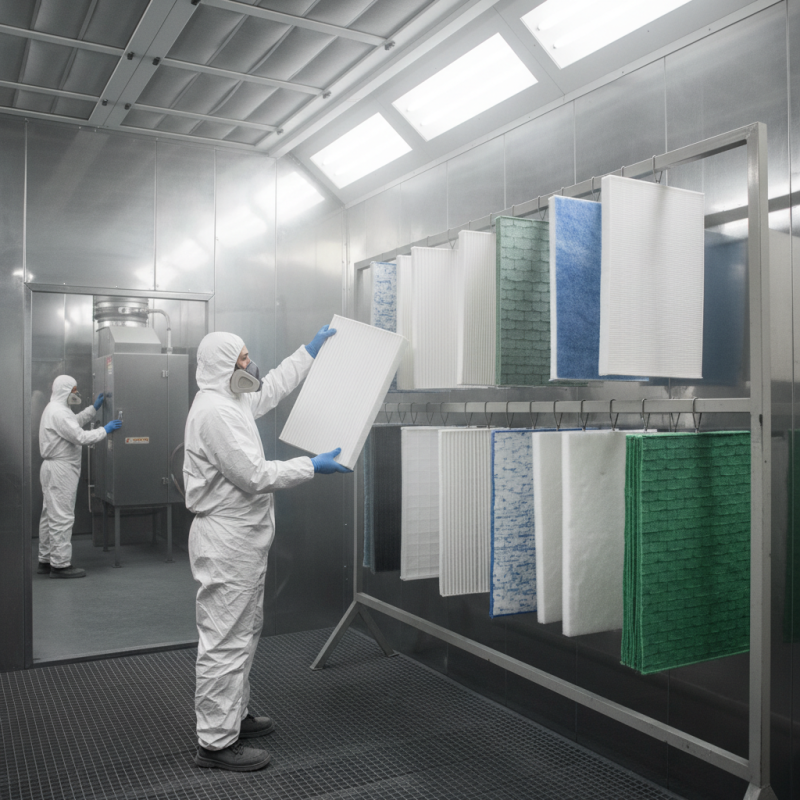
When selecting paint booth filters, understanding the various types available is crucial. Filters vary in material, efficiency, and application. Common types include cartridge filters, particulate filters, and activated carbon filters. Cartridge filters are often used for larger booths, while particulate filters excel in removing dust and paint particles. Activated carbon filters can mitigate odors and harmful gases, making them ideal for environments with chemical vapors.
Tips: Consider the specific needs of your workspace. Assess the type of paint products you use. Some filters perform better with certain finishes or solvents. Regularly check the filter's condition. A clogged filter can hinder airflow and reduce efficiency.
Another consideration is the filter's MERV rating, which indicates its efficiency in trapping particles. Higher MERV ratings mean better filtration but may restrict airflow. Striking the right balance is essential for optimal booth performance. Avoid the temptation to always opt for the most efficient filter. Sometimes, lower-rated filters can be sufficient for specific jobs, reducing costs without sacrificing quality.
When selecting paint booth filters, it’s vital to assess your specific requirements and environment. Different booths have distinct operational needs based on factors like size and flow rate. According to industry studies, choosing the right filter can improve air quality by up to 80%. This is essential for both worker safety and enhancing paint application quality.
Consider the air velocity within your booth. For example, booths with higher airflow rates may require more robust filters to handle particulate load. Standard filters typically remove 30% to 70% of contaminants, but higher-efficiency options can reach up to 99%. However, they may also lead to increased air resistance, impacting overall efficiency. Many facilities report that even minor adjustments in filter grade can lead to notable changes in paint performance.
Reflect on the filtration method best suited for your operations. Paint booths often generate overspray, which can vary significantly between jobs. Analyzing specific paint types and their solvent content is critical. Various filters cater to specific paint chemistry. Using incompatible filters can lead to increased downtime or costly rework. Make sure to evaluate your work methods continuously for improvement.
Choosing the right paint booth filters is vital for optimal performance. When selecting filters, consider the type of particles they capture. Different filters target various contaminants. Some may excel in trapping larger particles, while others are designed for finer aerosol mists.
Airflow resistance is also a significant factor. Filters with high resistance can hinder airflow, reducing efficiency. Opt for filters that balance filtration efficiency with minimal airflow restrictions. Efficiency ratings help determine how well a filter performs. Look for filters that meet your specific air quality needs.
Maintenance is another critical aspect. Consider how often filters need replacing. Some options may boast longer lifespans, yet they may require careful monitoring. It’s essential to strike a balance between cost and effectiveness. Lastly, ensure filters are compatible with the specific paint booth setup. Compatibility can affect overall performance. Thoughtful consideration of these features can enhance your paint booth’s functionality and longevity.
When selecting paint booth filters, it is crucial to evaluate their efficiency and performance ratings. Filters with high efficiency capture more particulate matter, which is essential in maintaining air quality. According to industry reports, HEPA filters achieve efficiencies of up to 99.97% for particles as small as 0.3 microns. This level of performance helps protect both workers and the environment.
Tip: Always check the MERV (Minimum Efficiency Reporting Value) rating. A higher MERV rating indicates better filtering capabilities for paint sprays and dust. Filters with a MERV rating between 8 and 14 are often suitable for most paint booth applications. However, not all high-efficiency filters are suitable for every situation. Sometimes, filters may become clogged quickly, requiring frequent replacements.
Moreover, performance ratings can vary greatly between different types of filters. While some filters excel at trapping larger particles, they may struggle with smaller ones. This inconsistency can lead to unexpected challenges in air quality management. Regular testing and monitoring of filter performance is essential to ensure optimal functioning over time.
Tip: Consider implementing a schedule for filter changes based on usage. This approach can enhance performance and reduce downtime. Always document filter changes and inspect for signs of wear or inefficiency regularly.
Maintaining paint booth filters is essential for optimal performance. Regular upkeep not only improves air quality but also extends the life of the filters. One crucial aspect is cleaning. Depending on your workload, filters may become clogged quickly. Inspect them weekly, especially during busy periods.
Replace filters when they show signs of excessive dirt. A dirty filter can impact the quality of your projects. Consider scheduling replacements based on usage. It may be tempting to push filters too far. But prioritizing this maintenance can save time and money in the long run.
Ensure proper sealing during installation. Leaks can significantly reduce filter efficiency. A well-sealed booth reduces strain on the filters, enhancing their lifespan. Familiarize yourself with the installation process. Even small errors can lead to larger issues later. Take time to reflect on how often you check or replace your filters, as this can indicate whether improvements are necessary.
| Filter Type | Efficiency Rating | Lifespan (Months) | Maintenance Tips |
|---|---|---|---|
| High-Efficiency Particulate Air (HEPA) | 99.97% | 6-12 | Regularly check and replace as needed. |
| Pleated Filters | 85-95% | 3-6 | Inspect for dirt accumulation and replace if necessary. |
| Activated Carbon Filters | Varies | 2-4 | Replace regularly based on odor detection. |
| Fiberglass Filters | 40-60% | 1-3 | Change more frequently in dusty environments. |
| Electrostatic Filters | Up to 95% | 6-12 | Clean according to manufacturer guidelines. |
: High efficiency filters capture more particulate matter, ensuring better air quality for workers and the environment.
Always check the MERV rating. A higher rating means better filtering capabilities for paint sprays and dust.
Filters with a MERV rating between 8 and 14 are often suitable for most paint booth applications.
Some filters may clog quickly, requiring frequent replacements, which can be a hassle for maintenance.
Implement a schedule for filter changes based on usage to enhance performance and minimize downtime.
Inspect filters weekly, especially during busy periods, to catch clogging early and maintain air quality.
Replace filters showing excessive dirt immediately, as a dirty filter can affect project quality.
Poor sealing can lead to leaks, significantly reducing filter efficiency. Take your time during installation.
Document filter changes and regularly check for signs of wear or inefficiency for optimal functioning.
Consider how often you check or replace filters, as this could highlight areas needing improvement.
When choosing the best Paint Booth Filters for your needs, it's essential to understand the various types available and how they fit your specific paint booth requirements and environment. Assessing factors like filter types, efficiency, and performance ratings is crucial to ensure optimal air quality and safety in your workspace.
Key features to consider include the filter’s capacity to capture different paint particles and fumes, compatibility with your booth setup, and ease of maintenance. Regular maintenance is vital for prolonging the life of your Paint Booth Filters, ensuring they continue to perform effectively and maintain a safe working environment. By carefully evaluating these aspects, you can select the most suitable filters to meet your operational needs.

LJF Air FILTER