Choosing the right Paint Booth Fiberglass Filter for your spray painting needs can be a daunting task. With numerous options available, each with different specifications, identifying the best filter can feel overwhelming. A quality fiberglass filter plays a significant role in ensuring clean air circulation and optimal paint finish. The right choice can improve your workspace's safety and efficiency.
Understanding the unique requirements of your paint booth is crucial. Different applications may demand different filter grades and thicknesses. A simple filter may suffice for light work, but more demanding tasks require higher performance filters. Consider the types of materials you will be using, as well as the volume of work.
Take time to investigate various filters and their specifications. Pay attention to the MERV ratings, as they indicate filtering efficiency. Look for brands that are trusted within the industry. However, remember that sometimes, the most expensive option is not necessarily the best. Balance cost and performance. Reflect on feedback from other users to gain insights, but recognize that experiences can vary. Your perfect choice is out there; you just need to find it.
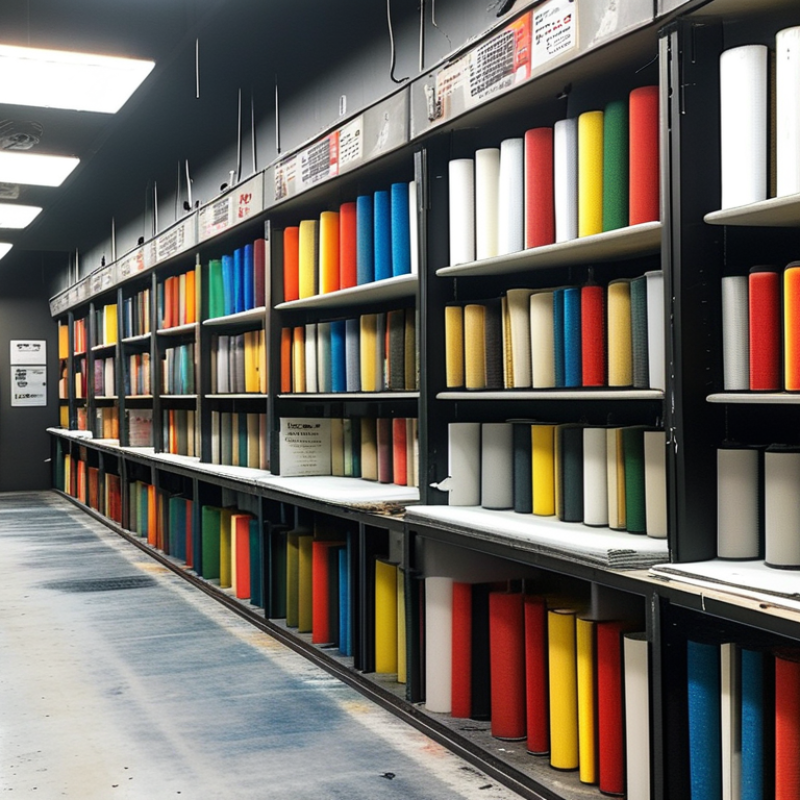
Fiberglass filters play a crucial role in paint booths. They capture overspray and particulate matter during the painting process. By doing so, they help maintain a cleaner environment. This can lead to a better finish and reduce the risk of contamination in your paint jobs. Understanding how these filters work is important for making informed choices.
Choosing the right fiberglass filter involves factors like air flow and filtration efficiency. Look for filters that match the specifications of your paint booth. A filter that is too dense may restrict airflow, while one that is too loose might not capture enough particles. Finding a balance can be challenging.
Regular maintenance of fiberglass filters is essential. Over time, filters become clogged with paint particles. This can affect performance and lead to costly repairs. Inspecting and replacing filters when needed can improve efficiency. Be proactive about maintenance to ensure optimal functioning of your paint booth. Reflect on your current practices and consider ways to enhance them.
| Filter Type | Efficiency Rating | Recommended Use | Lifespan (Hours) | Cost ($) |
|---|---|---|---|---|
| Standard Fiberglass Filter | 85% | General Painting | 100-150 | 15 |
| High-Efficiency Fiberglass Filter | 95% | Automotive Refinishing | 150-200 | 30 |
| Electrostatic Fiberglass Filter | 99% | Industrial Applications | 200-300 | 50 |
| Custom-Size Fiberglass Filter | 90% | Specialized Booths | 120-180 | 25 |
: Fiberglass filters capture overspray and particulate matter, maintaining a cleaner environment for better paint finishes.
Consider air flow and filtration efficiency. Filters must match your paint booth specifications for optimal performance.
Clogged filters can affect performance and lead to costly repairs. Regular checks can enhance efficiency.
Filter type, airflow rate, and condition all influence air quality and paint application results.
This mismatch can reduce filtration efficiency by up to 30%, affecting overall performance.
Check your booth's specifications and measurements. Compatibility ensures efficient air quality and paint application.
Measure your current filters. Use appropriately sized filters; too small won’t perform well, while oversized ones may be hard to install.
Yes, improper filters can lead to air quality issues, resulting in imperfections in the finished product.
Relying solely on manufacturer specifications without practical testing might cause unexpected performance issues.
Reflect on your current routine and consider proactive changes to improve filter efficiency and overall booth environment.
When choosing the best Paint Booth Fiberglass Filter for your needs, it is essential to understand the crucial role these filters play in maintaining air quality within paint booths. They not only capture overspray and particulates but also ensure a cleaner work environment. Different types of fiberglass filters are available, each varying in filtration efficiency and compatibility with various paint booth models.
To make an informed selection, evaluate the filtration efficiency that suits the specific requirements of your paint booth. Additionally, assess whether the filter is compatible with your model to ensure optimal performance. Consider factors such as maintenance and longevity, as these directly impact the effectiveness of your Paint Booth Fiberglass Filter over time. By taking these steps, you can enhance the overall functionality of your paint booth and achieve better results in your painting projects.

 LJF Air FILTER