Choosing the right paint extractor filter is crucial for any painting professional or hobbyist. According to Jane Smith, an industry expert with over 15 years of experience, “A quality paint extractor filter can make or break your project.” Her insights highlight the importance of selecting the best filter to ensure effective paint removal and a healthier workspace.
Understanding the various types of paint extractor filters can be daunting. Each filter serves a specific purpose and varies in efficiency. Not all filters are created equal, and choosing the wrong one may result in subpar results. Many users overlook this aspect, leading to excess paint particles lingering in the air.
Moreover, the right filter reduces the risk of clogging and maintains airflow. Regular maintenance and timely replacements are vital. Engaging with professionals or knowledgeable resources can clarify the options available. A well-informed choice can enhance productivity and safety in your painting endeavors.
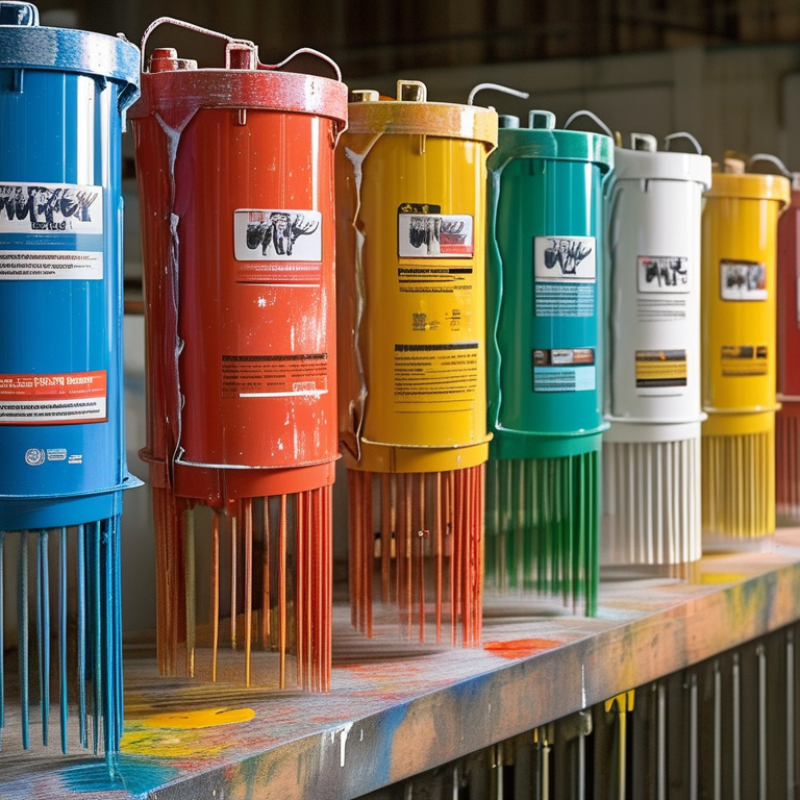
Paint extractor filters play a crucial role in maintaining a safe and clean workspace. They are essential for capturing harmful particles that arise during painting projects. Understanding the importance of these filters can improve air quality and protect health. Poorly chosen filters may fail to trap fine dust and fumes, leading to respiratory issues.
When selecting a paint extractor filter, consider the type of materials you are using. Different paints release various particles, and selecting an appropriate filter can enhance your safety. Ensure your filter meets the necessary specifications for the chemicals involved. This ensures effective filtration and reduces potential health risks.
**Tips:** Always check the filter's efficiency rating before purchasing. More efficient filters capture finer particles, which can be crucial for your health. Regularly inspect filters for clogging; a dirty filter can reduce airflow and effectiveness. Selecting the right size is also necessary; an improper fit can let harmful particles escape. Making these considerations can lead to better outcomes in your painting projects.
When it comes to selecting a paint extractor filter, various options exist. Each type serves a distinct purpose and has its own advantages. HEPA filters are popular for their efficiency in trapping small particles. These filters capture 99.97% of pollutants that are 0.3 microns or larger. They are crucial for maintaining air quality in enclosed spaces. Activated carbon filters also play a vital role. They absorb odors and volatile organic compounds (VOCs), making them essential when using solvent-based paints.
Another option is the foam filter, designed for pre-filtration. These filters can extend the life of HEPA filters by capturing larger particles first. They are often used together with other filters. Each type of filter may come with its own installation requirements. It’s important to read specifications carefully. Not all filters fit every extractor. Users may encounter compatibility issues that could affect performance.
Choosing the right filter requires careful thought. Consider the type of work you do and the materials you use. Assessing the specific environment is also critical. A professional's advice can be beneficial, especially for beginners. Filters may need regular replacement to maintain their effectiveness. Consider your budget as well; high prices don’t always guarantee quality. Filters can vary widely, and the cheapest option isn’t always the best.
When choosing a paint extractor filter, several factors warrant careful consideration. The type of particles you’ll be dealing with plays a crucial role. Paint dust varies in size and toxicity. Some particles are larger and easily captured, while others are microscopic and require specialized filters. It’s essential to match the filter to the specific contaminants you expect.
Another important aspect is the filter's durability. A filter that clogs easily can hinder your work and cause downtime. Look for options with extended lifespans, allowing for longer usage before needing replacement. Additionally, assess the ease of maintenance. Filters that are difficult to clean or replace can lead to frustration. You want a filter that supports your work, not complicates it.
Consider the efficiency rating as well. High-efficiency filters may cost more but can save you time and effort in the long run. Remember, while budget is important, investing in a quality filter often pays off. Take the time to research and gather insights. Read reviews and seek expert advice. This step can reveal common pitfalls and help refine your choices.
When assessing the compatibility of paint extractor filters with your equipment, different factors come into play. Efficiency ratings provide insight into how well a filter removes particulates. According to the Institute of Occupational Safety and Health, filters with an efficiency of 99% or higher are ideal for paint fumes and dust. However, these high-efficiency filters can sometimes restrict airflow, impacting your equipment's performance.
It's crucial to know your equipment's specifications. The airflow rate should align with the filter’s design. If you exceed the recommended airflow, it may result in uneven suction and poor performance. A study by the National Safety Council suggests using filters that match your machine's airflow to maintain optimal function. This ensures not only the safety of your workspace but also the longevity of your equipment.
Additionally, evaluate the filter material. Some materials may not be suitable for specific types of paint particles. A mismatch can lead to clogging and reduced efficiency. Regular maintenance is imperative to avoid these pitfalls. Effective filtration involves ongoing assessment and adjustments to ensure your paint extraction system operates efficiently.
Maintaining your paint extractor filter is essential for optimal performance. Regular cleaning helps improve airflow and capture efficiency. Dust and paint particles can clog the filter, reducing its effectiveness over time. A simple wash with warm water and mild detergent can do wonders. Make sure to let it dry completely before reinserting it into the extractor.
Inspect your filter frequently for damage. Signs of wear may not be obvious at first glance, but a closer look can reveal cracks or tears. These flaws can lead to contamination of your workspace. If you notice any significant wear, consider replacing the filter. Operating with a compromised filter can decrease the overall quality of your work and pose health risks.
Remember, even the best filters need time to rest. Continuous operation can lead to overheating and decreased performance. Give your paint extractor a break during extended projects. Ultimately, proper maintenance enhances durability and efficiency, ensuring that your filter meets your needs effectively. Reflect on your maintenance schedule and adjust it if necessary.
| Filter Type | Material | Efficiency Rating (%) | Maintenance Frequency | Lifespan (months) | Cost ($) |
|---|---|---|---|---|---|
| HEPA Filter | Fiberglass | 99.97 | Every 6 months | 12 | 75 |
| Activated Carbon Filter | Activated Carbon | 85 | Every 3 months | 6 | 50 |
| Pocket Filter | Polyester | 90 | Every 4 months | 9 | 40 |
| Panel Filter | Synthetic | 75 | Every month | 3 | 25 |
: Consider the type of particles, filter durability, and ease of maintenance before making a decision.
Larger particles are easier to capture. Microscopic particles need specialized filters to ensure effective extraction.
A filter that clogs easily can slow down your work. Look for filters that have longer lifespans.
Check the efficiency rating. Filters rated 99% or higher are ideal for removing paint fumes and dust.
Restricted airflow can impact your equipment's performance. It's crucial to match the filter to your equipment's specifications.
Regular cleaning with warm water and mild detergent improves airflow. Let it dry completely before use.
Look for cracks or tears during inspections. These can lead to workspace contamination if left unchecked.
No, continuous operation can lead to overheating. Allow your extractor to rest during long tasks to avoid performance drops.
Regularly reflect on your maintenance schedule. Adjust it as needed to ensure optimal filter performance.
Some materials are unsuitable for specific paint particles. Mismatches can cause clogging and inefficiency.
When selecting a Paint Extractor Filter, it's crucial to understand its role in maintaining air quality and safety during painting operations. Various types of filters are available, each designed for specific applications, which highlights the importance of selecting the right one for your needs. Factors such as filter efficiency, compatibility with your equipment, and the nature of the materials being used should be considered to ensure optimal performance.
Additionally, assessing the compatibility of the Paint Extractor Filter with your existing equipment is essential to avoid operational issues. Regular maintenance of the filters will not only enhance their lifespan but also ensure they perform effectively, providing a clean working environment. By taking these factors into account, you can make an informed decision that supports a successful and safe painting process.

LJF Air FILTER