A Laminar Flow Hood helps create a clean work zone by directing filtered air across the work surface. For laboratories, electronics production, and other controlled tasks, the right unit depends on more than price. Airflow direction, filter efficiency, usable workspace, noise, and ease of cleaning all affect daily performance. Small details matter. A poorly placed control panel or cramped opening can make routine work less comfortable.
China has a broad field of manufacturers, from specialized cleanroom suppliers to factories offering several types of laboratory equipment. This guide introduces leading options and the practical questions buyers should ask. Look for clear product specifications, documented airflow and filter tests, responsive technical support, and consistent quality-control procedures. Factory visits or independent inspections can add useful context, though they may not reveal every issue. No checklist catches everything.
Manufacturer claims deserve careful review. Compare test conditions, not just headline figures, and confirm whether a quoted configuration matches the unit being purchased. Ask how filters are replaced, what maintenance records are supplied, and whether installation guidance is available. A polished brochure is useful, but it is not proof of performance. Some details remain difficult to compare across brands, especially when test methods differ. That uncertainty deserves attention. The aim here is not to declare one universal winner, but to help readers assess Chinese suppliers with clearer criteria and realistic expectations.
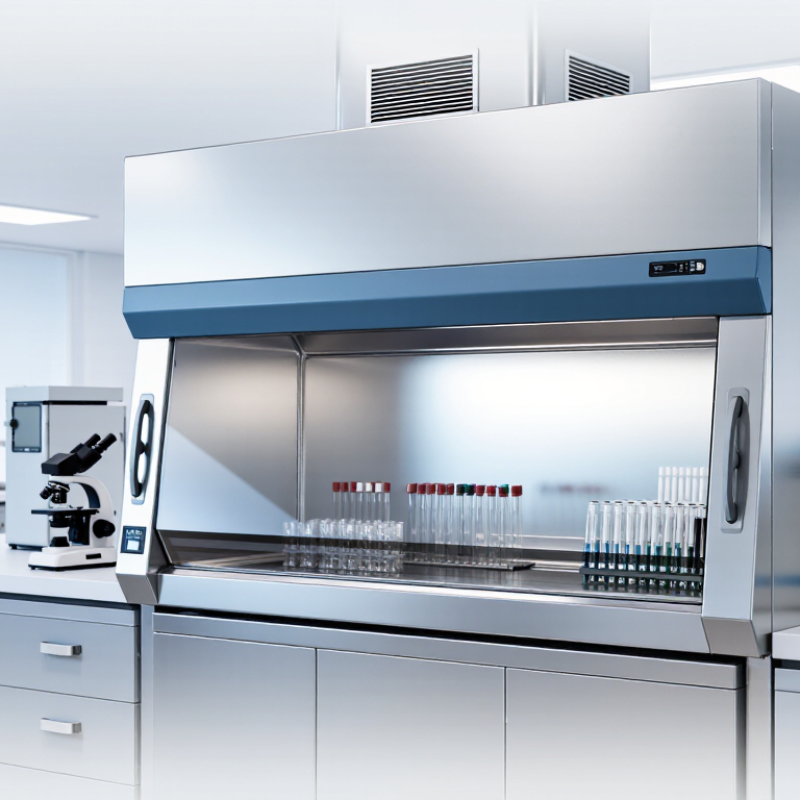
A laminar flow hood creates a clean work zone by pushing HEPA-filtered air in one direction across the work surface. In a horizontal model, air moves from the rear filter toward the operator; in a vertical model, it flows downward. The U.S. Environmental Protection Agency describes HEPA filters as capturing at least 99.97% of particles measuring 0.3 micrometers. That figure concerns filter performance, not the cleanliness of every surface inside the hood. The distinction matters.
A hood helps protect samples from airborne contamination, but it does not protect the operator from hazardous aerosols. For that reason, it is not interchangeable with a biological safety cabinet. ISO 14644-1:2015 classifies cleanrooms by airborne particle concentration, a useful reminder that clean-air claims need measurable criteria. In practice, operators should check airflow indicators, keep the front and rear grilles clear, and arrange materials without blocking the air path. Small items can disrupt flow. Filter integrity and airflow should also be checked under the hood’s service schedule. A visible patch of dust, a blocked grille, or poor technique may undermine filtration; clean air alone is not a guarantee.
Types of Laminar Flow Hoods Used in Laboratories
Horizontal laminar flow hoods direct filtered air from the rear toward the operator. They suit work that needs a clean surface, such as preparing nonhazardous media or arranging sterile containers. Vertical models send filtered air downward over the work area. Their layout can help when equipment takes up bench space, though airflow patterns still depend on careful loading.
Clean benches protect the sample, not the person using them. They are not suitable for hazardous materials or infectious agents. A biological safety cabinet is designed for different containment needs, so the two should not be treated as interchangeable. PCR workstations offer a compact, controlled area for sensitive setup tasks. Their features vary; a UV lamp, where fitted, does not replace routine cleaning. One detail is easy to miss: clutter can disrupt airflow.
Tips: Check the hood’s intended use, airflow direction, and working dimensions before selection. Keep grilles clear, and avoid placing bulky items near the work surface. Small habits matter. A tidy hood is helpful, but it does not guarantee clean results; technique and maintenance need attention too.
Leading laminar flow hood manufacturers in China should offer more than polished product photographs. A reliable supplier can explain how its hood maintains a clean work zone and what the airflow test results mean. Ask for documented checks of HEPA filter integrity, airflow velocity, and particle levels. These details help compare equipment on performance, not appearance.
Inspect the work area, too. Smooth interior corners are easier to clean, while clear service access can make filter replacement less disruptive. Request operating noise, power requirements, warranty terms, and available commissioning support. A factory visit or live video inspection may clarify how units are assembled and tested. Still, no brochure answers everything; verify claims against test records and your laboratory’s actual needs.
Tips: Ask for a recent test report tied to the specific model. Confirm replacement filter availability and lead times before ordering. If possible, request a demonstration using smoke visualization to observe airflow patterns.
When comparing laminar flow hood manufacturers in China, look beyond airflow claims and polished brochures. Ask for the rated airflow, uniformity data, noise level, and particle-count test results for the exact model. ISO 14644-1:2015 sets an ISO Class 5 limit of 3,520 airborne particles per cubic metre at 0.5 micrometres or larger. Request test conditions and calibration records; a class claim without these details is hard to assess. Details matter.
Compare product construction in person or through clear inspection photos. Check welds, work-surface seams, pre-filter access, and whether the sash or controls obstruct cleaning. Ask how filter integrity is tested after installation, not only at the factory. The U.S. Department of Energy’s HEPA definition specifies at least 99.97% efficiency at 0.3 micrometres, but confirm the test method used for the supplied filter. Small differences in test setup can matter.
Certifications need careful reading. ISO 9001 concerns a manufacturer’s quality-management system; it does not certify a hood’s cleanliness performance. NSF/ANSI 49 applies to biological safety cabinets, not ordinary clean benches. Not interchangeable. Confirm the hood’s intended use, electrical safety documentation, and any independent performance report. A certificate may be genuine yet irrelevant to the unit being quoted. I would still verify the serial number and model; paperwork can be surprisingly easy to misread.
When comparing top laminar flow hood manufacturers in China, look beyond catalog airflow figures. Ask how the unit performs at the working opening, not only inside the test chamber. Request recent airflow uniformity and filter leak-test records for the configuration you plan to buy. Check whether the hood uses vertical or horizontal flow, and confirm that its usable work area fits your process. A few centimeters can matter when placing instruments or sample trays.
Evaluate the supplier’s engineering and after-sales support. Can staff explain filter replacement, alarm settings, and routine cleaning in clear terms? Confirm electrical requirements, packing details, spare-part availability, and warranty coverage in writing. If possible, review a finished unit by video or arrange a factory inspection. Photos help, but they cannot show noise, vibration, or service quality. One limitation: test results may differ from performance after installation, so ask what commissioning support is included.
Tips: Ask for raw data. Compare test conditions, not just results. Keep one point open for discussion: a lower price may be reasonable, but only when the included testing and support are equally clear.
Horizontal models move filtered air from the rear toward the operator. Vertical models direct air downward across the work area.
No. It protects the sample, not the operator. Choose equipment according to the work’s containment needs.
It provides a compact, controlled area for sensitive setup tasks. A fitted UV lamp does not replace routine cleaning.
Clutter, blocked grilles, and bulky items near the work surface can affect airflow. Small habits matter.
Confirm its intended use, airflow direction, and working dimensions. Check power requirements, too.
Ask for recent, model-specific results for HEPA filter integrity, airflow velocity, and particle levels. Appearance alone tells little.
Smooth interior corners are easier to clean, and clear service access can simplify filter replacement. Check filter availability and lead times.
Request a demonstration with smoke visualization, or arrange a live inspection. I might still overlook a detail, so compare the results with your lab’s actual needs.
A Laminar Flow Hood creates a clean working area by directing filtered air in a steady, uniform stream across the workspace. Laboratories use different configurations to suit their procedures, available space, and airflow needs, with each type offering specific advantages for handling sensitive materials. Understanding how these hoods work and how their designs differ helps buyers identify equipment that fits their intended applications.
When evaluating manufacturers in China, compare product specifications, construction quality, filtration performance, available testing records, and relevant certifications. Also consider customization options, production capacity, quality-control processes, communication, delivery arrangements, and after-sales support. A careful comparison of suppliers and products can help laboratories choose a dependable Laminar Flow Hood that meets their operational requirements and provides consistent performance over time.

LJF Air FILTER