In modern air quality management, the "Ceiling Filter" plays a crucial role. Dr. Emily Carter, a leading expert in indoor air filtration, emphasizes, "Ceiling Filters are essential for maintaining a healthy environment." These filters are designed to enhance air purity in enclosed spaces, reducing pollutants effectively.
Ceiling Filters work by capturing airborne particles, allergens, and even odors. They are strategically installed in ceilings, where they can maximize airflow and purification efficiency. However, not all Ceiling Filters are created equal. Their effectiveness can vary based on design and technology. Regular maintenance is vital to ensure optimal performance.
While Ceiling Filters can significantly improve air quality, challenges remain. Some users may overlook proper installation or forget about filter replacements. This neglect can lead to decreased efficiency and air quality deterioration. Consideration of these factors is essential for anyone relying on Ceiling Filters to provide a safe and clean environment.
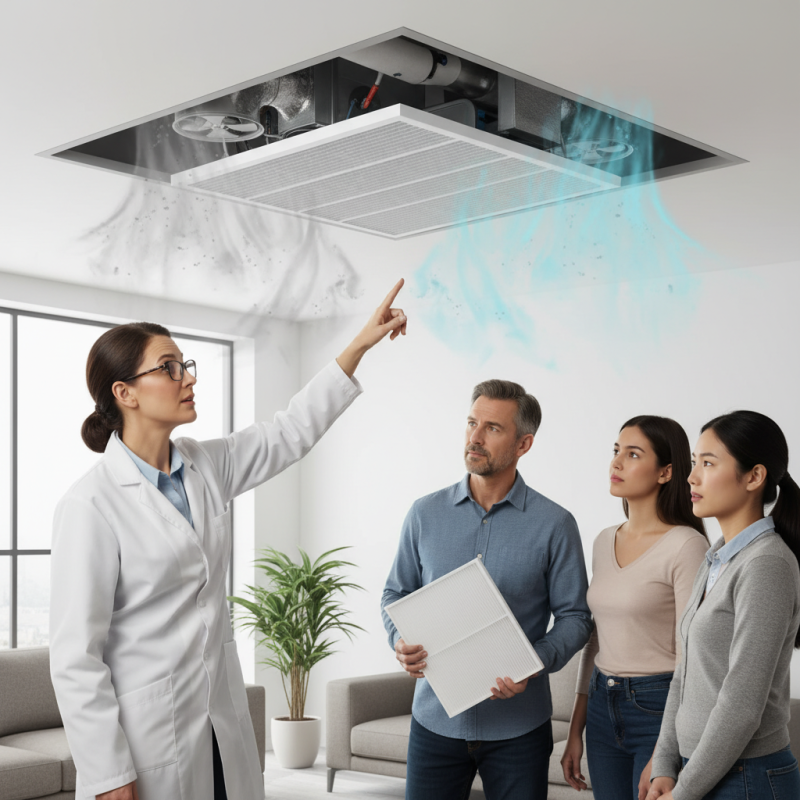
What is a Ceiling Filter? Definition and Overview of Functionality
A ceiling filter is an important component in air filtration systems used in various environments. Its primary function is to remove airborne particles, contaminants, and pollutants. These may include dust, pollen, and even microorganisms. By ensuring cleaner air quality, ceiling filters help maintain healthier indoor environments.
The construction of ceiling filters typically involves multiple layers of filtering media. These layers can trap various sizes of particles effectively. The design of these filters allows airflow while minimizing resistance, which is crucial for their efficiency. Proper installation is also vital. An incorrectly placed filter can lead to poor air quality. Users often overlook this detail, impacting overall performance.
Maintenance plays a significant role in the functionality of ceiling filters. Regular checks and replacements are necessary for optimum operation. Some individuals fail to do this, leading to decreased effectiveness. Additionally, understanding the specific needs of a space can guide the choice of filters. It’s an area where many struggle. The balance between efficiency and convenience can be challenging to achieve. Being mindful of these elements can improve air quality and enhance comfort in indoor settings.
Principles of Operation: How Ceiling Filters Work Mechanically
Ceiling filters operate based on simple yet effective mechanical principles. They utilize a combination of filtration materials and airflow dynamics to maintain indoor air quality. The filter is typically mounted in the ceiling, capturing contaminants as air circulates through a space.
When air flows into the ceiling filter, it encounters layers of filtration media. These layers trap dust, pollutants, and allergens, preventing them from re-entering the room. This process relies on gravity and airflow patterns, enabling effective contaminant capture. It may seem straightforward, yet the design and positioning play a critical role. Every installation must account for the specific room size and airflow direction.
However, not all ceiling filters perform equally. Maintenance is often overlooked, leading to reduced efficiency. A clogged filter struggles to function correctly, allowing harmful particles to circulate. Regular checks are critical to ensure optimal performance. This aspect raises questions about user responsibility and the importance of proactive care.
Ceiling Filter Effectiveness by Airborne Particulate Size
Key Materials Used in Ceiling Filters and Their Impact on Performance
Ceiling filters play a crucial role in maintaining air quality in various environments. The effectiveness of a ceiling filter largely depends on the materials used in its construction. Commonly utilized materials include synthetic fibers, activated carbon, and glass fibers. Each of these has unique properties that influence performance and efficiency.
Research indicates that filters made with synthetic fibers can capture more particulates due to their electrostatic properties. A report by the American Society of Heating, Refrigerating and Air-Conditioning Engineers (ASHRAE) states that filters with *electrostatic capabilities* can enhance particulate removal efficiency by up to 30%. Activated carbon filters, on the other hand, excel at removing odors and volatile organic compounds (VOCs). According to a recent study by the Indoor Air Quality Association, these filters significantly reduce harmful pollutants in indoor air.
However, the choice of materials can impact the filter's lifespan and maintenance needs. Glass fiber filters are known for their durability but can be less efficient at capturing small particles compared to synthetic options. Moreover, improperly designed filters can lead to airflow restrictions. A study found that airflow reductions of 20% can occur if filters are not optimally chosen, leading to increased energy consumption. This emphasizes the need for careful selection of filter materials based on specific application requirements.
Applications of Ceiling Filters in Different Industries and Environments
Ceiling filters play a crucial role across various industries. In healthcare facilities, they ensure that clean air circulates in surgical rooms. This is vital, as any airborne contaminants can lead to infections.
In manufacturing, ceiling filters help maintain air quality. This is especially important in environments dealing with sensitive materials. Clean air enhances product quality and worker safety.
In educational settings, ceiling filters help create a better learning environment. They reduce allergens and improve airflow. Students can focus better in clean air. However, it’s important to regularly maintain these systems. Neglected filters can become sources of contamination.
Tips:
- Regular checks are essential.
- Change filters according to the manufacturer's recommendations.
- Monitor air quality continuously to adapt to environmental changes.
- Always consider the specific needs of your environment when selecting filters.
- Keep in mind that even the best systems require ongoing attention.
Industry Standards and Regulations Governing Ceiling Filter Usage
Ceiling filters play a crucial role in maintaining air quality in various industries, particularly in cleanrooms and laboratories. These filters must meet specific industry standards and regulations, which ensure their effectiveness. The ISO 14644-1 standard outlines classifications of air cleanliness in clean environments. This standard emphasizes the need for proper filtration to minimize particulate contamination.
OSHA also provides regulations that specifically address air quality in workplaces. Compliance with these regulations is essential for protecting worker health. A report from the World Health Organization states that indoor air quality is crucial for maintaining productivity. Failure to adhere to standards can have serious consequences, including health risks and costly downtime.
Additionally, different sectors may have unique requirements. For example, the pharmaceutical industry demands stringent controls over contamination. The FDA mandates that cleanroom environments must adhere to strict air quality standards. Regular testing and certification are necessary to maintain compliance. It raises questions about how often facilities evaluate their filtration systems. Continuous improvement should be a focus. Addressing deficiencies in ceiling filter performance is vital for meeting these regulatory expectations.
What is a Ceiling Filter and How Does it Work? - Industry Standards and Regulations Governing Ceiling Filter Usage
| Feature |
Description |
Industry Standard/Regulation |
| Filtration Efficiency |
The ability to remove airborne particles from the environment. |
ISO 14644-1 |
| Airflow Rate |
The volume of air that can pass through the filter within a certain time. |
ASHRAE Standard 52.2 |
| Filter Type |
Types include HEPA, ULPA, and pre-filters. |
EU Regulation 852/2004 |
| Maintenance Frequency |
Recommended intervals for filter replacement and maintenance. |
ISO 9001 |
| Installation Requirements |
Guidelines for proper installation to maintain efficiency. |
Local Building Codes |
Conclusion
A Ceiling Filter is a specialized device designed to enhance air quality by removing airborne particles and pollutants from the environment. Its functionality lies in its mechanical operation, where the filter traps contaminants as air passes through, thus maintaining a cleaner atmosphere in various settings. The effectiveness of a Ceiling Filter is influenced by the materials used in its construction, which directly impact its filtration performance and longevity.
These filters find applications across diverse industries, including healthcare, manufacturing, and commercial spaces, where clean air is crucial for both safety and comfort. Additionally, compliance with industry standards and regulations is essential for the proper use of Ceiling Filters, ensuring they meet necessary performance specifications and contribute effectively to the overall air quality management in their respective environments.

 LJF Air FILTER