What is the Best Pocket Filter for Industrial Use?

Time:2026-06-07 Author:Liam
0%

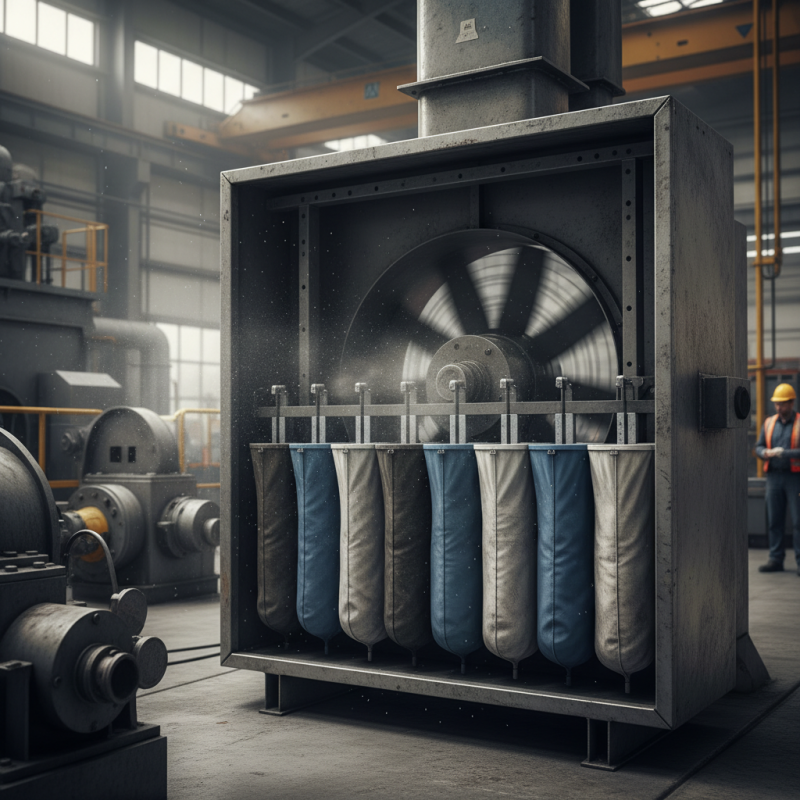
In the realm of industrial air filtration, the choice of the best pocket filter is crucial. Pocket filters play a vital role in maintaining clean air quality. They effectively capture airborne particles and pollutants, ensuring a healthier work environment. Yet, not all pocket filters are created equal. Factors such as filter material, efficiency, and airflow resistance greatly influence performance.

Choosing the right pocket filter requires expertise. Many industries operate under strict regulations for air quality. Selecting a subpar filter can lead to compliance issues and increased operational costs. Understanding specifications and user scenarios is essential for making an informed decision. Additionally, regular maintenance is often overlooked. This can impact filter lifespan and efficiency.

Investing in a high-quality pocket filter can improve productivity. A reliable filter reduces downtime caused by equipment malfunction. However, it’s important to recognize that no filter is perfect. Regular monitoring and adjustments are necessary to accommodate changing conditions. This ongoing commitment to filtration quality reflects a proactive approach to industrial health and safety.
What is the Best Pocket Filter for Industrial Use?

Types of Pocket Filters Used in Industrial Applications

In industrial applications, pocket filters play a crucial role in maintaining air quality. These filters come in various types, each designed for specific needs. One common type is the synthetic pocket filter. They are lightweight and offer high dust-holding capacity. Their efficiency in trapping fine particles makes them suitable for environments with heavy dust exposure.

Another option is the HEPA pocket filter. This filter type excels at capturing small contaminants, ensuring clean air circulation in sensitive spaces. In pharmaceutical and food industries, these filters are often essential. They provide a reliable barrier against harmful particles that could compromise product safety.

Choosing the right filter is not always straightforward. Factors like airflow needs and maintenance requirements influence the decision. Regular maintenance is vital for optimal performance. Neglecting this can lead to decreased efficiency and increased energy costs. It's important to evaluate the specific environment before making a selection. Often, trial and error guide the best choice. Finding the ideal pocket filter requires a balance of these elements, tailored to unique industrial requirements.

Performance Comparison of Different Types of Pocket Filters for Industrial Use

Key Features to Consider for Industrial Pocket Filters

When selecting a pocket filter for industrial use, several key features stand out. Filtration efficiency is critical. High-efficiency filters can capture particles as small as 0.3 microns. According to a recent industry report, filters with a minimum efficiency reporting value (MERV) rating of 14 can achieve up to 95% efficiency in capturing these particles. This is important for industries where air quality standards are stringent.

Another vital aspect is the filter's dust-holding capacity. Filters need to handle substantial particulate loads without frequent replacements. Studies indicate that filters with higher capacity can extend service life by 30-50%. This not only reduces waste but also lowers maintenance costs. However, balancing capacity and airflow resistance is essential. Excessive resistance can lead to reduced efficiency and increased energy consumption.

Manufacturing material also deserves attention. Pocket filters made from synthetic materials often outperform traditional fiberglass options in durability and resistance to moisture. Yet, these materials can be costlier. Industry surveys suggest that investing in higher-quality materials often yields better long-term performance and reliability. However, the upfront cost may pose a challenge for budget-constrained facilities.

Comparative Analysis of Top Pocket Filters for Industrial Use

When selecting pocket filters for industrial use, it's essential to consider efficiency and reliability. A recent industry report highlights that the filtration efficiency of pocket filters varies significantly. Filters can achieve efficiencies of 30% to 99.9%, depending on the specific design and material used. The selection can impact cleanroom environments and overall air quality in industrial applications.

Data suggests that using high-efficiency pocket filters can reduce operational costs. For example, when filters have a lower pressure drop, they require less energy to operate. Studies indicate that a pressure drop reduction of just 1-inch water gauge can lead to a 5% decrease in energy consumption. This aspect emphasizes the importance of balancing performance with energy efficiency.

However, not all pocket filters are created equal. Some designs may perform well initially but degrade quickly. A breakdown of longevity reveals that many filters last between six months to two years, depending on usage and environmental factors. Businesses may find themselves replacing filters more frequently than planned, leading to increased maintenance costs. Careful consideration of material and design can mitigate these issues and enhance overall performance.

Maintenance and Lifespan of Pocket Filters in Industrial Settings

Pocket filters play a vital role in maintaining air quality in industrial settings. Regular maintenance is crucial to ensure their effectiveness. Neglecting filter upkeep can lead to reduced efficiency and increased operational costs. Inspecting filters monthly can help identify wear and tear. Simple visual checks can reveal dirt accumulation. A dirty filter can cause airflow issues and strain on machinery.

The lifespan of pocket filters varies based on usage and environmental conditions. Typically, filters last between six months to a year. However, harsh environments may shorten this period. Implementing a scheduled replacement plan can improve reliability. It is essential to track filter performance indicators. Monitoring pressure drops can signal when to replace filters. Delaying replacement may not only impact air quality but also affect overall productivity. Regular assessments prevent costly downtime and ensure a healthier workspace.

Cost-Effectiveness of Pocket Filters for Various Industrial Needs

When considering pocket filters for industrial use, cost-effectiveness is crucial. Industries are continuously searching for ways to optimize operational budgets without compromising on air quality. According to a report by the U.S. Department of Energy, poorly maintained air filtration systems can lead to energy costs that increase by 20%. This highlights the need for high-efficiency pocket filters that balance initial investment and long-term savings.

Selecting the right pocket filter can significantly influence both performance and costs. Filters with a higher MERV rating are generally more efficient but may have higher upfront costs. However, their better filtration can lead to lower maintenance expenses and energy savings over time. Industry surveys indicate that a well-chosen pocket filter may save companies an average of $450 per year per filter by reducing energy consumption.

Tip: Always assess the specific needs of your operation before selecting a filter. What works for one environment might not suit another.

When evaluating performance, remember to track replacement intervals. Some filters provide warnings when they need changing, saving on unnecessary replacements. Careful analysis can prevent overpaying for lesser effective options. Enhance your filtration strategy by considering the total cost of ownership, not just the initial price tag.

What is the Best Pocket Filter for Industrial Use? - Cost-Effectiveness of Pocket Filters for Various Industrial Needs

Filter Type Dust Holding Capacity (g/m²) Initial Resistance (Pa) Operating Temperature (°C) Cost per Square Meter ($) Recommended Applications
Synthetic Media Pocket Filter 350 150 60 7.50 General HVAC, Paint Booths
Fiberglass Pocket Filter 300 200 70 6.00 Industrial Processing, Clean Rooms
Electrostatic Pocket Filter 500 100 65 9.00 Dusty Environments, Workshops
High-Efficiency Pocket Filter 400 250 80 12.00 Pharmaceuticals, Electronics
Pleated Pocket Filter 450 180 90 8.50 HVAC Systems, Dust Collection

FAQS

: What are pocket filters used for in industrial applications?

: Pocket filters maintain air quality by trapping dust and contaminants in various industrial environments.

What is a common type of pocket filter?

A synthetic pocket filter is common; it's lightweight and has a high dust-holding capacity.

Why are HEPA pocket filters important?

HEPA filters capture small contaminants, vital for clean air in sensitive areas like pharmaceuticals and food industries.

How should one choose the right pocket filter?

Consider airflow needs and maintenance requirements. Evaluate specific environments before making a selection.

What happens if pocket filters are not maintained?

Neglected filters can lose efficiency, increase energy costs, and impact overall air quality.

How long do pocket filters typically last?

Most filters last between six months to a year, but harsh conditions may reduce this lifespan.

How can you identify when to replace a pocket filter?

Regularly inspecting for dirt accumulation and monitoring pressure drops can signal when a replacement is needed.

Can pocket filters affect operational costs?

Yes, using high-efficiency filters can reduce energy consumption and lower operational costs significantly.

What is a drawback of some pocket filter designs?

Some filters may perform well initially but degrade quickly, leading to more frequent replacements.

How can maintenance prevent costly downtime?

Regular assessments and a replacement schedule ensure reliable performance and a healthier workspace.

Conclusion

Pocket filters are essential components in industrial applications, designed to efficiently capture dust and particulate matter while maintaining airflow. They come in various types, each suited for specific industrial needs, such as synthetic or fiberglass materials that maximize filtration performance. Key features to consider when selecting a pocket filter include filtration efficiency, resistance to moisture, and durability, all of which significantly impact the effectiveness and lifespan of the filters.

In a comparative analysis of top pocket filters, factors such as maintenance requirements and cost-effectiveness emerge as critical elements for decision-making. Proper maintenance extends the lifespan of pocket filters, ensuring they operate efficiently in demanding environments. Ultimately, choosing the right pocket filter not only enhances air quality but also contributes to overall operational efficiency, making it a worthwhile investment for various industrial sectors.

Liam

Liam

Liam is a dedicated marketing professional with a profound expertise in the industry, where he excels at highlighting the unique advantages of our core products. With a keen understanding of market trends and consumer needs, Liam frequently updates our company’s professional blog, providing......