In today's industrial landscape, the importance of clean air cannot be overstated. As industries expand, so does the necessity for effective air filtration. Dr. Emily Harris, a leading expert in air quality technology, emphasizes this need: "The right Industrial Hepa Filter can significantly reduce pollutants in industrial environments."
Industrial Hepa Filters are vital for maintaining safe working conditions. These filters capture 99.97% of airborne particles, including dust, pollen, and other harmful substances. Choosing the right filter is an investment in health and productivity. However, navigating the options can be challenging. Buyers must consider filtration efficiency, durability, and cost-effectiveness.
While many products claim to provide optimal filtration, not all are created equal. Some filters may fall short in specific applications. This reality calls for careful evaluation. Understanding the unique needs of your industry is critical. In the long run, selecting the best Industrial Hepa Filter can make a big difference in air quality and worker safety.
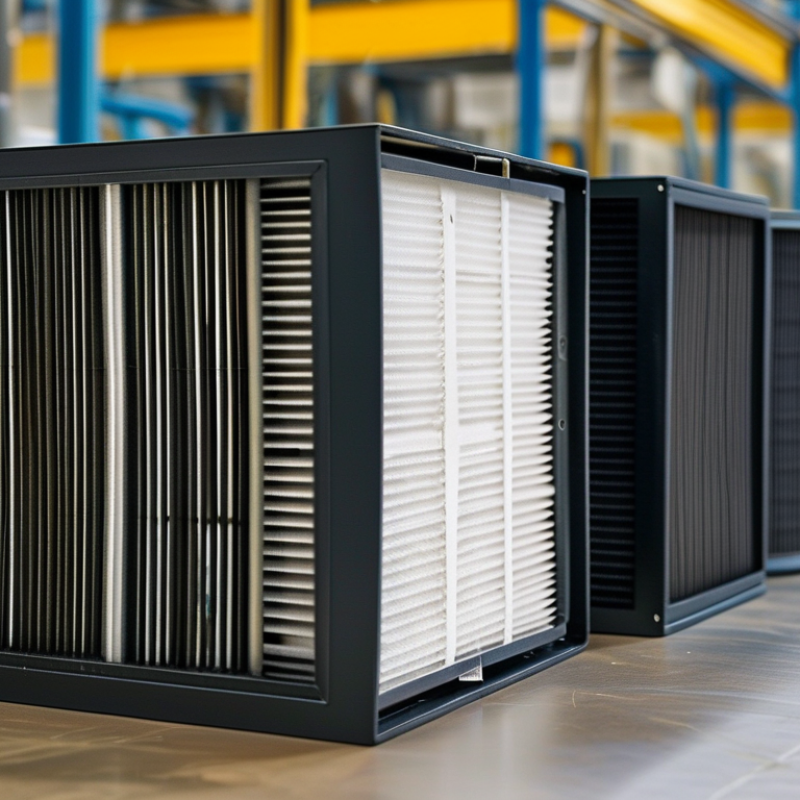
HEPA filters, or High-Efficiency Particulate Air filters, play a crucial role in various industrial applications. They are designed to capture particles as small as 0.3 microns with an efficiency of 99.97%. This makes them invaluable in industries such as pharmaceuticals, manufacturing, and food processing. In the pharmaceutical industry, HEPA filters help maintain sterile environments. In manufacturing, they control dust and particulate pollution, ensuring product quality and worker safety.
Different types of HEPA filters exist based on their construction and filtration capacity. For example, rigid filters have a sturdy frame and are ideal for high air flow rates. Alternatively, flexible filters are easier to install but may not offer the same level of durability. Selecting the appropriate type depends on the specific industrial requirements. Keep in mind that the air quality demands may vary between different settings.
Tips: Regular maintenance is critical. Change filters based on the manufacturer's guidelines to ensure optimal performance. Consider the operating environment before choosing a filter type. Remember, proper installation can significantly affect efficiency. Take time to evaluate your filtration needs; it could save costs in the long run.
High-performance HEPA filters are vital in various industrial applications. These filters excel at trapping airborne particles, ensuring better air quality. Key specifications include a particle capture efficiency of 99.97% for particles as small as 0.3 microns. The materials used often feature fiberglass or synthetic fibers, contributing to durability and enhanced filtration.
When selecting HEPA filters, consider airflow resistance. Filters with higher resistance may require more energy, impacting operational costs. Effective HEPA filters should also have a defined lifespan. Regular monitoring can help you understand their efficiency and when to replace them. Some filters may deteriorate faster in highly polluted environments.
An important feature is the filter's frame. A sturdy frame is necessary to maintain structural integrity during operation. A poor frame can lead to bypass and reduced efficiency. Testing is crucial for HEPA filters, yet it's often overlooked. Evaluating filters in real-world conditions helps ensure they meet performance requirements consistently.
The global market for HEPA filters is witnessing significant growth. Industries increasingly recognize the importance of air quality. This awareness drives demand across sectors like manufacturing, healthcare, and automotive. The need for cleaner air enhances productivity and health outcomes. Companies realize that investing in efficient filtration systems pays off.
Tips for selecting the right HEPA filter include considering the specific application. For instance, certain industries require filters that can capture smaller particles. Also, ensure that filters align with regional regulations regarding air quality standards. Regular maintenance is vital. Neglecting maintenance can lead to decreased performance and higher costs.
Sustainability is another trend influencing the market. Buyers prefer filters that are easy to recycle and have a longer lifespan. This shift reflects a growing commitment to environmental responsibility. However, not every filter meets these criteria. Evaluation and research become essential.
Stay informed on emerging technologies. Innovations may offer enhanced efficiency and effectiveness. However, adopting new technology can be challenging. Assessing the trade-offs between cost, performance, and sustainability is crucial in decision-making.
This chart illustrates the projected growth in demand for HEPA filters across different regions, highlighting the increasing importance of air quality solutions worldwide. The data reflects projected market growth from 2023 to 2028.
When selecting industrial HEPA filters, quality is key. With numerous manufacturers and brands available, understanding what to look for is essential. Many companies focus on efficiency and performance. However, one must also consider the filter's compatibility with existing systems. Not all filters fit every filter housing.
Some top manufacturers prioritize innovation in air filtration technology. They offer products that enhance indoor air quality and efficiency. It's valuable to pay attention to certifications, as this indicates the reliability of the filters. High-efficiency particulate air (HEPA) filters capture at least 99.97% of airborne particles, making them crucial in industrial settings.
Tips: Ensure the filter meets your specific needs. Frequency of filter changes can affect operational efficiency. While some filters seem cost-effective, their longevity could lead to overall cost efficiency. Additionally, seek user reviews and testimonials to gauge performance in real-world applications. Balancing initial costs with long-term performance is vital. This approach often leads to more thoughtful purchasing decisions.
When choosing HEPA filters for industrial applications, pricing and efficiency are critical. Various options are available, each with unique specifications and capabilities. Essentially, a HEPA filter must capture 99.97% of particles 0.3 micrometers in diameter. Efficiency varies across types, impacting performance in real-world settings.
Price points can differ significantly. High-efficiency models often come with a higher initial investment. However, they may lead to lower long-term operating costs. Some filters may require replacement every 6 months. Others last up to two years, depending on usage and dust load. Buyers must weigh upfront costs against potential savings.
Understanding your specific needs is essential. Not all environments require the same level of filtration. In some cases, a less expensive filter might suffice. However, prioritizing air quality in critical areas is non-negotiable. Some filters may not perform as expected under heavy loads, leading to early failures. Balancing cost and effectiveness remains a challenge. The perfect choice often requires trial and error, and continuous evaluation is necessary.
filters?
Higher airflow resistance may increase energy costs. This affects overall operational efficiency.
Regular monitoring helps determine efficiency and replacement needs. Polluted environments may speed up deterioration.
A sturdy frame maintains structural integrity. A poor frame can lead to reduced efficiency and bypass issues.
Testing ensures filters meet performance in real-world conditions. Often, this step is overlooked in the process.
Prices differ significantly based on efficiency and specifications. High-efficiency models may have higher initial costs.
Some filters last six months, while others can last two years. Evaluate usage and dust load for effectiveness.
Yes, in less critical environments, a cheaper filter may suffice, but air quality must not be compromised.
User reviews provide insights into real-world performance. They help gauge effectiveness in various applications.
Finding the ideal filter often requires trial and error. Continuous evaluation and reflection on choices are necessary.
The article "Best Industrial Hepa Filter Options for Global Buyers" provides a comprehensive overview of Industrial Hepa Filters, focusing on their types and applications across various industries. It highlights key features and specifications that define high-performance HEPA filters, essential for achieving optimal air quality and efficiency in industrial settings.
Furthermore, the article delves into current market trends and growth projections for HEPA filters, showcasing the increasing demand and technological advancements in this sector. A comparative analysis of pricing and efficiency among different HEPA filter options is also included, helping buyers make informed decisions. Overall, this resource serves as a valuable guide for global buyers seeking reliable Industrial Hepa Filters to enhance their operational environments.

LJF Air FILTER