In an increasingly polluted world, the importance of clean air cannot be overstated. HEPA filters stand out as a top solution for improving indoor air quality. They are designed to trap harmful particles, including allergens, dust, and pollutants, providing a healthier environment.
Choosing the right HEPA filter requires careful consideration. With countless options available, buyers must evaluate efficiency and filter lifespan. Some filters excel in capturing tiny particles, while others struggle. It's crucial to find a balance between performance and cost.
Despite advancements, challenges remain. Not all filters labeled as HEPA meet the required standards. Misleading marketing can confuse buyers. Trustworthy brands often provide clear specifications and certifications. Understanding these details ensures you make an informed decision for the sake of your health and well-being.
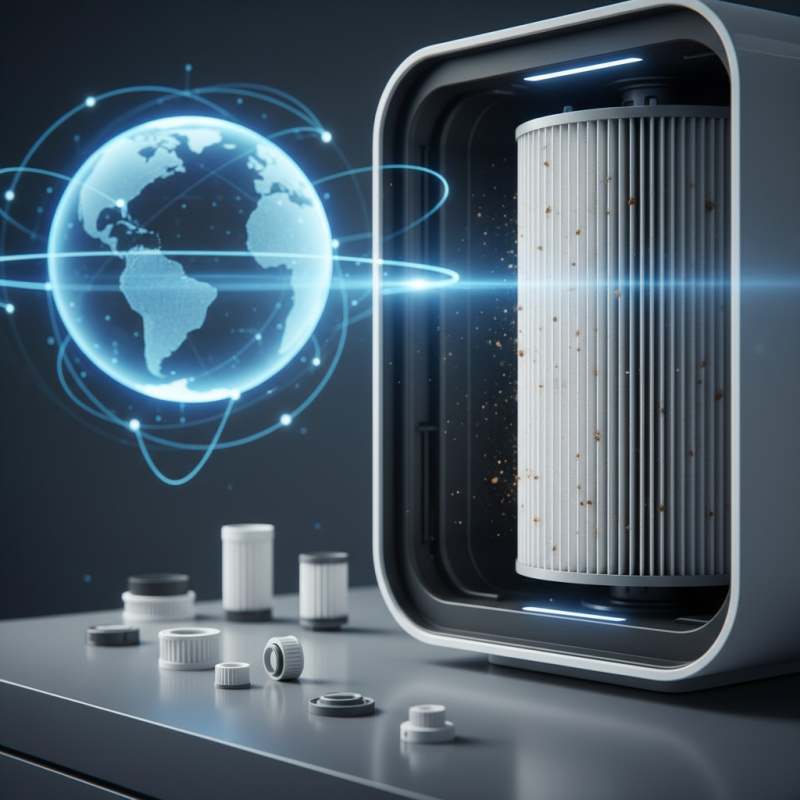
As we become more aware of indoor air quality, HEPA filters play a crucial role in maintaining a clean environment. High-Efficiency Particulate Air (HEPA) filters are designed to trap airborne particles, including dust, pollen, and pet dander. They are essential for those with allergies or respiratory issues, providing cleaner air to breathe. A well-functioning HEPA filter can significantly reduce allergens, making living spaces more comfortable.
Choosing the right HEPA filter involves understanding its efficiency and lifespan. While most HEPA filters can capture 99.97% of particles, not all filters are created equal. Certain factors, like air flow and maintenance, can impact performance. Regularly replacing filters ensures optimal filtration. However, many homeowners overlook this maintenance, leading to decreased effectiveness.
HEPA filters also provide emotional benefits. Breathing cleaner air can enhance focus and overall well-being. Yet, there is a common misconception that merely having a HEPA filter guarantees clean air. Regular air quality assessments and additional filtration methods may be necessary. This complexity highlights the importance of informed choices for a healthier indoor environment.
When searching for HEPA filters, understanding types is crucial. High-Efficiency Particulate Air (HEPA) filters trap 99.97% of particles as small as 0.3 microns. They are vital for cleaner air in homes, hospitals, and offices. Various HEPA filter types cater to different needs.
True HEPA filters stand out for their efficiency. They capture fine dust, pollen, and pet dander. In contrast, HEPA-type filters, while effective, do not meet the same stringent standards. A study by the Environmental Protection Agency (EPA) highlights that true HEPA filters significantly reduce airborne allergens.
Consider using a pre-filter along with HEPA filters for better air quality. Pre-filters catch larger particles, extending the HEPA filter's lifespan. Changing filters regularly is essential to maintain maximum effectiveness. Always check ratings and certifications before purchasing. This ensures the filter meets safety and performance expectations.
Choosing the right filter can feel overwhelming. Many options are available, but deciding based on your specific needs is paramount. Remember that investing in quality air filtration can lead to healthier living spaces.
| Type of HEPA Filter | Efficiency Rating (%) | Particle Size Captured (microns) | Lifespan (years) | Price Range (USD) |
|---|---|---|---|---|
| True HEPA | 99.97 | 0.3 | 3-5 | 50-150 |
| HEPA-Type | 99.0 | 0.5 | 1-3 | 20-80 |
| ULPA Filter | 99.999 | 0.12 | 2-4 | 150-300 |
| Electrostatic Filter | 95.0 | 0.3 | 1-2 | 30-100 |
| Washable HEPA | 99.97 | 0.3 | 5-10 | 100-250 |
When selecting a HEPA filter, consider several key features that impact performance and usability. The Clean Air Delivery Rate (CADR) is a crucial metric. It measures how effectively a filter can purify air in a specific area. For optimal results, look for a CADR rating that aligns with the size of your room. A higher CADR means faster and more efficient filtration.
Filter efficiency is another important factor. A true HEPA filter captures at least 99.97% of particles sized 0.3 microns. This includes allergens, dust, and pet dander. Some reports indicate that many consumers overlook the significance of maintaining filter cleanliness as well. Regular cleaning or timely replacement can vastly improve a filter’s performance.
Tips: Always check the manufacturer’s specifications for filter life. Pay attention to noise levels too. Some filters operate quietly while others can be disruptive. Experiment with settings to find a balance between purification and comfort. Not all filters are ideal for every environment. Understand your specific needs before making a decision. This can prevent frustrating experiences later.
When considering HEPA filter options in 2026, buyers face a wide array of choices. The market is filled with products claiming high filtration efficiency. Advanced technology has improved many filters, making them effective against allergens and particles. However, not all filters perform as advertised. Buyers should verify claims through reputable sources or independent tests.
Top brands leverage scientific research to enhance filter performance. These products often use materials that capture smaller particles, giving users cleaner air. Some filters are also designed for easy replacement and maintenance, improving user experience. It's important to read user reviews and professional assessments to make informed decisions.
Choosing a HEPA filter is not straightforward. Many buyers may overlook dimensions and compatibility with existing systems. Some filters may fit poorly or require adapters. This can compromise efficiency. Evaluate your specific needs before purchasing. Reflecting on your environment can lead to better choices. Researching options can be time-consuming, but it is necessary for healthy air quality.
When evaluating HEPA filters, performance and pricing are critical factors for global buyers. Studies show that HEPA filters can capture at least 99.97% of airborne particles, providing essential protection against allergens and pollutants. However, not all HEPA filters are created equal. A report by the EPA highlights significant variations in efficiency ratings among different models, which can affect overall indoor air quality.
When considering costs, consumers often encounter a wide price range, typically from $30 to over $300. A recent market analysis indicates that higher-priced filters do not always guarantee better performance. Instead, buyers should focus on the filter's efficiency rating and life cycle cost, which includes replacement frequency. In practice, some filters may be inexpensive but require frequent changes, raising overall expenses.
Tip: Always check for third-party certifications when choosing a filter. Look for H13 or H14 ratings for superior filtration.
Another consideration is the filter's noise level. Some HEPA filters operate quietly, while others can be quite loud, potentially disrupting daily activities. Reviews from users frequently emphasize this aspect when comparing options.
Tip: Read user reviews to gauge noise levels and effectiveness in real-life settings.
filters designed to trap?
Those with allergies or respiratory issues benefit greatly from cleaner air.
Most HEPA filters capture 99.97% of particles that are as small as 0.3 microns.
Regularly replacing filters ensures they perform well and maintain optimal air quality.
Many believe having a HEPA filter alone guarantees clean air, which is not always true.
Using a pre-filter helps catch larger particles and extends the HEPA filter's lifespan.
True HEPA filters meet strict efficiency standards, while HEPA-type filters do not.
Regular assessments help identify the need for additional filtration methods.
The variety of filters available can make it hard to select the right one for specific needs.
Yes, it leads to healthier living spaces and can enhance overall well-being.
The article "2026 Best Hepa Filter Options for Global Buyers" provides an insightful overview of HEPA filters and their crucial role in enhancing air quality. It begins by exploring the various types of HEPA filters available on the market, helping global consumers understand the diversity of options tailored to different needs. When selecting a HEPA filter, key features such as efficiency, filter lifespan, and overall maintenance requirements are emphasized to ensure the best air purification results.
Additionally, the article presents a comparative analysis of performance and pricing, guiding buyers in making informed decisions. By examining top brands and products available in 2026, readers are equipped with the knowledge to navigate the market effectively, ensuring that they can select the ideal HEPA filter for their specific requirements while maximizing air quality in their environments.

LJF Air FILTER