Choosing the right Furnace Air Filter can improve indoor comfort, protect heating equipment, and reduce airborne particles. However, buying decisions are rarely simple. Filter size, MERV rating, pressure resistance, material, climate, and replacement access all matter. A filter that performs well in one home may restrict airflow in another.
Dr. Jeffrey Siegel, an indoor-air-quality researcher, has stated, “There is no single solution for improving indoor air quality.” This practical warning deserves attention. Filtration cannot replace ventilation, humidity control, or regular system maintenance. It also cannot solve every indoor-air concern. Still, a properly fitted filter remains a useful part of a balanced heating strategy.
This guide reviews ten Furnace Air Filter options for global buyers. It considers measurable details, including particle-capture performance, airflow impact, construction quality, certification claims, and available sizes. It also examines everyday realities. Can homeowners find replacements locally? Will the filter fit without gaps? Does the furnace manufacturer permit a higher-efficiency model? These questions often matter more than attractive packaging.
Some recommendations may seem obvious. They are not always obvious in practice. A high-efficiency filter can reduce airflow when a system is poorly matched. A cheaper filter may create unexpected replacement costs. Regional standards and product availability can differ widely. Therefore, readers should verify dimensions, equipment requirements, and local purchasing information before ordering. The best choice is not necessarily the strongest filter. It is the one that balances cleaner air, safe airflow, reliable fit, and realistic maintenance.
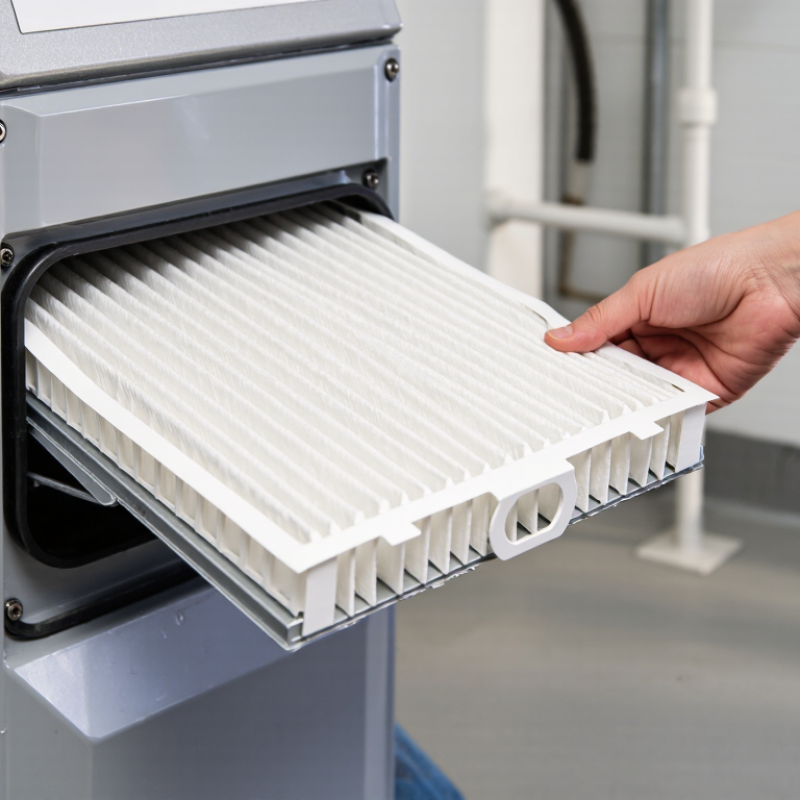
Choosing a furnace air filter starts with fit, airflow, and verified performance. Measure the slot carefully, including length, width, and depth. A filter that bends or leaves gaps cannot protect the system well. Common materials include fiberglass, pleated synthetic media, and higher-efficiency electrostatic designs. Each option balances dust capture, resistance, service life, and cost.
Performance ratings need careful reading. MERV values come from ANSI/ASHRAE 52.2 testing, while ISO 16890 reports ePM particle efficiency. These systems are not directly interchangeable. Higher efficiency can increase pressure drop, especially in older furnaces or systems with weak fans. That may cause noisy operation, reduced heating, or coil icing. A certified rating is useful, but real installation conditions still matter. I have seen buyers choose the highest number and overlook airflow. That choice is understandable, but not always wise. Follow the furnace manual and check the system after installation.
Tips: Replace the filter on schedule, not only when it looks dark. Homes with pets, renovations, or heavy dust may need shorter intervals. Hold the filter toward a light source before disposal. A pressure-drop measurement is better than appearance alone. Keep one spare filter dry and sealed. Record the size and replacement date on the furnace cabinet. Test the fit again after cleaning, because small gaps are easy to miss.
This chart presents the minimum composite efficiency values defined by ASHRAE Standard 52.2 for three particle-size ranges: E1 (0.30–1.0 micrometers), E2 (1.0–3.0 micrometers), and E3 (3.0–10.0 micrometers). A blank value means that the rating has no specified minimum efficiency for that particle-size range. Higher-rated filters can improve fine-particle removal, but buyers should also check system airflow, filter dimensions, pressure drop, and proper installation.
10 Best Furnace Air Filters for Global Buyers
How to Compare Filter Types, MERV Ratings, and Airflow Needs
Choosing a furnace filter starts with particle size, airflow, and equipment limits. Fiberglass filters usually offer low resistance but capture fewer fine particles. Pleated filters provide more surface area, which can improve filtration without sharply restricting airflow. However, thickness alone is not proof of better performance.
The U.S. Environmental Protection Agency recommends considering MERV 13 when a heating and cooling system can support it. Under ASHRAE Standard 52.2 testing, MERV 13 filters capture at least 50% of particles measuring 0.3 to 1 micrometer. Results vary in actual homes. Dust loading changes resistance over time.
Airflow matters more than a high rating.
Check the furnace manual for the permitted filter size and pressure drop. A filter that bends, whistles, or leaves dust around its frame may be poorly fitted. The U.S. Department of Energy identifies HVAC airflow as a major factor in system efficiency, so a restrictive filter can increase fan workload.
Buyers comparing European and Asian products should also recognize ISO 16890 ratings, such as ePM1 and ePM2.5. These classifications are useful, but they are not direct replacements for MERV numbers.
A small mistake remains possible: household conditions rarely match laboratory testing. EPA guidance and ASHRAE data should support the decision, not replace a technician’s airflow check.
Homes need different furnace filters because climate, construction, and household habits vary. The U.S. Environmental Protection Agency reports that indoor pollutant levels can be two to five times higher than outdoor levels. A correctly fitted filter can reduce dust, pollen, and some fine particles. It cannot solve every indoor-air problem.
For apartments, a pleated filter rated around MERV 8 to 11 often balances particle capture and airflow. Detached homes with pets or seasonal pollen may need MERV 11 to 13, if the furnace supports the added resistance. ASHRAE Standard 52.2 testing helps compare filter performance under controlled conditions. Check the equipment manual first. Higher is not automatically better.
Dry, dusty climates can load filters quickly, sometimes leaving a gray layer within weeks. Humid regions need regular inspections because damp dust may support microbial growth. During wildfire-smoke events, a higher-efficiency filter can help, but it should not restrict airflow. EPA guidance recommends MERV 13 when the HVAC system can handle it. Cold-climate homes may require frequent checks during long heating seasons. Warm-climate homes using central cooling face similar concerns. Filter life is not fixed. That is the part many buying guides miss. A monthly visual check remains practical, even when the package promises longer service.
10 Best Furnace Air Filters for Global Buyers
Choosing Filters for Allergies, Pets, Energy Efficiency, and Budgets
For global buyers, the best furnace air filter begins with accurate measurements. Check the length, width, and thickness printed on the old filter. A one-centimeter mismatch can leave gaps around the frame. Allergy-focused homes should consider filters with independently tested particle-capture performance. MERV ratings can help compare products, although regional standards and testing methods may differ. Higher filtration is not always better. Dense media can restrict airflow and make a furnace work harder.
Pet owners face a different problem. Dander is light, while fur can quickly block a filter’s surface. A pleated filter with a firm frame usually handles this combination better than a thin, loose panel. Activated carbon may reduce household odors, but it does not replace particle filtration. Inspect the filter near a shedding dog’s bed or a dusty hallway. A gray, loaded surface is a practical warning.
Energy efficiency depends on airflow, replacement habits, and furnace design. Follow the equipment manual before choosing a high-resistance filter. Replacing a filter every one to three months may suit busy homes, but actual conditions matter more than a calendar. Budget filters can work well when changed regularly. Washable filters seem economical, yet cleaning quality can be inconsistent. I would not trust a cheap option blindly. A qualified HVAC technician can measure pressure and confirm whether the selected filter protects indoor air without stressing the system.
| Rank | Filter choice | Recommended use | Common nominal size | Filter medium | Typical efficiency rating | Allergy performance | Pet-hair and dander performance | Typical initial pressure drop | Typical service life | Typical cost per filter | Best value feature |
|---|---|---|---|---|---|---|---|---|---|---|---|
| 1 | Balanced pleated filter | Most homes seeking a practical balance of filtration and airflow | 16 × 25 × 1 in 406 × 635 × 25 mm |
Electrostatically charged synthetic pleats | MERV 8 | Good Captures common household dust and many larger airborne particles |
Good Helps collect dander; does not remove settled hair |
Approximately 0.10–0.18 in. w.g. at rated airflow | 1–3 months | US$5–12 | Low airflow resistance with useful everyday filtration |
| 2 | Enhanced allergen pleated filter | Homes with seasonal allergies and moderate indoor dust | 20 × 20 × 1 in 508 × 508 × 25 mm |
High-surface-area synthetic media | MERV 11 | Very good Improved capture of fine dust, pollen, and some smoke-sized particles |
Very good Useful for airborne dander and fine debris |
Approximately 0.15–0.25 in. w.g. at rated airflow | 1–3 months | US$8–18 | Strong filtration without the resistance of many higher-efficiency options |
| 3 | High-efficiency allergy filter | Allergy-sensitive households with a compatible furnace or air handler | 16 × 25 × 1 in 406 × 635 × 25 mm |
Dense pleated synthetic media | MERV 13 | Excellent Designed for high capture of fine particles in the MERV 13 test ranges |
Excellent Captures airborne dander more effectively than lower-rated filters |
Approximately 0.20–0.35 in. w.g. at rated airflow | 1–3 months | US$12–30 | High particle filtration; verify system airflow before installation |
| 4 | Deep-pleat high-capacity filter | Systems designed for a 4–5 inch media cabinet and longer service intervals | 16 × 25 × 4 in 406 × 635 × 102 mm |
Deep pleated synthetic media | MERV 11–13 | Excellent Large media area supports fine-particle capture |
Excellent Higher dust-holding capacity for homes with pets |
Approximately 0.15–0.30 in. w.g. at rated airflow | 3–9 months | US$20–55 | More media area can provide longer life and lower loading rate |
| 5 | Washable synthetic-panel filter | Buyers prioritizing reusability and low recurring replacement waste | 20 × 25 × 1 in 508 × 635 × 25 mm |
Washable synthetic or polymer mesh | Usually MERV 4–8 | Limited to good Performance varies considerably by construction and cleaning condition |
Limited to good Captures larger debris better than fine dander |
Approximately 0.05–0.20 in. w.g. when clean | Clean every 1–3 months; replace when damaged | US$15–45 initially | Reusable design; must be completely dry before refitting |
| 6 | Basic fiberglass panel | Very tight budgets and systems requiring minimal airflow resistance | 16 × 20 × 1 in 406 × 508 × 25 mm |
Disposable spun fiberglass | MERV 2–4 | Low Not intended for fine-particle or allergy control |
Low Primarily protects equipment from larger debris |
Approximately 0.03–0.10 in. w.g. at rated airflow | 1–2 months | US$2–7 | Lowest purchase cost and generally low airflow resistance |
| 7 | Odor-reducing carbon pleated filter | Homes affected by cooking odors, light smoke, or general household smells | 20 × 25 × 1 in 508 × 635 × 25 mm |
Pleated synthetic media with a thin activated-carbon layer | MERV 8–11 | Good Particle performance depends mainly on the MERV rating |
Good Captures dander while the carbon layer targets some odors |
Approximately 0.12–0.28 in. w.g. at rated airflow | 1–3 months | US$10–25 | Combines ordinary particle filtration with limited odor adsorption |
| 8 | High-airflow pleated filter | Older or borderline systems where airflow preservation is important | 16 × 20 × 1 in 406 × 508 × 25 mm |
Low-resistance synthetic pleats | MERV 6–8 | Fair to good Suitable for larger dust and pollen particles |
Good Helps collect larger pet debris and some dander |
Approximately 0.08–0.16 in. w.g. at rated airflow | 1–3 months | US$5–14 | Airflow-friendly choice when a higher MERV rating may restrict the system |
| 9 | Large-format return-air filter | High-air-volume residential systems using a 20 × 25 × 4 inch filter | 20 × 25 × 4 in 508 × 635 × 102 mm |
Deep pleated synthetic media | MERV 8–11 | Very good Large surface area supports consistent filtration at higher airflow |
Very good Good dust-holding capacity for multi-pet households |
Approximately 0.10–0.25 in. w.g. at rated airflow | 3–6 months | US$18–45 | High capacity for larger HVAC systems and longer replacement intervals |
| 10 | Compact HEPA-style room-air filter | Supplemental room filtration when furnace compatibility is limited | Portable-unit replacement media; size varies by appliance | Fine-fiber media, sometimes combined with a prefilter | Use only when the appliance specifies HEPA compatibility | Excellent Can provide high fine-particle removal in a properly matched portable unit |
Excellent Useful for airborne dander when the prefilter is maintained |
Appliance-specific; not suitable as a direct furnace-filter substitute | Prefilter: 1–3 months; main media: commonly 6–12 months | US$25–100 | Provides supplemental filtration without forcing a high-resistance filter into the furnace |
Buyer note: Nominal dimensions are standardized filter labels; actual dimensions can be slightly smaller. MERV ratings are based on ASHRAE 52.2 testing. Pressure drop, service life, and price vary with airflow, dust loading, climate, household activity, and local availability. Confirm the HVAC manufacturer’s permitted filter rating and the existing filter depth before purchase.
Choosing among the 10 best furnace air filters starts with correct installation, not attractive packaging. Turn off the furnace before opening the access panel. Check the airflow arrow, then point it toward the furnace or air handler. The filter should fit firmly without bending. A loose edge can let dust bypass the filter. Measure the old filter, but verify its printed size and actual dimensions. They are not always identical.
Replacement timing depends on thickness, household activity, and air quality. A one-inch filter often needs inspection every month and replacement every one to three months. Thicker filters may last three to six months, but this is not guaranteed. Homes with pets, renovation dust, or frequent heating may need shorter intervals. Hold the filter under a bright light. If the surface looks grey and clogged, replace it. Do not wait for a strong smell.
International buyers should confirm metric measurements, package dimensions, and return policies before ordering. Imperial sizes can be difficult to match in markets using millimetres. Ask the seller for actual length, width, and depth. Shipping can also bend cardboard frames or expose filters to moisture. I would avoid damaged packaging, even when the filter appears clean. Filter ratings may follow different regional standards, so compare test methods rather than numbers alone. Higher resistance is not automatically better. A filter that restricts airflow can increase noise and heating costs. This detail is easy to overlook.
Measure the slot’s length, width, and depth. Check the printed size and actual dimensions. Fit matters. A loose filter can leave gaps. A bent frame may allow dust to bypass the filter.
Fiberglass, pleated synthetic media, and electrostatic designs are common options. Each balances dust capture, airflow resistance, service life, and cost. The highest efficiency is not always the best choice.
No. Higher efficiency can create greater pressure drop. This may cause noise, weaker heating, or coil icing. I once focused on the highest rating and ignored airflow. That was not ideal.
Turn off the furnace before opening the access panel. Follow the airflow arrow. Point it toward the furnace or air handler. The filter should fit firmly without bending.
Inspect it monthly. Replacement commonly occurs every one to three months. Homes with pets, renovation dust, or frequent heating may need shorter intervals. Schedules vary.
Thicker filters may last three to six months. This is not guaranteed. Check airflow and filter condition regularly. A dark surface is a warning, but appearance alone is imperfect.
Hold the filter toward a bright light. Replace it when the surface looks grey and clogged. Do not wait for a strong smell. A pressure-drop measurement gives better information.
Confirm metric measurements, package dimensions, ratings, and return policies. Ask for actual length, width, and depth. Shipping may bend frames or expose filters to moisture. I would avoid damaged packaging, even if the filter looks clean.
Choosing the right Furnace Air Filter is essential for maintaining indoor comfort, protecting heating equipment, and supporting healthier air in homes worldwide. This guide explains filter basics, including particle capture, airflow resistance, durability, and key performance standards. It compares common filter types and MERV ratings, helping readers balance filtration strength with the airflow requirements of different furnace systems. Climate, home size, ventilation, and local dust levels are also considered when selecting an appropriate option.
The article reviews suitable furnace air filters for apartments, family homes, allergy-sensitive households, and properties with pets, while addressing energy efficiency and budget priorities. It also provides practical advice on installation, checking filter fit, identifying signs of blockage, and setting replacement schedules based on usage and indoor conditions. For international buyers, the guide highlights the importance of measuring dimensions accurately, confirming compatibility, understanding regional labeling, and choosing reliable purchasing channels.

LJF Air FILTER