Choosing the right spray booth paint filter is crucial for any buyer in the global market. These filters play a vital role in ensuring a clean and efficient painting environment. High-quality filters can significantly impact the final finish of the painted product. However, many buyers struggle with the sheer number of options available.
Understanding the various types of spray booth paint filters can be overwhelming. Each type has unique features and benefits. Buyers often underestimate the importance of filtering efficiency and airflow. This can lead to poor decisions that affect production quality. Making informed choices requires experience and knowledge of the specific needs of your spray booth.
Reflecting on past purchases can help buyers avoid common pitfalls. Many have faced issues with filter compatibility and quality inconsistencies. It's essential to research different brands and read reviews to ensure reliability. This guide aims to provide insights and help buyers navigate the complexities of selecting the ideal spray booth paint filter.
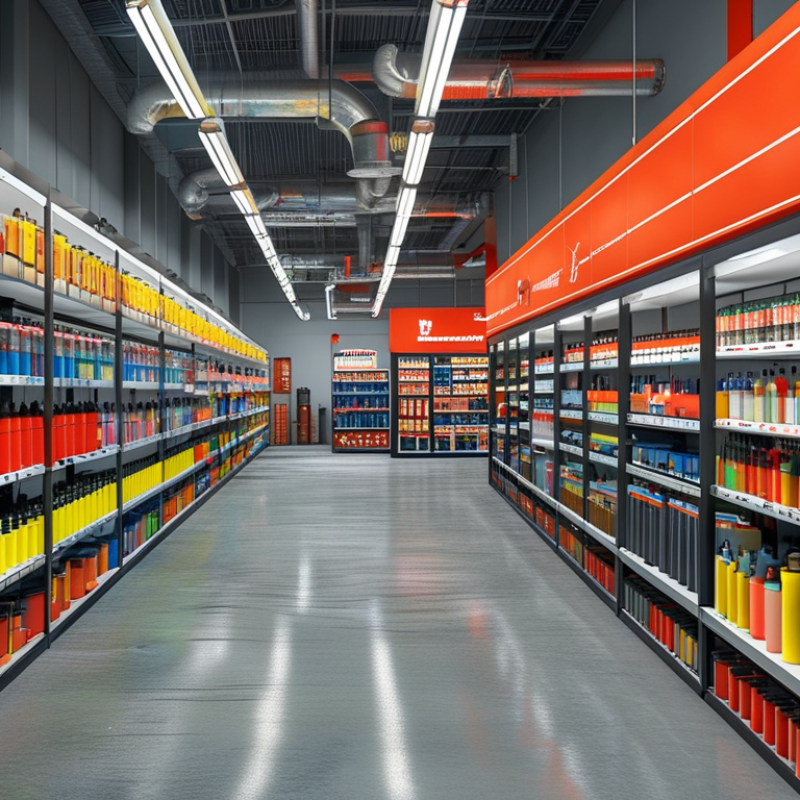
Spray booth paint filters play a crucial role in maintaining a clean environment. They capture harmful particles, ensuring that paint application is smooth and effective. A high-quality filter prevents dust and debris from ruining the finish. Without these filters, air quality deteriorates and health risks increase.
Choosing the right filter is essential. Consider different types available in the market. Some are designed for specific applications, while others offer general purpose utility. It's vital to understand how these filters work in your setup. Regular maintenance enhances their functionality. This involves checking for clogs and timely replacements.
Tips: Always compare specifications before buying. Not all filters fit every booth. A wrong choice can lead to inefficiency. Consider consulting with experts in the field. They provide insights you might overlook. Remember, investing in the right filter today pays off in quality later.
When selecting spray booth paint filters, it's essential to understand the types available. Particulate filters are common, designed to trap dust and paint overspray. A study by the Paint and Coatings Industry reported that about 70% of paint booth failures relate to inadequate filtration, emphasizing the need for quality filters.
Carbon filters play a vital role as well. They absorb solvents and volatile organic compounds (VOCs), contributing to a safer workspace. Research indicates these filters can reduce VOC emissions by up to 95%. However, they require regular maintenance and replacement to remain effective. Neglecting this can lead to reduced air quality and increased contamination risks.
Electrostatic filters are another option. They utilize static electricity to capture particles, enhancing efficiency. Yet, users must ensure compatibility with their systems. Mismatched filters can impede airflow and affect painting results. Always consider the specific demands of your spray booth. Each filter type presents its own strengths and challenges. Making informed choices can significantly impact booth performance and finish quality.
When selecting spray booth paint filters, several critical factors demand attention. The filter’s efficiency is paramount. According to industry reports, a high-efficiency filter can capture over 98% of airborne particles. This ensures cleaner air and better paint finishes. However, not all filters are created equal. It’s essential to consider the type of filter media, as this affects both airflow and filtration capability.
The size and dimensions of filters should align with your spray booth specifications. A mismatch can lead to ineffective filtration and increased costs. Many manufacturers recommend replacing filters every two weeks. Yet, this interval can change based on booth use and environmental conditions. Thus, regular monitoring is vital to maintain optimal performance.
Cost is another significant factor. Investing in quality filters may incur higher upfront costs. However, the long-term savings in material usage and improved spray quality often justify this expense. Remember that cheaper options might seem attractive but can result in greater issues down the line. Proper research and understanding of your specific needs will help ensure that you make an informed purchase.
| Filter Type | Efficiency Rating (%) | Application | Lifespan (hrs) | Price Range (USD) |
|---|---|---|---|---|
| HEPA Filter | 99.97 | Industrial, Automotive | 2000 | $150 - $250 |
| Carbon Filter | 90.00 | Odor Control | 1000 | $75 - $150 |
| Pre-filter | 80.00 | General Use | 500 | $30 - $80 |
| Electrostatic Filter | 95.00 | High-efficiency | 1500 | $100 - $200 |
| Fiberglass Filter | 30.00 | Basic Use | 300 | $10 - $30 |
When choosing a spray booth paint filter, various factors come into play. Different brands offer unique features that cater to specific needs. Some filters excel in trapping overspray particles effectively. Others focus on maintaining airflow while minimizing filter changes. Knowing these distinctions helps buyers make informed decisions.
For instance, high-efficiency filters can capture fine particles. They are essential in environments where cleanliness is crucial. Additionally, some filters incorporate advanced technology. These improvements enhance durability and performance, catering to both industrial and auto body applications. Buyers should consider the filter's lifespan; longer-lasting filters can reduce overall costs.
Many brands have carved out a reputation in the market. Their offerings often reflect industry needs and trends. However, not all products live up to expectations. It's vital for buyers to research reviews and user experiences. Sometimes, a filter may not perform as promised. Investigating these aspects ensures a reliable purchase for optimal booth performance.
Maintaining spray booth paint filters is crucial for optimal performance. Regular inspection can enhance their lifespan significantly. Research indicates that well-maintained filters can improve air quality by at least 30%. This is vital in industries where a clean environment is paramount.
Change your filters according to your usage rate. Using high-quality filters can prevent unwanted particles from contaminating paint. Industry data shows that neglecting filter maintenance can lead to a reduction in booth efficiency by up to 25%. Look for signs of discoloration or buildup—these indicate the need for replacement.
Cleaning the booth regularly helps in maintaining filter effectiveness. Daily dusting can minimize buildup on filters, aiding their function. It’s essential to train staff on proper maintenance practices. Even small oversights can lead to larger issues, impacting overall production quality. Consider establishing a tracking system for filter usage and performance.
: They capture harmful particles, ensuring smooth paint application and better air quality.
Efficiency, size, type of media, and your specific setup are crucial factors.
Many recommend replacements every two weeks, but it varies based on usage and conditions.
Yes, improper filters can lead to inefficiency and increased costs.
Regular inspection and cleaning, along with timely replacements, improve filter lifespan.
Yes, they may cost more upfront, but they save money in the long run.
It can reduce efficiency by up to 25% and affect overall production quality.
Discoloration and buildup on filters usually mean it’s time for a change.
Yes, proper training can prevent small issues from becoming larger problems later.
Consider establishing a system to monitor filter performance and replacements.
The "2026 Top Spray Booth Paint Filter Buying Guide for Global Buyers" provides a comprehensive resource for those looking to understand the essential aspects of spray booth paint filters. It emphasizes the importance and functionality of these filters, detailing how they play a critical role in maintaining air quality and ensuring optimal painting results in spray booths. The guide explores various types of spray booth paint filters, highlighting their unique characteristics and applications.
Moreover, it outlines key factors to consider when purchasing spray booth paint filters, such as filter material, efficiency ratings, and compatibility with specific spray booth systems. Additionally, readers are introduced to top brands in the market, along with their distinctive features. To enhance the longevity and effectiveness of spray booth paint filters, the article concludes with valuable maintenance tips, ensuring that users can achieve optimal performance from their spray booth equipment.

LJF Air FILTER